Introduction
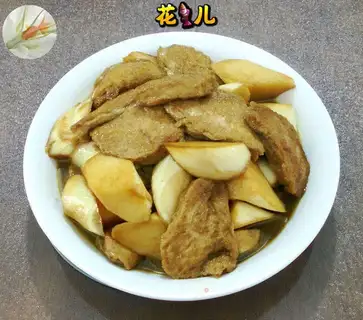
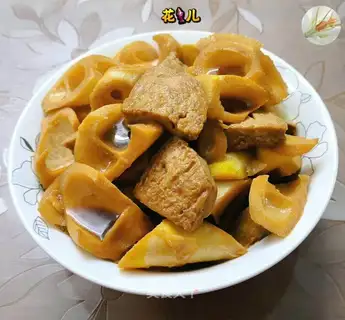
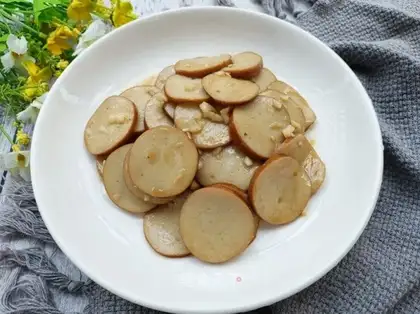
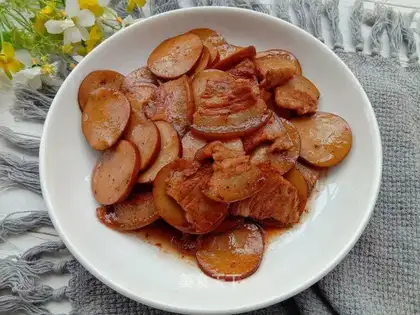
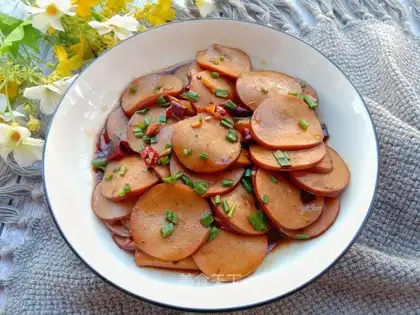
Tofu skin, commonly known as "素鸡" (sù jī) in Chinese, is a versatile and nutrient-dense ingredient derived from soybeans. Created by boiling soy milk and skimming the thin film that forms on the surface, it is dried, pressed, and often shaped into rolls, sticks, or sheets. With a history rooted in Chinese and East Asian cuisine, tofu skin has long been valued for its meaty texture and ability to absorb flavors, making it a staple in vegetarian, vegan, and traditional diets. Beyond its culinary appeal, tofu skin is a nutritional powerhouse, offering a rich profile of plant-based proteins, vitamins, minerals, and bioactive compounds. This article explores its nutritional value, health benefits, potential precautions, and practical tips for incorporation into a balanced diet.
Nutritional Value of Tofu Skin
Tofu skin is a concentrated source of nutrients, earning it the nickname "soybean parchment" for its dense composition. A 100-gram serving of plain, dried tofu skin typically contains:
1. High-Quality Plant Protein
Tofu skin is one of the richest plant-based protein sources, providing approximately 45–55 grams of protein per 100 grams—comparable to animal products like chicken or beef. Unlike some plant proteins, it contains all nine essential amino acids (lysine, methionine, threonine, etc.), making it a "complete protein" crucial for muscle repair, enzyme synthesis, and immune function. This makes it particularly valuable for vegetarians, vegans, and individuals seeking to reduce meat consumption.
2. Healthy Fats
The fat content in tofu skin is moderate (around 10–15 grams per 100 grams) but predominantly composed of unsaturated fats, including polyunsaturated fatty acids (PUFAs) like omega-3 and omega-6. These fats support heart health by lowering LDL ("bad") cholesterol and reducing inflammation. Additionally, tofu skin contains lecithin, a compound that aids in fat metabolism and brain health.
3. Essential Vitamins
Tofu skin is a good source of B vitamins, which play key roles in energy metabolism and nervous system function. Notably, it provides:
- Vitamin B2 (riboflavin): Important for cellular respiration and skin health.
- Vitamin B3 (niacin): Supports digestive function and skin integrity.
- Vitamin B12: While naturally present in small amounts, some commercially fortified tofu skin products are enriched with B12, a critical nutrient often lacking in plant-based diets.
It also contains trace amounts of fat-soluble vitamins like vitamin E, an antioxidant that protects cells from oxidative damage.
4. Minerals
Tofu skin is packed with essential minerals, including:
- Iron: A 100-gram serving provides ~15 mg of iron, or ~80% of the daily recommended intake for adults. Iron is vital for oxygen transport in the blood and preventing anemia.
- Calcium: With ~100 mg per 100 grams, tofu skin contributes to bone and teeth health, though it is less calcium-rich than processed tofu or fortified plant milks.
- Magnesium: Supports muscle function, blood pressure regulation, and over 300 enzymatic reactions in the body.
- Zinc: Essential for immune function, wound healing, and DNA synthesis.
- Selenium: A powerful antioxidant that protects against oxidative stress and supports thyroid health.
5. Dietary Fiber and Bioactive Compounds
Tofu skin contains moderate fiber (5–10 grams per 100 grams), which promotes digestive health, regulates blood sugar, and enhances satiety. It also isoflavones—phytochemicals with estrogen-like properties—such as genistein and daidzein. These compounds have been linked to reduced risk of chronic diseases, including heart disease, osteoporosis, and certain cancers.
Health Benefits of Tofu Skin
The nutrient density of tofu skin translates to a range of health benefits, supported by both traditional use and modern scientific research.
1. Supports Muscle Maintenance and Growth
As a complete protein source, tofu skin is ideal for muscle repair and growth. Its high leucine content—an amino acid that stimulates muscle protein synthesis—makes it particularly beneficial for athletes, older adults (to combat sarcopenia), and individuals recovering from illness.
2. Promotes Heart Health
Tofu skin’s low saturated fat content, combined with its unsaturated fats, isoflavones, and fiber, contributes to cardiovascular health. Studies show that soy isoflavones can lower LDL cholesterol, reduce inflammation, and improve blood vessel elasticity, potentially decreasing the risk of hypertension and heart disease.
3. Aids in Weight Management
The protein and fiber in tofu skin enhance satiety, helping to curb overeating and reduce overall calorie intake. A 2019 study in the Journal of Nutrition found that high-protein plant foods like tofu skin promote greater weight loss and fat loss compared to low-protein diets, making it a valuable addition to weight management plans.
4. Regulates Blood Sugar Levels
Tofu skin’s low glycemic index (GI) and high fiber content slow carbohydrate digestion, preventing rapid spikes in blood sugar. This is particularly beneficial for individuals with type 2 diabetes or prediabetes. Research indicates that soy protein may improve insulin sensitivity, further supporting blood sugar control.
5. Strengthens Bones
While tofu skin is not as calcium-rich as dairy products, its combination of calcium, magnesium, and isoflavones supports bone density. Isoflavones have been shown to reduce bone resorption (breakdown) and increase mineralization, potentially lowering the risk of osteoporosis, especially in postmenopausal women.
6. Boosts Immune Function
The zinc and selenium in tofu skin are critical for immune cell development and activity. Zinc deficiency, for example, impairs T-cell function, increasing susceptibility to infections. Regular consumption of tofu skin can help maintain optimal levels of these minerals, supporting a robust immune response.
7. Antioxidant and Anti-Aging Properties
Tofu skin’s isoflavones and vitamin E act as antioxidants, neutralizing free radicals that cause cellular damage and aging. By reducing oxidative stress, these compounds may lower the risk of chronic diseases like cancer and neurodegenerative disorders (e.g., Alzheimer’s).
Precautions and Potential Side Effects
While tofu skin is a nutritious food, certain precautions should be considered to maximize its benefits and minimize risks.
1. Soy Allergies
Soy is one of the eight major allergens, and individuals with soy allergies should strictly avoid tofu skin. Allergic reactions can range from mild (hives, itching) to severe (anaphylaxis), so those with known allergies must read product labels carefully.
2. Phytoestrogen Sensitivity
Tofu skin’s isoflavones have weak estrogenic effects, which may raise concerns for individuals with hormone-sensitive conditions, such as breast, uterine, or ovarian cancer. While most studies suggest soy consumption is safe for healthy individuals, those with hormone-related cancers should consult their healthcare provider before including tofu skin in their diet.
3. Sodium Content in Processed Varieties
Commercially available tofu skin products (e.g., flavored rolls or fried sticks) are often high in sodium due to added salt, soy sauce, or preservatives. Excessive sodium intake can contribute to high blood pressure and cardiovascular issues. Opt for plain, unseasoned tofu skin and limit processed varieties to minimize sodium intake.
4. Oxalates and Kidney Stones
Tofu skin contains oxalates, compounds that can bind to calcium and form kidney stones in susceptible individuals. Those with a history of kidney stones should consume tofu skin in moderation and ensure adequate hydration to reduce oxalate absorption.
5. Medication Interactions
Soy isoflavones may interact with certain medications, including:
- Thyroid medications: Isoflavones can interfere with thyroid hormone absorption, so individuals taking levothyroxine should separate tofu skin consumption from medication by at least 4 hours.
- Blood thinners: Soy may enhance the effects of anticoagulants like warfarin, increasing the risk of bleeding. Medical supervision is advised for those on such medications.
Practical Tips for Incorporating Tofu Skin into the Diet
Tofu skin’s versatility makes it easy to include in a variety of dishes. Here are some practical ideas:
1. Soaking and Preparation
Dried tofu skin must be rehydrated before use. Soak it in warm water for 15–20 minutes until soft, then drain and squeeze out excess water. For a chewier texture, blanch it briefly in boiling water.
2. Culinary Uses
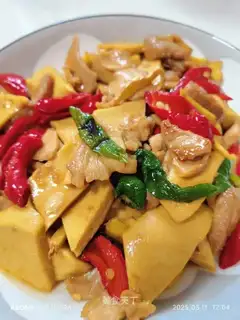
- Stir-fries: Thinly sliced tofu skin absorbs sauces beautifully, making it ideal for vegetable or tofu stir-fries.
- Soups and Stews: Add torn tofu skin to miso soup, pho, or hot pot for added protein and texture.
- Rolls and Wraps: Soaked tofu skin can be used as a wrap for fillings like rice, vegetables, or mushrooms (e.g., "Yuba rolls").
- Desserts: In East Asian cuisine, tofu skin is used to make sweet "tofu skin pudding" or stuffed with red bean paste for a nutritious treat.
3. Flavor Pairings
Tofu skin pairs well with soy sauce, ginger, garlic, sesame oil, and spicy seasonings. For a Western twist, marinate it in herbs like rosemary or thyme before grilling or baking.
Conclusion
Tofu skin is a nutrient-rich ingredient that offers a wide range of health benefits, from supporting muscle growth and heart health to regulating blood sugar and boosting immunity. Its high protein content, healthy fats, and bioactive compounds make it a valuable addition to both vegetarian and omnivorous diets. However, individuals with soy allergies, hormone-sensitive conditions, or kidney issues should consume it with caution, and processed varieties should be limited due to their high sodium content. By incorporating tofu skin into balanced meals, individuals can enjoy its culinary versatility while reaping its nutritional rewards, making it a true superfood from the soybean.