Introduction
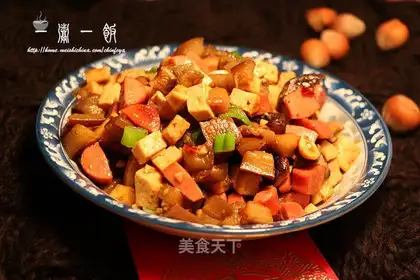
White dried tofu, often referred to as "bai gan" in Chinese cuisine, is a versatile and nutrient-dense food made from soybeans through a process of soaking, grinding, boiling, coagulation, and pressing. With its firm texture, mild flavor, and ability to absorb seasonings, it has been a staple in Asian diets for centuries, valued not only for its culinary flexibility but also for its impressive nutritional profile. As plant-based diets gain global popularity, white dried tofu has emerged as a favorite among health enthusiasts, athletes, and vegetarians alike. This article explores the nutritional value of white dried tofu, its health benefits, and important precautions to consider when incorporating it into a balanced diet.
Nutritional Value of White Dried Tofu
White dried tofu is a nutritional powerhouse, packed with high-quality protein, essential vitamins, minerals, and bioactive compounds. Its nutritional composition makes it an excellent alternative to animal-based products, particularly for those seeking to reduce meat consumption.
1. High-Quality Plant Protein
Tofu is derived from soybeans, which are one of the few plant-based sources of complete protein. Complete proteins contain all nine essential amino acids that the human body cannot synthesize on its own. White dried tofu, in particular, has a higher protein concentration than fresh tofu due to its low moisture content. A 100-gram serving of white dried tofu typically provides 16–20 grams of protein, making it an ideal food for muscle repair, growth, and overall body function. For comparison, this is roughly equivalent to the protein content in 100 grams of chicken breast or three large eggs.
2. Essential Amino Acids
The amino acid profile of white dried tofu is well-balanced, with high levels of lysine, methionine, and leucine. Lysine is crucial for calcium absorption and collagen formation, while methionine supports detoxification processes and leucine plays a key role in regulating muscle protein synthesis. This makes dried tofu particularly beneficial for athletes, older adults (to combat sarcopenia), and individuals recovering from illness.
3. Vitamins and Minerals
White dried tofu is rich in several micronutrients that are often lacking in Western diets:
- Calcium: A 100-gram serving contains approximately 138–350 milligrams of calcium, depending on the coagulant used (calcium sulfate is commonly added, boosting calcium levels). This makes it a valuable food for bone health, especially for those who are lactose intolerant or follow a vegan diet.
- Iron: Dried tofu provides 2–3 milligrams of iron per 100 grams, which is important for preventing anemia. The iron in tofu is non-heme iron, but its absorption can be enhanced by consuming it with vitamin C-rich foods (e.g., bell peppers or broccoli).
- Magnesium: With around 60–80 milligrams per 100 grams, magnesium supports muscle function, nerve transmission, and blood sugar regulation.
- B Vitamins: It contains moderate amounts of B vitamins, including riboflavin (B2), niacin (B3), and folate (B9), which are essential for energy metabolism and cell health.
- Zinc and Selenium: These trace minerals support immune function and act as antioxidants. Selenium, in particular, is important for thyroid health and may reduce the risk of certain cancers.
4. Low in Calories and Fat
White dried tofu is relatively low in calories, with approximately 100–150 calories per 100 grams, making it suitable for weight management. While it contains fat (mostly heart-healthy unsaturated fats), the fat content is significantly lower than that of animal proteins like beef or pork. Additionally, tofu is free of cholesterol, which helps maintain cardiovascular health.
5. Bioactive Compounds
Soybeans, the primary ingredient in dried tofu, contain isoflavones—phytochemicals with antioxidant, anti-inflammatory, and estrogen-like properties. The two main isoflavones in tofu are genistein and daidzein, which have been linked to reduced risk of chronic diseases, including breast cancer, osteoporosis, and cardiovascular disease. Fermented varieties of dried tofu may also contain probiotics, which support gut health.
Health Benefits of White Dried Tofu
The unique nutritional composition of white dried tofu translates to a wide range of health benefits, making it a valuable addition to a balanced diet.
1. Supports Muscle Maintenance and Growth
Due to its high protein content and optimal amino acid profile, white dried tofu is an excellent food for preserving muscle mass, particularly in older adults and vegetarians. Studies have shown that plant-based proteins like tofu can be as effective as animal proteins in stimulating muscle protein synthesis when consumed in adequate amounts.
2. Promotes Bone Health
The calcium, magnesium, and vitamin K (in some fortified varieties) in white dried tofu contribute to strong bones and teeth. Calcium is the primary mineral in bone structure, while magnesium aids in calcium absorption and bone mineralization. Regular consumption of tofu may reduce the risk of osteoporosis, especially in postmenopausal women who are at higher risk of bone loss.
3. Reduces Risk of Cardiovascular Disease
White dried tofu is beneficial for heart health in several ways:
- Lowers Cholesterol: Soy protein has been shown to reduce levels of LDL (bad) cholesterol and triglycerides while increasing HDL (good) cholesterol. The FDA even approved a health claim in 1999 stating that "25 grams of soy protein per day, as part of a diet low in saturated fat and cholesterol, may reduce the risk of heart disease."
- Reduces Blood Pressure: The isoflavones in tofu have mild antihypertensive effects, helping to relax blood vessels and improve blood flow.
- Contains Healthy Fats: The unsaturated fats in tofu, including omega-3 and omega-6 fatty acids, support heart health by reducing inflammation.
4. Aids in Weight Management
White dried tofu is low in calories but high in protein and fiber, which promote satiety and reduce overall calorie intake. Protein takes longer to digest than carbohydrates, helping to curb hunger and prevent overeating. Additionally, the fiber in tofu supports digestive health and regulates blood sugar levels, reducing the risk of cravings and overeating.
5. Regulates Blood Sugar Levels
The protein and fiber in white dried tofu help slow down the absorption of sugar in the bloodstream, preventing spikes in blood glucose levels. This makes it a particularly beneficial food for individuals with diabetes or those at risk of developing the condition. Some studies have also suggested that soy isoflavones may improve insulin sensitivity, further enhancing blood sugar control.
6. Supports Immune Function
The zinc, selenium, and vitamin C (if consumed with other foods) in white dried tofu play a key role in immune function. Zinc is essential for the development and function of immune cells, while selenium acts as an antioxidant, protecting cells from damage caused by free radicals. Additionally, the probiotics in fermented dried tofu may enhance gut health, which is closely linked to immune function.
7. May Reduce Risk of Certain Cancers
Soy isoflavones, particularly genistein, have been studied for their potential anti-cancer properties. Research suggests that these compounds may inhibit the growth of cancer cells, reduce inflammation, and prevent the formation of tumors. For example, studies have linked regular soy consumption to a lower risk of breast, prostate, and colon cancers. However, it is important to note that the evidence is still emerging, and more research is needed to fully understand the relationship between soy and cancer prevention.
Precautions and Considerations
While white dried tofu is a highly nutritious food, there are several precautions to keep in mind to maximize its benefits and minimize potential risks.
1. Soy Allergies
Soy is one of the eight major allergens, and individuals with soy allergies should avoid white dried tofu and other soy products. Symptoms of a soy allergy can range from mild (hives, itching) to severe (anaphylaxis), so it is important to read food labels carefully and consult a healthcare professional if you suspect a soy allergy.
2. Moderation for Thyroid Conditions
Soy contains goitrogens—compounds that can interfere with thyroid function by inhibiting the uptake of iodine. While moderate consumption of tofu is generally safe for most people, those with hypothyroidism or other thyroid conditions should consult their doctor before increasing their intake. Cooking tofu can reduce its goitrogenic effects, so it is best to consume it cooked rather than raw.
3. Phytoestrogens and Hormonal Sensitivity
Soy isoflavones have weak estrogen-like effects, which has raised concerns about their impact on hormone-sensitive conditions such as breast cancer, endometriosis, and uterine fibroids. While most studies suggest that moderate soy consumption is safe for individuals with these conditions, those with a history of hormone-sensitive cancers should limit their intake and consult their healthcare provider.
4. Sodium Content in Processed Varieties
Some commercially available white dried tofu products, especially flavored or marinated varieties, may be high in sodium due to the addition of salt, soy sauce, or other seasonings. Excessive sodium intake can increase blood pressure and raise the risk of cardiovascular disease. To minimize sodium intake, opt for plain, unflavored dried tofu and limit the use of high-sodium seasonings when preparing it.
5. Quality and Additives
When purchasing white dried tofu, choose products made from non-GMO soybeans and minimal additives. Some manufacturers may use artificial preservatives, coloring agents, or hydrogenated fats, which can negate the health benefits of tofu. Reading ingredient labels carefully and choosing organic or locally sourced varieties can help ensure quality.
6. Balanced Diet
While white dried tofu is nutritious, it should be consumed as part of a balanced diet that includes a variety of fruits, vegetables, whole grains, and other protein sources. Over-reliance on any single food can lead to nutrient imbalances, so it is important to diversify your diet to meet all nutritional needs.
Conclusion
White dried tofu is a nutrient-dense, versatile, and affordable food that offers numerous health benefits, from supporting muscle growth and bone health to reducing the risk of chronic diseases. Its high protein content, low calorie count, and rich profile of vitamins, minerals, and bioactive compounds make it an excellent choice for people of all ages, including vegetarians, vegans, and athletes. However, it is important to consume it in moderation and take precautions if you have specific health conditions, such as soy allergies or thyroid issues. By incorporating white dried tofu into a balanced diet and choosing high-quality products, you can enjoy its many health benefits while minimizing potential risks. As research continues to uncover the potential of plant-based foods, white dried tofu is likely to remain a cornerstone of healthy eating around the world.