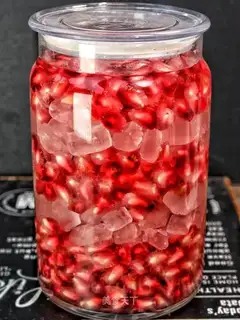
The pomegranate, often dubbed the "superfruit" or "jewel of the season," has captivated humanity for millennia with its ruby-red arils, sweet-tart flavor, and remarkable health properties. Native to the Middle East and cultivated across the Mediterranean, Asia, and the Americas, this ancient fruit holds a revered place in mythology, religion, and traditional medicine. Today, modern science is unraveling the secrets behind its potent nutritional profile, confirming what ancient civilizations intuitively knew: the pomegranate is far more than a delicious treat—it is a nutritional powerhouse with wide-ranging health benefits. However, like any food, it must be consumed mindfully. This article explores the nutritional value of pomegranates, their scientifically supported health benefits, and important precautions to consider when incorporating them into your diet.
I. Nutritional Profile: Why Pomegranates Are a Superfruit
The pomegranate’s nutritional value lies in its unique combination of vitamins, minerals, antioxidants, and bioactive compounds. A 100-gram serving of arils (the juicy seeds) provides approximately:
- Calories: 83 kcal, making it a low-calorie, nutrient-dense option.
- Fiber: 4 grams, including both soluble and insoluble fiber, which supports digestive health.
- Vitamin C: 10 mg (17% of the Daily Value, DV), a potent antioxidant vital for immune function, skin health, and collagen synthesis.
- Vitamin K: 16 mcg (13% DV), essential for blood clotting and bone metabolism.
- Folate: 5% DV, important for cell division and DNA synthesis.
- Potassium: 236 mg (5% DV), which helps regulate blood pressure and fluid balance.
However, the pomegranate’s true star power comes from its polyphenol antioxidants, particularly punicalagins, anthocyanins, and ellagic acid. These compounds, concentrated in the arils, juice, and peel, are responsible for many of its health benefits. Punicalagins, the most abundant polyphenols in pomegranate juice, have been shown to have antioxidant activity two to three times higher than red wine or green tea. Anthocyanins, which give the arils their vibrant red color, combat oxidative stress and inflammation, while ellagic acid supports detoxification pathways.
II. Health Benefits: Backed by Science
Research on pomegranates has exploded in recent decades, with studies highlighting their potential to prevent and manage chronic diseases. Here are some of the most well-documented health benefits:
1. Cardiovascular Health: Protecting the Heart and Blood Vessels
Heart disease remains the leading cause of global mortality, but pomegranates may offer significant protection. The fruit’s antioxidants improve cardiovascular health by:
- Reducing Oxidative Stress: Punicalagins neutralize free radicals that damage LDL ("bad") cholesterol, preventing it from oxidizing and forming arterial plaques—a key step in atherosclerosis.
- Lowering Blood Pressure: Studies show that daily pomegranate juice consumption (100–250 mL) can reduce systolic blood pressure by 5–12% in hypertensive individuals, thanks to its ability to increase nitric oxide production, which relaxes blood vessels.
- Improving Cholesterol Profiles: Pomegranate juice lowers LDL cholesterol while increasing HDL ("good") cholesterol, and reduces triglycerides, creating a more favorable lipid profile.
A 2017 meta-analysis in Phytotherapy Research confirmed that pomegranate supplementation significantly improves multiple markers of cardiovascular health, making it a valuable dietary addition for heart disease prevention.
2. Anti-Inflammatory and Anticancer Properties
Chronic inflammation is a root cause of many diseases, including cancer, diabetes, and arthritis. Pomegranates combat inflammation by inhibiting pro-inflammatory enzymes like COX-2 and TNF-alpha. Their high antioxidant content also protects cells from DNA damage, reducing cancer risk.
Studies suggest pomegranate extracts may slow the growth of prostate, breast, and colon cancer cells. For example, a 2020 study in Nutrients found that punicalagins suppress the proliferation of breast cancer cells by inducing apoptosis (programmed cell death). Similarly, research on prostate cancer patients showed that pomegranate juice slowed PSA (prostate-specific antigen) progression, delaying the need for chemotherapy.
3. Brain Health and Cognitive Function
As we age, oxidative stress and inflammation can impair brain function, increasing the risk of neurodegenerative diseases like Alzheimer’s. Pomegranates’ antioxidants cross the blood-brain barrier, protecting neurons from damage. Animal studies have shown that pomegranate juice improves memory and reduces amyloid-beta plaque buildup (a hallmark of Alzheimer’s) in the brain. A 2014 human trial in Evidence-Based Complementary and Alternative Medicine found that older adults who drank pomegranate juice daily performed better on memory tasks and had increased blood flow to the brain.
4. Digestive Health and Gut Microbiome
The fiber in pomegranate arils promotes regularity and prevents constipation. Additionally, polyphenols like ellagic acid act as prebiotics, feeding beneficial gut bacteria (e.g., Bifidobacterium and Lactobacillus) while inhibiting harmful pathogens. A healthy gut microbiome is linked to improved immunity, reduced inflammation, and even better mood regulation.
5. Skin and Anti-Aging Benefits
Pomegranates are a boon for skin health, thanks to their high vitamin C and antioxidant content. Vitamin C boosts collagen production, keeping skin firm and elastic, while antioxidants protect against UV damage and pollution-induced aging. Studies show that topical pomegranate extract reduces wrinkles, improves skin texture, and accelerates wound healing. Drinking pomegranate juice may also enhance skin hydration and reduce inflammation in conditions like eczema.
6. Diabetes Management
Pomegranates may help regulate blood sugar levels, making them beneficial for people with type 2 diabetes. Their antioxidants improve insulin sensitivity and reduce insulin resistance. A 2013 study in Nutrition Research found that diabetic patients who drank pomegranate juice daily had lower fasting blood glucose and HbA1c (a long-term blood sugar marker) levels. However, due to their natural sugar content, portion control is key.
III. Precautions and Potential Side Effects
While pomegranates are safe for most people, certain precautions should be taken:
1. Drug Interactions
Pomegranates can interact with medications, particularly those metabolized by the liver enzyme CYP3A4. This enzyme breaks down many drugs, including:
- Blood Pressure Medications: Pomegranate’s blood pressure-lowering effects may enhance the effects of drugs like ACE inhibitors or beta-blockers, causing hypotension (low blood pressure).
- Statins: The fruit may increase statin levels in the blood, raising the risk of muscle pain or liver damage.
- Blood Thinners: Pomegranates have mild anticoagulant properties, so combining them with drugs like warfarin or aspirin may increase bleeding risk.
If you take any medications, consult your doctor before consuming large amounts of pomegranate or its juice.
2. Allergic Reactions
While rare, some people may be allergic to pomegranates, experiencing symptoms like hives, itching, or swelling. Those allergic to other fruits (e.g., kiwi or nuts) should be cautious.
3. Sugar Content and Diabetes
Pomegranate arils and juice contain natural sugars (about 12–14 grams per 100 mL), so individuals with diabetes should consume them in moderation. Opt for whole arils over juice to avoid the concentrated sugar and lack of fiber.
4. Dental Health
The high acidity of pomegranate juice can erode tooth enamel over time. To minimize this, drink juice through a straw and rinse your mouth with water afterward.
5. Digestive Discomfort
The fiber in pomegranate arils may cause bloating or diarrhea in sensitive individuals, especially when consumed in large quantities. Start with small portions to assess tolerance.
IV. How to Incorporate Pomegranates Into Your Diet
Pomegranates are versatile and can be enjoyed in many forms:
- Fresh Arils: Sprinkle them on salads, yogurt, oatmeal, or desserts for a burst of flavor and crunch.
- Juice: Choose 100% pure pomegranate juice (not blends with added sugar) and limit intake to 1–2 cups daily.
- Seeds: Dry the seeds and use them as a topping for smoothie bowls or baked goods.
- Extracts and Supplements: Pomegranate extract capsules or powders are available for those who dislike the fruit, but consult a doctor before use.
Conclusion
From its ancient roots in traditional medicine to its modern status as a superfood, the pomegranate continues to impress with its exceptional nutritional and therapeutic properties. Rich in antioxidants, fiber, and essential vitamins, it supports heart health, reduces inflammation, protects the brain, and even fights aging. However, like all foods, it should be consumed as part of a balanced diet, with attention to potential drug interactions and sugar content. Whether enjoyed fresh as arils or sipped as juice, the pomegranate is a delicious and powerful addition to a healthy lifestyle—a true jewel of nature that nourishes the body and delights the senses.