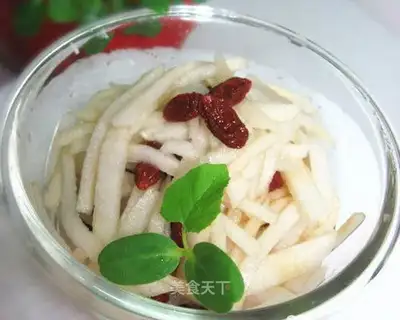
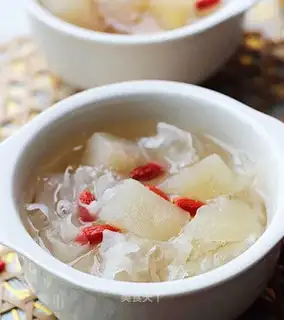
In the world of fruits, few embody the perfect harmony of crisp texture, delicate sweetness, and refreshing juiciness quite like the Jinfeng pear (Pyrus ussuriensis var. culta ‘Jinfeng’). Cultivated primarily in the fertile regions of northern China, this golden-hued pear has long been celebrated not only for its culinary versatility but also for its remarkable nutritional profile and therapeutic properties. As a seasonal staple that bridges the gap between summer’s abundance and autumn’s harvest, Jinfeng pears offer a wealth of health benefits—from boosting hydration to supporting immune function. However, like all foods, they must be consumed mindfully to maximize their advantages while avoiding potential risks. This article explores the nutritional value, health benefits, and key precautions associated with Jinfeng pairs, providing a comprehensive guide to incorporating this “golden treasure” into a balanced diet.
I. Nutritional Value of Jinfeng Pears
Jinfeng pears are a nutritional powerhouse, packed with essential vitamins, minerals, dietary fiber, and antioxidants that contribute to overall health. A medium-sized Jinfeng pear (approximately 178 grams) contains approximately 100 calories, making it a low-calorie yet nutrient-dense choice for health-conscious individuals.
1. Rich in Vitamins
Vitamins are critical for maintaining bodily functions, and Jinfeng pears are an excellent source of several key varieties:
- Vitamin C: A medium Jinfeng pear provides about 7-10 milligrams of vitamin C, roughly 11% of the recommended daily intake (RDI). This potent antioxidant plays a vital role in immune function, skin health, and collagen synthesis, helping the body fight off infections and repair tissues.
- Vitamin K: With around 5-6 micrograms per serving, Jinfeng pears contribute to blood clotting and bone metabolism. Vitamin K activates proteins that regulate calcium deposition in bones, reducing the risk of osteoporosis.
- Vitamin B6: Present in small but significant amounts, vitamin B6 is essential for brain development, neurotransmitter production, and metabolism of proteins and carbohydrates.
2. Essential Minerals
Jinfeng pears are a good source of minerals that support vital physiological processes:
- Potassium: A medium pear contains about 180 milligrams of potassium, an electrolyte that helps regulate fluid balance, nerve signals, and muscle contractions. Potassium also counteracts the effects of sodium, lowering blood pressure and reducing the risk of cardiovascular disease.
- Copper: Though required in trace amounts, copper is crucial for iron absorption, red blood cell formation, and antioxidant defense. Jinfeng pears provide a modest amount of this mineral, contributing to overall metabolic health.
3. Dietary Fiber
Fiber is a standout nutrient in Jinfeng pears, with a medium pear offering about 6 grams—24% of the RDI. This includes both soluble and insoluble fiber, which work synergistically to promote digestive health. Soluble fiber forms a gel-like substance in the gut, slowing digestion and stabilizing blood sugar levels, while insoluble fiber adds bulk to stool, preventing constipation and maintaining regular bowel movements.
4. Antioxidants and Phytochemicals
Jinfeng pears are rich in antioxidants, including flavonoids (such as quercetin and catechins) and phenolic acids, which neutralize harmful free radicals. Free radicals, generated by factors like pollution, UV radiation, and stress, can cause oxidative stress, leading to chronic diseases like cancer, diabetes, and heart disease. The antioxidants in Jinfeng pairs help mitigate this damage, protecting cells and tissues from premature aging.
II. Health Benefits of Jinfeng Pears
The unique combination of nutrients in Jinfeng pears translates to a wide range of health benefits, making them a valuable addition to a balanced diet.
1. Hydration and Detoxification
With about 84% water content, Jinfeng pears are a natural hydrating food, especially beneficial during hot weather or after exercise. Proper hydration is essential for maintaining body temperature, lubricating joints, and transporting nutrients and oxygen to cells. Additionally, the high water and fiber content in Jinfeng pears supports kidney function by flushing out toxins and waste products through urine, reducing the risk of urinary tract infections and kidney stones.
2. Digestive Health
Jinfeng pears are often referred to as a “natural laxative” due to their high fiber and water content. Insoluble fiber adds bulk to stool, promoting regularity and preventing constipation, while soluble fiber feeds beneficial gut bacteria, fostering a healthy microbiome. A healthy gut microbiome is linked to improved immunity, better mood regulation, and reduced inflammation. Moreover, the pectin in Jinfeng pears (a type of soluble fiber) can soothe the digestive tract, making them particularly helpful for individuals with gastritis or acid reflux when consumed in moderation.
3. Immune System Support
The vitamin C and antioxidants in Jinfeng pears play a key role in strengthening the immune system. Vitamin C stimulates the production and function of white blood cells, which are the body’s primary defense against pathogens. Antioxidants like quercetin have anti-inflammatory properties, reducing chronic inflammation that can weaken immune responses. Regular consumption of Jinfeng pears may help reduce the severity and duration of colds and other common infections.
4. Weight Management
For those looking to maintain or lose weight, Jinfeng pears are an ideal snack. Their low calorie density (high water and fiber content with few calories) creates a feeling of fullness, reducing overall calorie intake. A study published in the Journal of the Academy of Nutrition and Dietetics found that consuming high-fiber fruits like pears before meals helped participants consume fewer calories throughout the day, aiding in weight management.
5. Heart Health
Jinfeng pears support cardiovascular health through multiple mechanisms. The potassium in pairs helps lower blood pressure by balancing sodium levels and relaxing blood vessel walls. Fiber, particularly soluble fiber, reduces levels of LDL (“bad”) cholesterol by binding to it in the digestive system and removing it from the body. Additionally, the antioxidants in Jinfeng pears prevent the oxidation of LDL cholesterol, a key step in the development of atherosclerosis (hardening of the arteries). Regular consumption has been linked to a reduced risk of heart disease and stroke.
6. Blood Sugar Regulation
Despite their natural sweetness, Jinfeng pears have a low glycemic index (GI) of around 38, meaning they cause a gradual rise in blood sugar levels rather than a spike. This is due to their fiber content, which slows the absorption of sugar into the bloodstream. For individuals with diabetes or insulin resistance, Jinfeng pears can be a healthy fruit choice when consumed in moderation as part of a balanced meal.
7. Skin Health
The vitamin C and antioxidants in Jinfeng pears are beneficial for skin health. Vitamin C is essential for collagen production, a protein that gives skin its elasticity and firmness. Antioxidants like quercetin protect the skin from UV damage and pollution, reducing the appearance of wrinkles and promoting a radiant complexion. Additionally, the high water content in Jinfeng pairs helps keep the skin hydrated, preventing dryness and flakiness.
III. Precautions and Potential Side Effects
While Jinfeng pears offer numerous health benefits, certain precautions must be taken to avoid adverse effects, particularly for individuals with specific health conditions.
1. High Sugar Content for Diabetics
Though Jinfeng pears have a low GI, they still contain natural sugars (fructose, glucose, and sucrose). Individuals with diabetes should monitor their portion sizes—limiting consumption to one small pear per meal—and pair them with protein or healthy fats to further minimize blood sugar spikes. Consulting a healthcare provider or registered dietitian is advisable for personalized guidance.
2. Allergic Reactions
While rare, some individuals may be allergic to pears, particularly those with pollen allergies (oral allergy syndrome). Symptoms may include itching or swelling of the mouth, lips, or tongue, hives, or in severe cases, anaphylaxis. Individuals with known pear allergies should avoid consuming Jinfeng pears or seek medical advice before doing so.
3. Digestive Discomfort for Sensitive Individuals
The high fiber content in Jinfeng pears can cause digestive issues such as bloating, gas, or diarrhea in some individuals, especially when consumed in large amounts or on an empty stomach. Those with irritable bowel syndrome (IBS) or other digestive disorders should start with small portions and monitor their body’s response. Cooking or peeling the pears may reduce fiber content and make them easier to digest.
4. Interaction with Medications
Jinfeng pears contain vitamin K, which plays a role in blood clotting. Individuals taking blood-thinning medications (e.g., warfarin) should maintain consistent vitamin K intake to avoid interfering with the medication’s effectiveness. While moderate consumption of Jinfeng pears is unlikely to cause issues, drastic changes in diet should be discussed with a healthcare provider.
5. Pesticide Residues
Like many commercially grown fruits, Jinfeng pears may contain pesticide residues if not properly washed. To minimize exposure, it is recommended to wash pears thoroughly under running water, peel them, or choose organic varieties when possible.
IV. How to Incorporate Jinfeng Pears into Your Diet
Jinfeng pears are versatile and can be enjoyed in numerous ways:
- Fresh: Eat them raw as a snack for a quick burst of hydration and nutrients.
- Salads: Add sliced Jinfeng pears to green salads or fruit salads for a sweet, crunchy twist.
- Smoothies: Blend pears with yogurt, spinach, and ginger for a nutrient-dense smoothie.
- Baked Goods: Use pears in pies, tarts, or muffins for a natural sweetener.
- Soups and Stews: Add pears to savory dishes like pear and ginger soup or roasted pork for a balance of sweet and savory flavors.
- Preserves: Make pear jam or chutney to enjoy the fruit year-round.
Conclusion
Jinfeng pears are more than just a delicious fruit—they are a nutritional powerhouse that supports hydration, digestion, immunity, heart health, and weight management. Their rich content of vitamins, minerals, fiber, and antioxidants makes them a valuable addition to a balanced diet. However, like all foods, they should be consumed mindfully, especially by individuals with diabetes, allergies, or digestive sensitivities. By understanding their nutritional value, health benefits, and precautions, we can fully appreciate Jinfeng pears as a golden treasure of the orchard, nurturing our bodies and delighting our taste buds. Whether enjoyed fresh, baked, or blended, this humble pear is a testament to the power of whole foods in promoting health and well-being.