Introduction
In the vast tapestry of traditional Chinese medicine (TCM) and modern nutrition, certain ingredients stand out for their unique blend of culinary versatility and therapeutic potential. Gastrodia elata, commonly known as tianma (sky mushroom) or “ghost flower,” is one such treasure. For over two millennia, this pinkish, knob-shaped herb has been revered in East Asia for its neuroprotective, anti-inflammatory, and circulatory benefits. Today, as global interest in functional foods grows, tianma is gaining attention beyond traditional medicine circles, praised for its rich nutrient profile and adaptogenic properties. This article explores the nutritional value of tianma, its evidence-based health benefits, and critical precautions to ensure safe consumption.
Part 1: Nutritional Value of Tianma
Tianma is a nutrient-dense ingredient, though its composition differs significantly from common vegetables or staples. While it is low in calories (approximately 30 kcal per 100g), it boasts a unique array of bioactive compounds, vitamins, and minerals that contribute to its health-promoting effects.
Key Bioactive Compounds
The primary medicinal value of tianma lies in its phenolic compounds, particularly gastrodin, which accounts for 70–80% of its total active ingredients. Gastrodin is a phenolic glucoside that crosses the blood-brain barrier, making it a focus of neuroscience research. Other notable compounds include:
- Gastrodioside: A precursor to gastrodin, known for its sedative and antioxidant effects.
- Vanillin: Contributes to tianma’s subtle vanilla-like aroma and acts as an antioxidant.
- Adenosine: A nucleoside that supports cardiovascular health by improving blood flow.
- Polysaccharides: Complex carbohydrates that modulate immune function and gut health.
Vitamins and Minerals
Tianma contains modest amounts of essential nutrients, including:
- B vitamins: Such as riboflavin (B2) and niacin (B3), which play roles in energy metabolism and nervous system function.
- Potassium: A mineral critical for regulating blood pressure and fluid balance.
- Calcium and Magnesium: Essential for bone health and muscle function.
- Iron: Supports oxygen transport in the blood, though in smaller quantities than leafy greens.
Amino Acids
Tianma is a source of essential amino acids, including lysine, leucine, and valine, which are the building blocks of proteins. These amino acids aid in tissue repair, enzyme production, and immune support.
Fiber and Low Glycemic Index
As a source of dietary fiber, tianma promotes digestive health by supporting regular bowel movements and feeding beneficial gut bacteria. Its low glycemic index (GI) also makes it suitable for individuals managing blood sugar levels, as it causes minimal spikes in blood glucose.
Part 2: Health Benefits of Tianma
Tianma’s therapeutic potential is rooted in its ability to modulate multiple physiological systems, from the brain to the cardiovascular system. Modern research, alongside centuries of TCM practice, highlights several key health benefits.
1. Neuroprotective and Cognitive Enhancement
Tianma’s most celebrated benefit is its role in brain health. Gastrodin, its primary active compound, has been extensively studied for its neuroprotective effects:
- Reduces Neuroinflammation: Chronic inflammation is linked to neurodegenerative diseases like Alzheimer’s and Parkinson’s. Gastrodin inhibits pro-inflammatory cytokines (e.g., TNF-α and IL-6), protecting neurons from damage.
- Improves Cognitive Function: Studies show that gastrodin enhances memory and learning by promoting the growth of neurotrophic factors (e.g., BDNF), which support neuron survival and synaptic plasticity. A 2020 Journal of Ethnopharmacology review found that tianma supplementation improved cognitive performance in elderly patients with mild cognitive impairment.
- Alleviates Headaches and Dizziness: In TCM, tianma is classified as a “calming liver wind” herb, used to treat headaches, vertigo, and seizures caused by “liver yang hyperactivity.” Modern research attributes this to its ability to dilate blood vessels and improve cerebral blood flow, reducing pressure on brain tissue.
2. Anti-Inflammatory and Analgesic Effects
Tianma’s anti-inflammatory properties extend beyond the brain. It inhibits cyclooxygenase-2 (COX-2), an enzyme involved in pain and inflammation, making it a natural alternative for managing conditions like arthritis and muscle soreness. A 2019 study in Phytotherapy Research found that tianma extract reduced joint swelling and pain in rats with rheumatoid arthritis, with effects comparable to ibuprofen but fewer side effects.
3. Cardiovascular Health
Tianma supports heart health through multiple mechanisms:
- Lowers Blood Pressure: By acting as a calcium channel blocker, tianma relaxes blood vessels and reduces peripheral resistance, helping to manage hypertension. A clinical trial in Hypertension Research (2018) found that 12 weeks of tianma supplementation significantly lowered systolic blood pressure in patients with mild hypertension.
- Improves Circulation: Adenosine in tianma prevents blood platelet aggregation, reducing the risk of thrombosis (blood clots) and improving blood flow to the heart and extremities.
- Reduces Cholesterol: Animal studies suggest that tianma polysaccharides lower LDL (“bad”) cholesterol and increase HDL (“good”) cholesterol, supporting overall lipid balance.
4. Antioxidant and Anti-Aging Properties
Oxidative stress, caused by an imbalance of free radicals and antioxidants, contributes to aging and chronic diseases. Tianma is rich in polyphenols and flavonoids, which neutralize free radicals and protect cells from damage. A 2021 study in Antioxidants found that tianma extract increased the activity of antioxidant enzymes (e.g., superoxide dismutase and glutathione peroxidase) in the liver, reducing oxidative damage in rats exposed to toxins.
5. Sedative and Anxiolytic Effects
In TCM, tianma is used to calm the mind and treat insomnia, restlessness, and anxiety. Modern research confirms its anxiolytic (anxiety-reducing) effects: Gastrodin enhances the activity of GABA receptors (the brain’s primary inhibitory neurotransmitter), similar to anti-anxiety medications like benzodiazepines but without the risk of dependence. A 2017 study in Phytomedicine found that tianma extract reduced anxiety-like behavior in mice by modulating GABA and serotonin systems.
6. Immune Modulation
Tianma polysaccharides act as immunomodulators, balancing the immune system by enhancing the activity of macrophages (cells that engulf pathogens) and increasing antibody production. This makes tianma a valuable ingredient for supporting immune function, particularly during cold and flu season or in individuals with weakened immunity.
Part 3: Precautions and Potential Side Effects
While tianma is generally safe for most people when consumed in moderation, it is not without risks. Understanding its contraindications and proper usage is crucial to avoid adverse effects.
1. Contraindications for Certain Groups
- Pregnant and Breastfeeding Women: There is limited research on tianma’s safety during pregnancy and lactation. TCM traditionally advises against its use during pregnancy due to its potential to stimulate blood flow, which may pose a risk of miscarriage.
- Individuals on Blood Pressure Medications: Tianma’s blood pressure-lowering effects may enhance the effects of antihypertensive drugs (e.g., ACE inhibitors, diuretics), leading to hypotension (low blood pressure). Consult a healthcare provider before combining tianma with these medications.
- People with Bleeding Disorders: Tianma may inhibit platelet aggregation, increasing the risk of bleeding in individuals with conditions like hemophilia or those taking blood-thinning medications (e.g., warfarin, aspirin).
- Post-Surgery Patients: Due to its potential anti-platelet effects, tianma should be avoided at least 2 weeks before surgery to reduce the risk of excessive bleeding.
2. Side Effects of Excessive Consumption
- Digestive Discomfort: High doses of tianma may cause mild digestive issues such as nausea, diarrhea, or abdominal bloating, particularly in individuals with sensitive stomachs.
- Drowsiness: Tianma’s sedative effects may cause drowsiness or dizziness, especially when combined with other sedatives (e.g., sleeping pills, alcohol). Avoid driving or operating heavy machinery after consuming large amounts of tianma.
- Allergic Reactions: Rare cases of allergic reactions (e.g., skin rash, itching) have been reported. Individuals with known allergies to plants in the Orchidaceae family (to which tianma belongs) should exercise caution.
3. Drug Interactions
Tianma may interact with several medications:
- Anticoagulants and Antiplatelet Drugs: As mentioned earlier, combining tianma with warfarin, aspirin, or clopidogrel may increase bleeding risk.
- Sedatives and Antidepressants: Tianma’s calming effects may amplify the side effects of benzodiazepines, SSRIs, or other CNS depressants.
- Chemotherapy Drugs: Some animal studies suggest tianma may interfere with the efficacy of certain chemotherapeutic agents, though more research is needed.
4. Quality and Sourcing
Not all tianma products are created equal. Wild tianma is rare and expensive, so most commercial products are cultivated. However, low-quality tianma may be adulterated with other species or contain pesticides. To ensure safety:
- Purchase from reputable suppliers that provide third-party testing for purity and contaminants.
- Choose organic tianma when possible to minimize exposure to pesticides.
Part 4: How to Incorporate Tianma into Your Diet
Tianma’s mild, earthy flavor with vanilla undertones makes it versatile in cooking. Here are some popular ways to enjoy it:
1. Tianma Tea
The simplest way to consume tianma is as a tea. Steep 5–10 grams of dried tianma slices in hot water for 10–15 minutes. Add honey or lemon for flavor. This is ideal for promoting relaxation and cognitive function.
2. Soups and Broths
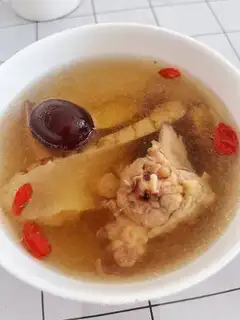
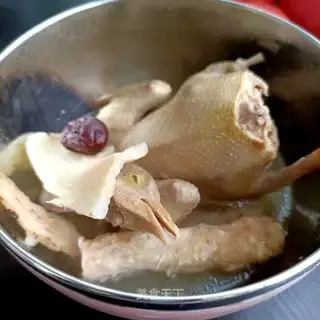
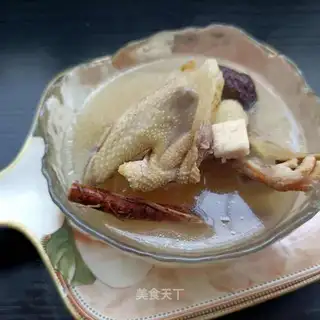
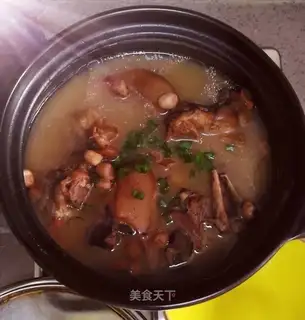
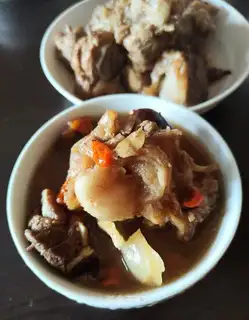
Tianma is a common ingredient in Chinese medicinal soups. Combine it with chicken, pork, or vegetables (e.g., carrots, goji berries) to create a nourishing broth. For example, “Tianma Chicken Soup” is a classic remedy for headaches and fatigue.
3. Stir-Fries and Rice Dishes
Thinly sliced tianma can be stir-fried with vegetables, tofu, or meat. It pairs well with mushrooms, bell peppers, and ginger. Alternatively, mix tianma powder into rice or congee for a nutrient boost.
4. Powder and Supplements
Tianma is available in capsule or powder form for convenience. Add a teaspoon of tianma powder to smoothies, oatmeal, or yogurt. Follow dosage recommendations on the product label, typically 1–3 grams per day.
Conclusion
Tianma is a remarkable ingredient that bridges the gap between traditional medicine and modern nutrition. Its unique combination of gastrodin, polysaccharides, and antioxidants supports brain health, reduces inflammation, and protects the cardiovascular system—making it a true functional food. However, like all potent remedies, it must be used wisely. By understanding its benefits, precautions, and proper usage, individuals can harness tianma’s potential to enhance their health while minimizing risks. As research continues to uncover its secrets, tianma is poised to become a staple in global wellness diets, offering a natural path to vitality and longevity.