In the realm of superfoods, few ingredients boast a history as rich or a reputation as revered as the goji berry (Lycium barbarum or Lycium chinum). For over 2,000 years, this vibrant red fruit has been a cornerstone of traditional Chinese medicine (TCM), celebrated for its ability to "nourish the liver and kidneys," "brighten the eyes," and "promote longevity." Today, modern science is unraveling the mechanisms behind its ancient acclaim, confirming goji berries as a nutritional powerhouse packed with vitamins, antioxidants, and bioactive compounds. From boosting immune function to supporting skin health, this tiny fruit offers a wealth of benefits. However, like all powerful remedies, it must be consumed wisely. This article explores the nutritional profile of goji berries, their evidence-based health benefits, and important precautions to ensure safe and effective use.
Nutritional Profile: A Tiny Fruit with a Mighty Nutrient Punch
Goji berries, often called "wolfberries" in Western contexts, are the dried fruits of the Lycium plant, native to China but now cultivated in temperate regions worldwide. Their bright reddish-orange hue signals high concentrations of antioxidants, while their sweet-tart flavor makes them a popular addition to diets ranging from smoothies to trail mixes.
A 1-ounce (28-gram) serving of dried goji berries contains approximately:
- Calories: 98
- Protein: 4 grams
- Fiber: 3 grams
- Fat: 0.1 grams (negligible)
- Carbohydrates: 21 grams (including 13 grams of natural sugars)
- Vitamin A: 501% of the Daily Value (DV)
- Vitamin C: 84% of the DV
- Iron: 15% of the DV
- Zinc: 14% of the DV
- Antioxidants: High levels of zeaxanthin, beta-carotene, polysaccharides, and flavonoids
What sets goji berries apart is their unique combination of nutrients. Vitamin A, in the form of beta-carotene, is crucial for vision, immune function, and cell growth. Vitamin C acts as a potent antioxidant, supporting collagen production and immune defense. Iron and zinc, essential minerals for energy metabolism and immune health, are present in notable amounts, making goji berries particularly valuable for vegetarians and individuals with iron deficiency.
However, the most celebrated components of goji berries are their polysaccharides (complex carbohydrates) and antioxidants. Polysaccharides, such as LBP-1 (Lycium barbarum polysaccharide), have been extensively studied for their immune-modulating and anti-inflammatory effects. Antioxidants like zeaxanthin—the most abundant carotenoid in goji berries—protect the eyes from oxidative stress, while flavonoids combat free radicals linked to chronic diseases.
Health Benefits: Backed by Tradition and Science
The health benefits of goji berries are a blend of ancient wisdom and modern research. Here are some of the most well-documented advantages:
1. Supports Immune Function
A robust immune system is the body’s first line of defense against infections and diseases. Goji berries enhance immunity through multiple pathways. Their high vitamin C content stimulates the production and activity of white blood cells, such as lymphocytes and phagocytes, which target pathogens. Polysaccharides, particularly LBP-1, have been shown to activate macrophages (immune cells that "eat" harmful invaders) and increase the production of cytokines—signaling molecules that regulate immune responses.
A 2013 study published in The Journal of Nutrition found that healthy adults who consumed goji berry juice daily for 14 days showed increased activity of natural killer (NK) cells, which play a critical role in destroying virus-infected and cancerous cells. These findings align with TCM’s use of goji berries to "strengthen the body’s resistance to disease."
2. Protects Eye Health
Age-related macular degeneration (AMD) and cataracts are leading causes of vision loss, driven by oxidative damage to the eyes. Goji berries are a powerhouse of zeaxanthin, an antioxidant that accumulates in the macula—the part of the retina responsible for central vision. Zeaxanthin filters harmful blue light and neutralizes free radicals, reducing the risk of AMD.
Beta-carotene, another key antioxidant in goji berries, converts to vitamin A in the body, essential for maintaining the cornea and preventing night blindness. A 2016 study in Evidence-Based Complementary and Alternative Medicine found that participants who consumed goji berry powder for 90 days experienced significant improvements in macular density and antioxidant levels in the blood, suggesting enhanced protection against eye degeneration.
3. Antioxidant and Anti-Aging Properties
Oxidative stress, caused by an imbalance between free radicals and antioxidants, is a key driver of aging and chronic diseases like cancer, diabetes, and heart disease. Goji berries are rich in polyphenols, flavonoids, and vitamin C, which neutralize free radicals and reduce inflammation.
Polysaccharides in goji berries also activate sirtuins—longevity-associated genes that regulate cellular repair and metabolism. A 2017 study in Journal of Ethnopharmacology demonstrated that goji berry extract extended the lifespan of fruit flies by up to 14% and improved age-related markers such as mobility and stress resistance. While human studies are ongoing, these results highlight goji berries’ potential as a natural anti-aging agent.
4. Regulates Blood Sugar Levels
Diabetes affects over 400 million people worldwide, and managing blood sugar is critical for preventing complications. Goji berries may help regulate glucose levels through several mechanisms. Their polysaccharides slow carbohydrate digestion and absorption, preventing sharp spikes in blood sugar after meals. Additionally, goji berries enhance insulin sensitivity, allowing cells to use glucose more efficiently.
A 2020 meta-analysis in Phytotherapy Research reviewed 10 clinical trials and found that goji berry supplementation significantly reduced fasting blood glucose levels and improved insulin resistance in individuals with type 2 diabetes. The researchers attributed these effects to goji berries’ ability to modulate gut microbiota and reduce inflammation.
5. Supports Skin Health
Collagen, a protein that provides structure to skin, declines with age, leading to wrinkles and sagging. Goji berries are rich in vitamin C, a cofactor for collagen synthesis, and beta-carotene, which protects skin from UV damage. A 2011 study in Journal of Cosmetic Dermatology found that participants who consumed goji berry juice daily for 8 weeks showed improved skin hydration, elasticity, and reduced wrinkles compared to a placebo group. The researchers noted that goji berries’ antioxidants also reduced markers of skin inflammation and oxidative stress.
6. Enhances Energy and Reduces Fatigue
In TCM, goji berries are classified as an "adaptogen"—a herb that helps the body adapt to stress and fatigue. Modern research suggests this may be due to their ability to improve mitochondrial function (the "powerhouses" of cells) and reduce oxidative stress in muscles. A small 2011 study in Journal of the International Society of Sports Nutrition found that healthy adults who consumed goji berry juice for 14 days reported less fatigue and better exercise performance, along with higher levels of antioxidant enzymes in their blood.
Precautions and Potential Side Effects
While goji berries are generally safe for most people, there are important precautions to consider:
1. Drug Interactions
Goji berries may interact with certain medications due to their blood-sugar-lowering and blood-pressure-lowering effects. Individuals taking diabetes medications (e.g., metformin, insulin) should monitor their blood sugar closely, as goji berries may increase the risk of hypoglycemia (low blood sugar). Similarly, those on blood pressure medications (e.g., ACE inhibitors, diuretics) should be cautious, as goji berries may enhance their effects, leading to low blood pressure.
Goji berries may also interact with blood thinners (e.g., warfarin) due to their vitamin K content, which can counteract the medication’s effects. Consult a healthcare provider before consuming goji berries if you take any prescription drugs.
2. Autoimmune Disorders
Goji berries stimulate the immune system, which can be problematic for individuals with autoimmune diseases (e.g., rheumatoid arthritis, lupus, multiple sclerosis). An overactive immune response may exacerbate symptoms. People with these conditions should avoid goji berries unless advised otherwise by a doctor.
3. Pregnancy and Breastfeeding
There is limited research on the safety of goji berries during pregnancy and breastfeeding. Traditional Chinese medicine warns against excessive consumption during pregnancy due to its potential "warming" effects, which may stimulate uterine contractions. Pregnant and breastfeeding women should err on the side of caution and avoid goji berries or consume them only in small, occasional amounts.
4. Allergic Reactions
Though rare, some individuals may be allergic to goji berries, experiencing symptoms such as itching, rash, or difficulty breathing. If you have a known allergy to other berries of the Solanaceae family (e.g., tomatoes, potatoes), test a small amount of goji berries first and monitor for adverse reactions.
5. Pesticide Residues
Dried goji berries, particularly those imported from China, may contain pesticide residues. To minimize risk, choose organic, certified goji berries from reputable sources. Rinsing them before consumption can also reduce exposure to contaminants.
How to Incorporate Goji Berries into Your Diet
Goji berries are versatile and can be added to a wide range of dishes. Here are some popular ways to enjoy them:
- Smoothies: A tablespoon of goji berries adds a sweet-tart flavor and a nutrient boost to morning smoothies.
- Oatmeal or Yogurt: Sprinkle goji berries over cereal, oatmeal, or yogurt for a colorful, antioxidant-rich topping.
- Teas: Steep dried goji berries in hot water for 5–10 minutes to make a soothing herbal tea.
- Baking: Add goji berries to baked goods like granola bars, cookies, or energy bites.
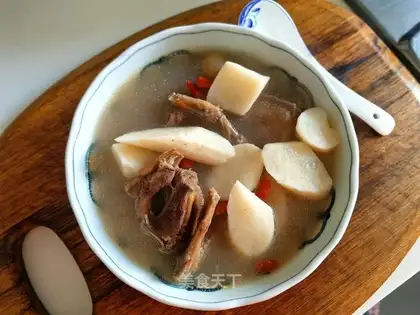
- Soups and Stews: In TCM, goji berries are often added to soups (e.g., chicken or vegetable broth) to enhance flavor and nutrition.
Conclusion
Goji berries are more than just a trendy superfood—they are a nutritional and medicinal treasure with a legacy spanning millennia. Their high concentration of antioxidants, vitamins, and polysaccharides supports immune function, eye health, blood sugar regulation, and anti-aging, making them a valuable addition to a balanced diet. However, their potency also demands respect: interactions with medications, risks for certain populations, and the importance of sourcing high-quality berries cannot be overlooked.
When consumed mindfully, goji berries can be a powerful tool for enhancing health and vitality. As with any dietary supplement, moderation and consultation with a healthcare provider are key. By blending ancient wisdom with modern science, goji berries offer a timeless approach to nourishing the body and promoting longevity—one tiny, vibrant berry at a time.