Introduction
In the realm of underappreciated superfoods, few plants boast the historical and nutritional pedigree of Plantago major, commonly known as broadleaf plantain or simply "plantain" (not to be confused with the cooking banana). Native to Europe and now naturalized worldwide, this unassuming weed has been a staple in traditional medicine and cuisine for millennia. From ancient Greek physicians to medieval herbalists and Indigenous communities, plantain has been revered for its remarkable healing properties and versatility. Today, as modern science rediscovers the wisdom of traditional botanicals, plantain is gaining attention for its impressive nutritional profile and evidence-based health benefits. This article explores the nutritional value of plantain, its diverse health benefits, potential risks, and practical ways to incorporate it into a balanced diet.
Nutritional Profile of Plantain
Plantain is a nutritional powerhouse, packed with vitamins, minerals, antioxidants, and bioactive compounds that contribute to its therapeutic potential. A 100-gram serving of fresh plantain leaves (approximately 1 cup, chopped) contains approximately:
- Vitamins: Plantain is exceptionally rich in vitamin A (as beta-carotene), with 100 grams providing over 20% of the daily recommended intake (DRI). It also offers significant amounts of vitamin C (15% DRI), which supports immune function and collagen synthesis, and vitamin K (40% DRI), essential for blood clotting and bone health. B vitamins, including riboflavin (B2) and folate (B9), are present in smaller but notable quantities.
- Minerals: The plant is a good source of essential minerals, including calcium (10% DRI) for bone strength, magnesium (15% DRI) for muscle and nerve function, and iron (10% DRI), which is vital for oxygen transport in the blood. It also provides potassium, manganese, and zinc, all of which play key roles in metabolic and immune health.
- Fiber: Plantain leaves are high in dietary fiber, particularly soluble fiber like mucilage. A 100-gram serving contains about 5 grams of fiber, promoting digestive health and satiety.
- Bioactive Compounds: The plant’s therapeutic value lies in its concentration of phytochemicals, including aucubin (an iridoid glycoside with anti-inflammatory properties), allantoin (promotes tissue repair), phenolic acids, and flavonoids such as apigenin and luteolin. These compounds contribute to its antioxidant, antimicrobial, and wound-healing abilities.
Health Benefits of Plantain
1. Digestive Health Support
Plantain has long been used to alleviate digestive discomfort, and modern research validates its traditional use. The mucilage in plantain leaves forms a soothing gel when mixed with water, which coats the digestive tract, reducing irritation from conditions like gastritis, ulcers, and inflammatory bowel disease (IBD). A 2018 study published in the Journal of Ethnopharmacology found that plantain extract reduced inflammation in colonic cells, suggesting potential benefits for ulcerative colitis patients. Additionally, its fiber content regulates bowel movements, alleviating both constipation and diarrhea.
2. Anti-Inflammatory and Wound-Healing Properties
Allantoin and aucubin in plantain are key to its anti-inflammatory and tissue-repair capabilities. Topical application of plantain gel or poultices has been shown to accelerate wound healing by stimulating collagen production and reducing inflammation. A 2020 study in Phytotherapy Research demonstrated that plantain extract enhanced the healing of skin wounds in rats by increasing angiogenesis (formation of new blood vessels) and reducing oxidative stress. Traditionally, plantain was applied to insect bites, burns, and cuts, a practice still used in herbal medicine today.
3. Immune System Modulation
The high vitamin C and flavonoid content in plantain bolsters immune function. Vitamin C stimulates the production of white blood cells, while flavonoids like apigenin have antimicrobial effects, inhibiting the growth of pathogens such as Staphylococcus aureus and Escherichia coli. Research indicates that plantain extracts may also modulate cytokine activity, reducing excessive inflammation in autoimmune conditions.
4. Respiratory Health
Plantain is a popular remedy for respiratory ailments, particularly coughs and bronchitis. Its expectorant properties help loosen mucus, while its anti-inflammatory effects soothe inflamed airways. In traditional European herbalism, plantain tea was used to treat asthma and congestion. A 2019 study in BMC Complementary Medicine and Therapies found that plantain extract relaxed tracheal smooth muscles in vitro, supporting its traditional use as a bronchodilator.
5. Cardiometabolic Benefits
Plantain’s fiber and potassium content contribute to heart health. Soluble fiber lowers LDL ("bad") cholesterol by binding to bile acids in the digestive tract, while potassium regulates blood pressure by balancing sodium levels. Additionally, plantain’s antioxidants reduce oxidative stress, a key factor in atherosclerosis. A 2021 study in Food & Function linked plantain phenolic acids to improved insulin sensitivity, suggesting potential benefits for diabetes management.
6. Skin Health
Topical plantain preparations are widely used to treat skin conditions like eczema, psoriasis, and acne. The plant’s anti-inflammatory and antimicrobial properties reduce redness and bacterial growth, while allantoin moisturizes and repairs damaged skin. Commercial skincare products often incorporate plantain extract for its soothing effects on sensitive or irritated skin.
Culinary Uses: From Wild Weed to Gourmet Ingredient
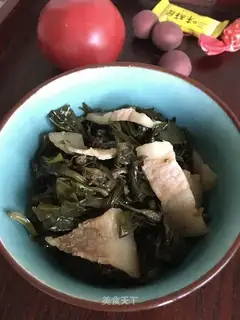
Beyond its medicinal applications, plantain is a versatile culinary ingredient. Young leaves have a mild, spinach-like flavor and can be eaten raw in salads or cooked as a green. Older leaves are tougher but can be steamed, sautéed, or added to soups and stews. Here are some popular ways to use plantain:
- Salads: Chop fresh, young leaves and mix with lettuce, tomatoes, and vinaigrette for a nutrient-dense salad.
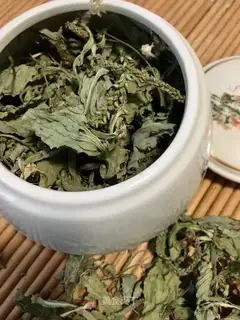
- Teas: Steep dried or fresh leaves in hot water for 5–10 minutes to make a soothing tea, often sweetened with honey or lemon.
- Pesto: Blend plantain leaves with garlic, nuts, Parmesan, and olive oil for a unique twist on traditional pesto.
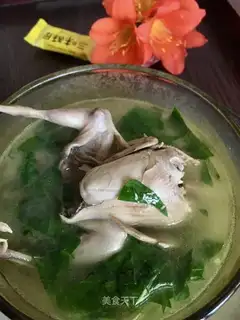
- Soups and Stews: Add chopped leaves to soups, where they act as a thickener due to their mucilage content.
- Infused Oils: Steep plantain leaves in olive oil for several weeks to create a topical oil for massages or skin care.
Foragers and gardeners note that plantain grows abundantly in lawns, meadows, and waste areas, making it a sustainable and free food source. However, proper identification is crucial to avoid confusion with toxic look-alikes (e.g., young foxglove leaves).
Precautions and Potential Risks
While plantain is generally safe for most people, certain precautions must be taken:
1. Allergic Reactions
Individuals with allergies to plants in the Plantaginaceae family (e.g., ribwort plantain) or to grass pollen may experience cross-reactivity. Symptoms include skin rashes, itching, or respiratory distress. A patch test is recommended before topical use.
2. Blood Pressure and Blood Sugar
Plantain’s potassium content may lower blood pressure, so individuals taking antihypertensive medications should monitor their levels closely. Additionally, its potential to lower blood sugar requires caution for those on diabetes medications.
3. Pregnancy and Breastfeeding
Limited research exists on plantain’s safety during pregnancy and breastfeeding. Pregnant women should avoid it due to its uterine-stimulating properties, which could trigger contractions.
4. Drug Interactions
Plantain may interact with blood thinners (e.g., warfarin) due to its vitamin K content, which affects clotting. It may also enhance the effects of diuretics and antidiabetic drugs. Consult a healthcare provider before using plantain medicinally if taking medications.
5. Contamination Risks
Foraged plantain must be harvested from uncontaminated areas (away from roads, pesticides, or industrial sites). Thorough washing is essential to remove dirt, insects, or potential pollutants.
Conclusion
Plantain (Plantago major) is a testament to the intersection of tradition and science. From its ancient use as a healing herb to its modern recognition as a nutritional and medicinal powerhouse, this humble plant offers a wealth of benefits. Its rich vitamin and mineral content, combined with anti-inflammatory, antimicrobial, and wound-healing properties, make it a valuable addition to both diet and natural medicine cabinets. However, responsible use—proper identification, awareness of contraindications, and consultation with healthcare professionals—is essential to harness its benefits safely.
As we rediscover the wisdom of traditional botanicals, plantain stands out as a reminder that nature’s remedies often grow in our own backyards. Whether enjoyed as a nutrient-dense green, a soothing tea, or a topical healer, plantain exemplifies the power of plants to nourish, protect, and restore health.
Word Count: ~1,550