In the diverse landscape of Chinese leafy greens, Wu Cai (乌菜), also known as black cabbage or black mustard greens, stands out for its distinctive dark purple-black leaves, robust flavor, and exceptional nutritional profile. Cultivated for centuries in regions like Jiangsu, Zhejiang, and Sichuan, this vegetable is not only a staple in traditional Chinese cuisine but also a rising star in global wellness circles. Often referred to as the "black diamond" of vegetables, Wu Cai is packed with vitamins, minerals, antioxidants, and bioactive compounds that contribute to its remarkable health benefits. However, like all foods, it must be consumed mindfully to avoid potential side effects. This article explores the nutritional value, health benefits, culinary uses, and precautions associated with Wu Cai, providing a comprehensive guide for incorporating this superfood into a balanced diet.
I. Nutritional Value of Wu Cai
Wu Cai belongs to the Brassicaceae family, alongside kale, broccoli, and cabbage, but its unique growing conditions—often in cooler climates or shaded areas—concentrate its nutrient density. A 100-gram serving of fresh Wu Cai contains approximately:
- Vitamins: Wu Cai is a vitamin powerhouse. It provides around 150% of the daily recommended intake (DRI) of vitamin K, essential for blood clotting and bone health. It is also rich in vitamin A (as beta-carotene), with over 100% DRI per serving, supporting vision, immune function, and skin integrity. Additionally, it offers abundant vitamin C (60% DRI), an antioxidant that boosts collagen production and immune defense, and smaller amounts of B vitamins like folate (B9), which aids cell division and DNA synthesis.
- Minerals: This vegetable is a notable source of calcium (150 mg per 100g), crucial for bone and muscle health, and iron (2 mg), which supports oxygen transport in the blood. It also provides potassium (300 mg), regulating blood pressure, and magnesium (30 mg), involved in over 300 enzymatic reactions.
- Antioxidants: Wu Cai’s dark color signals high levels of anthocyanins, the pigments responsible for its purple-black hue. These compounds combat oxidative stress by neutralizing free radicals, reducing inflammation, and protecting cells from damage. It also contains glucosinolates—sulfur-rich compounds unique to cruciferous vegetables—which break down into bioactive molecules like sulforaphane during digestion, known for their anti-cancer properties.
- Dietary Fiber: With 3 grams of fiber per 100g, Wu Cai aids digestion, promotes gut health by feeding beneficial gut bacteria, and helps regulate blood sugar levels and appetite.
- Low in Calories: Wu Cai is extremely low in calories (around 35 kcal per 100g), making it an ideal choice for weight management diets.
II. Health Benefits of Wu Cai
The combination of nutrients and bioactive compounds in Wu Cai confers a wide range of health benefits, from chronic disease prevention to immune support.
1. Anti-Cancer Properties
Wu Cai’s glucosinolates are its star anti-cancer compounds. When chewed or digested, these compounds convert to isothiocyanates (ITCs) and sulforaphane, which have been shown to:
- Inhibit the growth of cancer cells, particularly in the colon, breast, and prostate.
- Detoxify carcinogens by activating phase II enzymes in the liver.
- Induce apoptosis (programmed cell death) in malignant cells.
Studies suggest that regular consumption of cruciferous vegetables like Wu Cai may reduce the risk of certain cancers by 15–30%.
2. Cardiovascular Health
Wu Cai supports heart health through multiple mechanisms:
- Lowers Cholesterol: The fiber and plant sterols in Wu Cai bind to bile acids in the gut, reducing the absorption of LDL ("bad") cholesterol.
- Regulates Blood Pressure: Potassium counteracts the effects of sodium, relaxing blood vessels and lowering hypertension risk.
- Reduces Inflammation: Anthocyanins and omega-3 fatty acids (in small amounts) in Wu Cai decrease markers of inflammation like C-reactive protein (CRP), a key contributor to atherosclerosis.
3. Bone Density and Osteoporosis Prevention
Wu Cai is one of the few plant-based sources of vitamin K, which plays a critical role in bone metabolism. Vitamin K activates osteocalcin, a protein that binds calcium to bones, reducing fracture risk. Its calcium and magnesium content further supports bone mineralization, making it particularly beneficial for postmenopausal women and older adults at risk of osteoporosis.
4. Immune System Boost
The high levels of vitamin C and A in Wu Cai enhance immune function:
- Vitamin C stimulates the production of white blood cells and antibodies, while protecting them from oxidative damage.
- Vitamin A maintains the integrity of mucosal barriers (e.g., in the respiratory and digestive tracts), preventing pathogen invasion.
Additionally, zinc (0.5 mg per 100g) in Wu Cai supports immune cell development and communication.
5. Digestive Health and Weight Management
Wu Cai’s fiber content promotes a healthy gut microbiome by acting as a prebiotic, feeding beneficial bacteria like Lactobacillus and Bifidobacterium. This improves digestion, reduces bloating, and may lower the risk of colorectal cancer. For weight management, its low calorie density, combined with fiber and water (90% of its weight), increases satiety, reducing overall calorie intake.
6. Antidiabetic Effects
Wu Cai may help regulate blood sugar levels due to its fiber and antioxidant content. Fiber slows carbohydrate absorption, preventing spikes in blood glucose, while anthocyanins enhance insulin sensitivity, improving glucose uptake by cells. Animal studies have shown that Wu Cai extract can reduce blood sugar levels by up to 20% in diabetic models.
III. Culinary Uses and Preparation Tips
Wu Cai’s slightly bitter, earthy flavor makes it a versatile ingredient in both traditional and modern dishes. To maximize its nutritional benefits, proper preparation is key.
1. Traditional Chinese Cuisine
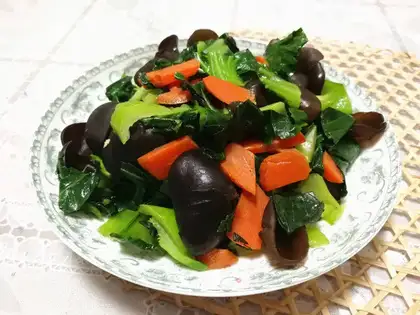
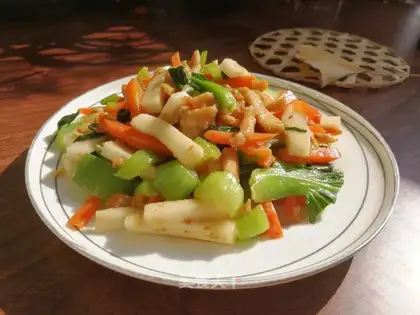
In China, Wu Cai is commonly stir-fried with garlic or ginger, added to soups, or pickled. For example:
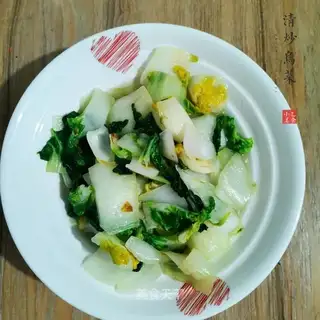
- Stir-Fried Wu Cai with Garlic: A quick, healthy side dish where the vegetable is blanched briefly to reduce bitterness, then stir-fried with garlic and a dash of soy sauce.
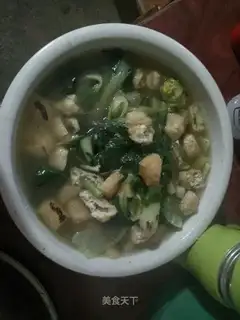
- Wu Cai and Tofu Soup: A comforting soup combining Wu Cai with silken tofu, mushrooms, and miso, rich in protein and antioxidants.
- Pickled Wu Cai: Fermented Wu Cai (similar to sauerkraut) is a probiotic-rich condiment that complements rice and noodles.
2. Modern Global Recipes
Wu Cai can be used in salads, smoothies, or as a substitute for kale or spinach:
- Wu Cai Salad: Massaged with lemon juice, olive oil, and nuts to soften its texture and enhance flavor.
- Green Smoothies: Blended with fruits like banana or pineapple to balance its bitterness, providing a nutrient-packed drink.
- Wu Cai Chips: Tossed with olive oil and baked until crispy for a healthy alternative to potato chips.
3. Maximizing Nutrient Retention
- Cooking Methods: Light steaming or stir-frying preserves heat-sensitive nutrients like vitamin C better than boiling. Avoid overcooking, as it can reduce antioxidant levels.
- Pairing with Healthy Fats: Adding olive oil or avocado to Wu Cai dishes enhances the absorption of fat-soluble vitamins (A, K, E).
IV. Precautions and Potential Side Effects
While Wu Cai is highly nutritious, certain precautions should be taken to avoid adverse effects, particularly for specific populations.
1. Goitrogen Content
Wu Cai, like other cruciferous vegetables, contains goitrogens—compounds that can interfere with thyroid function by inhibiting iodine uptake. In individuals with iodine deficiency or pre-existing hypothyroidism, excessive consumption may worsen thyroid dysfunction. Precaution: Limit intake to 2–3 servings per week and cook thoroughly to reduce goitrogen levels. Iodine supplementation (e.g., via iodized salt) may also be advised.
2. Blood Thinning Effects
Wu Cai’s high vitamin K content can interact with blood-thinning medications like warfarin, as vitamin K promotes blood clotting. Precaution: Individuals on anticoagulants should maintain consistent vitamin K intake (avoid sudden large servings) and consult their doctor.
3. Digestive Discomfort
The fiber and sulfur compounds in Wu Cai may cause bloating, gas, or diarrhea in sensitive individuals, especially when consumed raw. Precaution: Start with small cooked portions and gradually increase intake to allow the gut to adapt.
4. Pesticide Residues
Non-organic Wu Cai may contain pesticide residues due to its dense leaves. Precaution: Wash thoroughly under running water or soak in a 10% saltwater solution for 15 minutes before consumption. Opt for organic when possible.
5. Pregnancy and Breastfeeding
While moderate consumption is safe, excessive intake of raw Wu Cai (due to its goitrogen content) is not recommended during pregnancy, as iodine deficiency is critical for fetal development. Precaution: Stick to 1–2 cooked servings per week and consult a healthcare provider.
V. Conclusion
Wu Cai is a nutritional powerhouse that offers an impressive array of health benefits, from cancer prevention to immune support and bone health. Its versatility in the kitchen, combined with its low calorie density, makes it an excellent addition to a balanced diet. However, mindful consumption is essential—particularly for individuals with thyroid issues, those on blood thinners, or those prone to digestive discomfort. By understanding its nutritional value, benefits, and precautions, one can harness the full potential of this humble yet extraordinary vegetable. Whether stir-fried, steamed, or blended into a smoothie, Wu Cai is a delicious and effective way to enhance overall health and well-being.
In a world where processed foods dominate, Wu Cai reminds us of the power of whole, natural foods to nourish and heal. As research continues to uncover its bioactive compounds, this "black diamond" of vegetables is poised to become a global staple for health-conscious individuals everywhere.