The Overlooked Treasure: Unveiling the Nutritional Power and Culinary Wonders of Pumpkin Vines
In the world of gastronomy, certain ingredients bask in the limelight, celebrated for their versatility and flavor. Think of the plump tomato, the earthy mushroom, or the ever-versatile carrot. Yet, in the shadow of their more famous counterparts lie true culinary treasures, humble and often overlooked. One such unsung hero is the pumpkin vine, or ngò tây as it's known in Vietnamese, a plant part that is typically discarded without a second thought. Beyond its role as a mere connector between the earth and the pumpkin fruit, the vine—specifically its tender tips and young leaves—emerges as a nutritional powerhouse and a delightful, green vegetable in its own right. This article delves into the rich nutritional profile, the array of health benefits, and the important precautions associated with incorporating pumpkin vines into a diet, revealing a plant that is as beneficial as it is delicious.
A Botanical and Culinary Profile
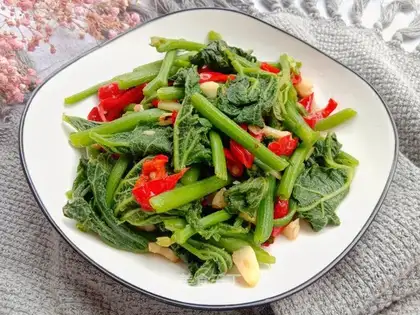
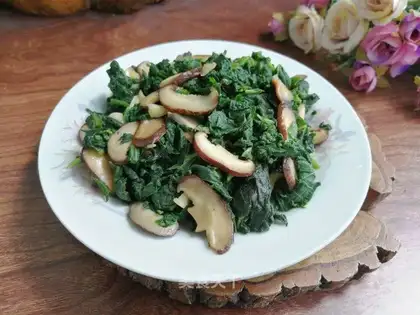
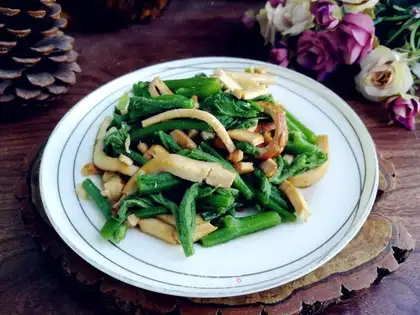
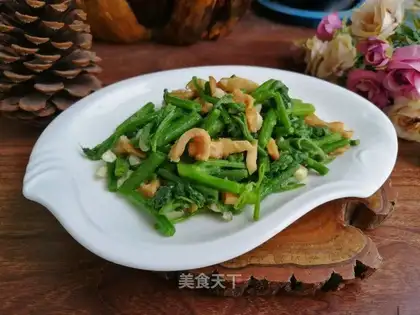
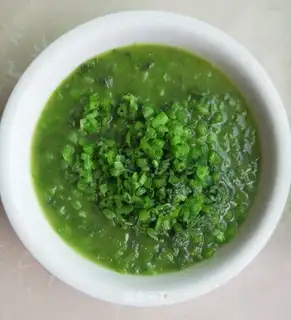
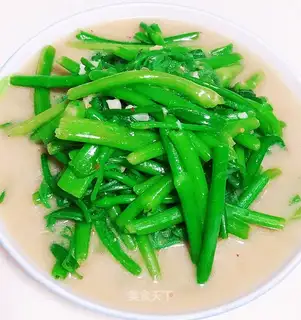
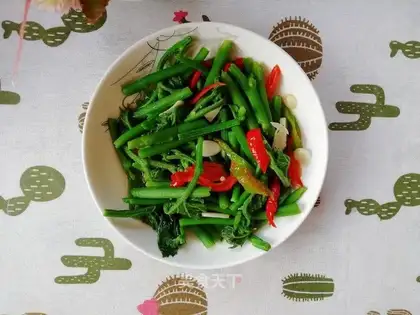
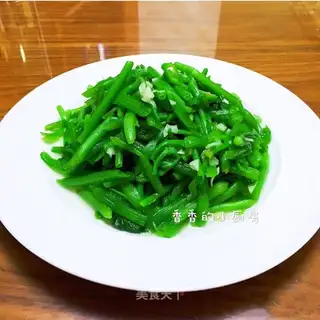
Before exploring its nutritional and medicinal properties, it is essential to understand what we are discussing. Pumpkin vines are the climbing or trailing stems of the Cucurbita pepo family, which also includes other squashes and gourds. The part that is typically consumed is the apex of the vine, known as the "tip" or "shoot." These tips are harvested when they are young and tender, usually before the vine has become tough, fibrous, and woody. The ideal tip features a cluster of small, unfurled leaves, a slender and pliable stem, and often a nascent flower bud. This delicate part of the plant offers a unique flavor profile: a subtle, fresh green taste reminiscent of a blend of spinach and watercress, with a hint of a subtle, pleasant bitterness. This delicate flavor makes them incredibly versatile in the kitchen, capable of being stir-fried, blanched, steeped in soups, or even juiced.
The Nutritional Powerhouse: A Deep Dive into Composition
What truly sets pumpkin vines apart is their exceptional nutritional density. They are a low-calorie food, making them an excellent choice for weight management, yet they are packed with a remarkable variety of vitamins, minerals, and bioactive compounds that contribute significantly to overall health.
1. Vitamins: A Green Cocktail of Essential Nutrients
Pumpkin vines are a veritable vitamin store.
Vitamin A: The leaves are exceptionally rich in beta-carotene, a provitamin A carotenoid that the body converts into retinol. This nutrient is crucial for maintaining healthy vision, supporting immune function, and promoting cell growth and repair. The vibrant green color of the leaves is a visual indicator of its high antioxidant content.
Vitamin C: A potent antioxidant, Vitamin C is abundant in pumpkin vines. It plays a vital role in boosting the immune system, aiding in the synthesis of collagen for skin and joint health, and enhancing the absorption of iron from plant-based sources.
Vitamin K: This fat-soluble vitamin is essential for blood clotting and bone metabolism. A single serving of pumpkin vines can provide a significant portion of the daily recommended intake, contributing to bone density and proper wound healing.
B Vitamins: The vines are a good source of several B vitamins, including folate (B9), which is critical for DNA synthesis, cell division, and is especially important during pregnancy for preventing neural tube defects in the fetus. They also contain smaller amounts of riboflavin (B2) and niacin (B3), which are key players in energy metabolism.
2. Minerals: The Building Blocks of a Healthy Body
Beyond vitamins, pumpkin vines offer a valuable mineral profile.
Iron: While plant-based iron (non-heme iron) is not as easily absorbed as the iron from animal sources, pumpkin vines provide a significant amount. When consumed alongside Vitamin C (which they are rich in), the absorption of this iron is substantially enhanced, making them an excellent food for preventing iron-deficiency anemia.
Calcium: Often associated with dairy products, calcium is also abundantly present in leafy green vegetables like pumpkin vines. It is fundamental for building and maintaining strong bones and teeth, as well as for muscle function and nerve signaling.
Potassium: This electrolyte is vital for regulating blood pressure, fluid balance, and muscle contractions. A diet rich in potassium can help counteract the effects of sodium and reduce the risk of hypertension and stroke.
Magnesium: Often called the "relaxation mineral," magnesium is involved in over 300 biochemical reactions in the body, including energy production, muscle and nerve function, and blood sugar control.
3. Antioxidants and Bioactive Compounds: The Protective Shield
Perhaps the most compelling aspect of pumpkin vines' health benefits lies in their high concentration of antioxidants and unique plant compounds. These substances help neutralize harmful free radicals in the body, reducing oxidative stress and the risk of chronic diseases.
Flavonoids and Polyphenols: These are powerful antioxidants that have been linked to reduced inflammation, improved heart health, and a lower risk of certain cancers. The subtle bitterness of the vine is often attributed to these beneficial compounds.
Chlorophyll: The pigment that gives plants their green color, chlorophyll, is also present in high amounts. Some studies suggest that chlorophyll may have detoxifying properties, help with wound healing, and even exhibit anti-cancer potential.
Cucurbitacins: These are a unique class of compounds found in the Cucurbitaceae family. While they can be toxic in large amounts in the mature fruit or roots, the tender shoots of the vine contain them in much lower, potentially beneficial concentrations. Research is ongoing into their anti-inflammatory, anti-cancer, and anti-diabetic properties.
The Multifaceted Health Benefits: From Kitchen to Clinic
The rich nutritional composition of pumpkin vines translates into a wide array of tangible health benefits, making them a valuable addition to a balanced diet.
1. Enhances Immune System Function
The combination of high levels of Vitamin A, Vitamin C, and various antioxidants makes pumpkin vines a formidable ally for the immune system. Vitamin A maintains the integrity of the skin and mucosal barriers, which are the body's first line of defense. Vitamin C stimulates the production and function of white blood cells, which are essential for fighting infections. By reducing oxidative stress, the antioxidants protect immune cells from damage, ensuring a robust and responsive immune system.
2. Supports Digestive Health
Pumpkin vines are an excellent source of dietary fiber. Fiber adds bulk to the stool, promoting regular bowel movements and preventing constipation. Furthermore, fiber acts as a prebiotic, feeding the beneficial bacteria in the gut microbiome. A healthy gut microbiome is linked to improved digestion, better nutrient absorption, enhanced immune function, and even mood regulation. The high water content of the vegetable also aids in digestion and helps keep the gastrointestinal tract hydrated and functioning smoothly.
3. Aids in Weight Management
For individuals looking to manage their weight, pumpkin vines are an ideal food. They are very low in calories yet high in fiber and water. This combination creates a feeling of fullness and satiety, which can help curb overeating and reduce overall calorie intake. By providing essential nutrients without a significant caloric load, they allow for a nutrient-dense diet that supports weight loss or maintenance goals.
4. Promotes Healthy Vision and Skin
The abundance of beta-carotene in pumpkin vines is a boon for both eye and skin health. The body converts beta-carotene into Vitamin A, a critical component of rhodopsin, a protein in the eyes that helps vision in low-light conditions. Adequate Vitamin A intake can prevent conditions like night blindness and age-related macular degeneration. For the skin, Vitamin A is essential for the production of new skin cells and the repair of damaged tissue. The antioxidants, particularly Vitamin C, also protect the skin from damage caused by ultraviolet (UV) rays and pollution, promoting a youthful, radiant complexion.
5. Contributes to Stronger Bones
The synergy of calcium, Vitamin K, and magnesium in pumpkin vines makes them a food that actively promotes bone health. Calcium provides the primary structural component of bones, while Vitamin K is necessary for the proper utilization of calcium and the formation of osteocalcin, a protein that integrates calcium into the bone matrix. Magnesium works in concert with these two minerals to support bone density and strength, reducing the risk of osteoporosis and fractures.
6. Helps Regulate Blood Sugar
The fiber content in pumpkin vines plays a crucial role in blood sugar management. Fiber slows down the absorption of sugar in the bloodstream, preventing the sharp spikes and crashes in blood glucose levels that can occur after eating high-carbohydrate meals. This is particularly beneficial for individuals with type 2 diabetes or those at risk of developing the condition, as it helps improve insulin sensitivity and promotes more stable energy levels throughout the day.
Important Precautions and Potential Side Effects
While pumpkin vines are incredibly beneficial, it is crucial to consume them correctly and be aware of potential risks, primarily due to the presence of cucurbitacins.
1. The Risk of Cucurbitacin Toxicity
Cucurbitacins are bitter-tasting compounds that act as a natural defense mechanism for the plant against pests. In large quantities, they are toxic to humans and can cause a condition known as "cucurbit poisoning." Symptoms include severe gastrointestinal distress, such as profuse diarrhea, vomiting, abdominal pain, and sometimes even headaches. However, it is important to note that toxicity is extremely rare from consuming the tender, young tips of the vine. The risk is associated with consuming older, more bitter parts of the plant or the roots. The key is to select only the most tender, fresh, and minimally bitter tips.
2. Proper Selection and Preparation
To safely enjoy pumpkin vines, follow these guidelines:
Choose Tender Tips: Select the youngest, most tender shoots and leaves. They should be bright green, pliable, and have only a hint of bitterness. Avoid any parts that are tough, fibrous, or intensely bitter.
Thorough Washing: Like all leafy greens, pumpkin vines must be washed thoroughly under running water to remove any dirt, pesticides, or potential contaminants.
Cooking is Essential: Raw pumpkin vines can be difficult to digest and may harbor bacteria. Cooking, whether through stir-frying, blanching, or adding to soups, not only improves their texture and flavor but also helps to neutralize any potential toxins and makes their nutrients more bioavailable.
3. Interaction with Medications
Due to their high Vitamin K content, individuals taking blood-thinning medications, such as warfarin (Coumadin), should exercise caution. Vitamin K plays a key role in blood clotting, and sudden, large changes in its intake can interfere with the effectiveness of these medications. If you are on such medication, it is essential to maintain a consistent level of Vitamin K consumption and consult your doctor or a registered dietitian before making pumpkin vines a regular part of your diet.
4. Allergic Reactions
While uncommon, some individuals may have an allergic reaction to pumpkin vines, as they are part of the Cucurbitaceae family, which includes melons and cucumbers. Symptoms can range from mild, such as itching or hives, to more severe reactions like difficulty breathing. If you have a known allergy to other plants in this family, it is advisable to avoid pumpkin vines.
Conclusion
The pumpkin vine is a testament to the principle that the most valuable treasures are often hidden in plain sight. For too long, this vibrant, green part of the pumpkin plant has been relegated to the compost heap, its potential untapped. As we have explored, the tender tips of the vine are a nutritional and medicinal goldmine, offering a wealth of vitamins, minerals, and antioxidants that support immune function, promote digestive health, aid in weight management, and contribute to strong bones and radiant skin. By learning to properly select, prepare, and incorporate this humble vegetable into our meals, we not only reduce food waste but also unlock a new dimension of flavor and health. The next time you encounter a pumpkin, consider looking beyond the fruit. The real treasure, it turns out, has been there all along, waiting for a chance to nourish and delight.