Introduction
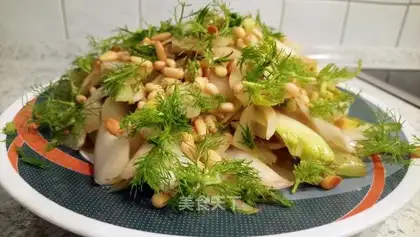
In the world of culinary arts and nutritional science, certain ingredients stand out for their unique flavor profiles, versatility, and profound health benefits. Fennel bulb (Foeniculum vulgare var. azoricum), a crisp, aromatic vegetable with a mild anise-like taste, is one such gem. Often mistaken for onion or celery due to its layered, bulbous base and feathery fronds, fennel belongs to the Apiaceae family, alongside carrots, celery, and parsley. While its entire plant—roots, leaves, seeds, and bulb—is edible, the bulb is the most commonly consumed part, celebrated for its crunchy texture and ability to enhance dishes ranging from fresh salads to roasted stews. Beyond its culinary appeal, fennel bulb is a nutritional powerhouse, offering a rich array of vitamins, minerals, antioxidants, and bioactive compounds that contribute to overall health. This article explores the nutritional composition of fennel bulb, its evidence-based health benefits, potential dietary considerations, and creative ways to incorporate it into a balanced diet.
Nutritional Profile of Fennel Bulb
Fennel bulb is low in calories yet packed with essential nutrients, making it an excellent addition to weight management and nutrient-dense diets. A 100-gram serving of raw fennel bulb (approximately 1 cup, chopped) contains approximately:
- Calories: 31 kcal
- Carbohydrates: 7.3 g (including 2.9 g of fiber and 3.4 g of natural sugars)
- Protein: 1.2 g
- Fat: 0.2 g
- Water: 94 g
Key Vitamins and Minerals
Fennel bulb is a rich source of several micronutrients that play critical roles in bodily functions:
- Vitamin C: A potent antioxidant, vitamin C is abundant in fennel (10.3 mg per 100g, about 17% of the Daily Value, DV). It supports immune function, collagen synthesis, and skin health, while also enhancing iron absorption from plant-based sources.
- Folate (Vitamin B9): Essential for DNA synthesis, cell division, and fetal development, folate is present in fennel at 27 µg per 100g (7% DV). Adequate folate intake is particularly important for pregnant individuals to prevent neural tube defects.
- Potassium: With 414 mg per 100g (9% DV), fennel is a good source of potassium, a mineral that regulates blood pressure, fluid balance, and muscle contractions. Diets high in potassium are linked to a reduced risk of stroke and heart disease.
- Manganese: This trace mineral (0.2 mg per 100g, 10% DV) acts as a cofactor for enzymes involved in metabolism, antioxidant defense, and bone formation.
- Vitamin K: Crucial for blood clotting and bone metabolism, fennel provides 12.3 µg of vitamin K per 100g (10% DV).
- Phosphorus: Important for bone health and energy production, fennel contains 44 mg of phosphorus per 100g (6% DV).
Fiber and Bioactive Compounds
Fennel’s high fiber content (2.9 g per 100g) is a standout feature, contributing to digestive health, satiety, and stable blood sugar levels. The fiber in fennel is a mix of soluble and insoluble types: soluble fiber (such as inulin) feeds beneficial gut bacteria, while insoluble fiber adds bulk to stool, promoting regularity.
Additionally, fennel bulb contains unique bioactive compounds, including:
- Anethole: The primary volatile oil responsible for fennel’s characteristic licorice-like aroma, anethole has demonstrated anti-inflammatory, antimicrobial, and antioxidant properties in preclinical studies.
- Flavonoids: Compounds such as quercetin, kaempferol, and rutin in fennel combat oxidative stress by neutralizing free radicals, reducing the risk of chronic diseases like cancer and heart disease.
- Phenolic Acids: These compounds, including chlorogenic acid, exhibit anti-inflammatory and neuroprotective effects.
Health Benefits of Fennel Bulb
The combination of vitamins, minerals, fiber, and bioactive compounds in fennel bulb confers a range of health benefits, supported by both traditional use and modern scientific research.
1. Supports Digestive Health
Fennel has long been used in traditional medicine to alleviate digestive discomfort, and modern research validates its efficacy. The fiber in fennel promotes gut health by:
- Relieving Constipation: Insoluble fiber adds bulk to stool, while soluble fiber retains water, softening stool and easing bowel movements.
- Reducing Bloating and Gas: Anethole and other volatile oils in fennel relax the gastrointestinal tract muscles, reducing spasms and expelling gas. A 2019 study published in Journal of Ethnopharmacology found that fennel extract significantly reduced bloating and abdominal pain in individuals with irritable bowel syndrome (IBS).
- Feeding Gut Microbiota: The inulin in fennel acts as a prebiotic, stimulating the growth of beneficial bacteria like Bifidobacterium and Lactobacillus, which are essential for immune function and overall gut health.
2. Anti-Inflammatory and Antioxidant Properties
Chronic inflammation and oxidative stress are underlying factors in many chronic diseases, including arthritis, diabetes, and cancer. Fennel bulb’s rich antioxidant and anti-inflammatory profile helps combat these processes:
- Anethole: Studies show that anethole inhibits pro-inflammatory enzymes (such as COX-2) and cytokines (like TNF-α and IL-6), reducing inflammation in conditions like colitis and arthritis.
- Flavonoids: Quercetin and rutin scavenge free radicals and enhance the activity of endogenous antioxidant enzymes (e.g., superoxide dismutase), protecting cells from oxidative damage. A 2020 study in Food & Function found that fennel extract reduced oxidative stress markers in liver tissue of rats exposed to toxins.
3. Regulates Blood Pressure and Cardiovascular Health
Fennel’s potassium and fiber content make it heart-healthy:
- Potassium: This counteracts the effects of sodium, relaxing blood vessel walls and lowering blood pressure. The American Heart Association recommends potassium-rich foods to reduce hypertension risk.
- Fiber: Soluble fiber binds to cholesterol in the digestive system, preventing its absorption and lowering LDL (“bad”) cholesterol. A 2017 review in Journal of Nutrition and Metabolism linked high fiber intake to a 15–30% reduced risk of heart disease.
4. Enhances Immune Function
Vitamin C in fennel is critical for immune defense: it stimulates the production of white blood cells (lymphocytes and phagocytes), which attack pathogens, and strengthens the skin’s barrier function. Additionally, fennel’s antioxidants (e.g., flavonoids) protect immune cells from oxidative damage, ensuring optimal function.
5. Supports Weight Management
Fennel bulb is a low-calorie, high-fiber food that aids weight control:
- Satiety: Fiber slows gastric emptying, keeping you full longer and reducing overall calorie intake. A 2021 study in Appetite found that high-fiber meals increased satiety hormones (GLP-1 and PYY) and decreased hunger hormones (ghrelin).
- Low Energy Density: With 94% water content, fennel provides volume without excess calories, making it ideal for weight loss diets.
6. Promotes Skin and Hair Health
The vitamin C, vitamin A (from beta-carotene), and antioxidants in fennel contribute to healthy skin and hair:
- Vitamin C: Essential for collagen production, which maintains skin elasticity and reduces wrinkles. It also protects against UV-induced damage.
- Beta-carotene: Converted to vitamin A, it supports skin cell turnover and prevents dryness.
- Antioxidants: Combat free radicals that cause premature aging and hair damage.
7. Potential Anti-Cancer Effects
While more human studies are needed, preclinical research suggests fennel may inhibit cancer growth:
- Anethole: Studies show it induces apoptosis (programmed cell death) in breast, liver, and colon cancer cells.
- Flavonoids: Quercetin suppresses tumor angiogenesis (formation of new blood vessels that feed tumors) and metastasis. A 2018 study in Oxidative Medicine and Cellular Longevity found that fennel extract reduced breast cancer cell proliferation by 30% in vitro.
Culinary Uses and Preparation Tips
Fennel bulb’s mild, slightly sweet flavor and crunchy texture make it a versatile ingredient in global cuisines. Here are popular ways to enjoy it:
- Raw: Thinly sliced fennel bulb adds a crisp, refreshing element to salads (e.g., Mediterranean fennel and orange salad) or can be served as a crudité with hummus or yogurt dip.
- Roasted: Roasting caramelizes fennel’s natural sugars, enhancing its sweetness. Toss with olive oil, garlic, and herbs (e.g., rosemary) and roast at 400°F (200°C) for 20–25 minutes.
- Sautéed: Sauté fennel with onions and carrots as a base for soups, stews, or pasta sauces (e.g., Italian finocchio al forno).
- Grilled: Grilling fennel halves adds a smoky flavor; pair with seafood or grilled vegetables.
- Soups and Stews: Fennel adds depth to creamy soups (e.g., potato-fennel soup) or hearty stews.
- Infusions: Fennel fronds can be steeped in hot water to make a soothing herbal tea, or blended into smoothies for a nutrient boost.
Storage Tips
To preserve freshness, store fennel bulb in a plastic bag in the refrigerator for up to 5–7 days. The fronds can be wrapped in a damp paper towel and stored separately. Avoid washing until ready to use, as excess moisture promotes spoilage.
Potential Side Effects and Precautions
While fennel bulb is safe for most people when consumed in moderation, certain individuals should exercise caution:
1. Allergic Reactions
Fennel belongs to the Apiaceae family, which includes carrots, celery, and parsley. Individuals with allergies to these plants may experience cross-reactivity, with symptoms ranging from mild (oral itching, hives) to severe (anaphylaxis). A 2016 case report in Journal of Medical Case Reports described an anaphylactic reaction in a patient with a celery allergy after consuming fennel soup.
2. Hormonal Effects
Fennel contains phytoestrogens (plant compounds that mimic estrogen), which may interfere with hormone-sensitive conditions. While moderate consumption is unlikely to cause harm, individuals with estrogen-dependent cancers (e.g., breast, ovarian) or those taking hormone replacement therapy (HRT) should consult a healthcare provider before consuming large amounts of fennel.
3. Blood Pressure and Blood Sugar Medications
Fennel’s potassium content may interact with blood pressure medications (e.g., ACE inhibitors, diuretics) that increase potassium levels, potentially causing hyperkalemia (high potassium). Similarly, its fiber may enhance the effects of diabetes medications (e.g., metformin), increasing the risk of hypoglycemia (low blood sugar). Individuals on these medications should monitor their levels and consult a doctor.
4. Pregnancy and Breastfeeding
Fennel is traditionally used to relieve pregnancy-related bloating and constipation, and small amounts are considered safe. However, high doses of fennel supplements (not the bulb) may stimulate uterine contractions due to its phytoestrogen content. Pregnant or breastfeeding individuals should avoid excessive consumption and consult a healthcare provider before using fennel supplements.
Conclusion
Fennel bulb is a nutritional and culinary treasure, offering a unique blend of flavor, texture, and health benefits. Its rich vitamin and mineral content, combined with anti-inflammatory, antioxidant, and digestive-supporting properties, make it a valuable addition to a balanced diet. From boosting immunity and heart health to aiding weight management and promoting glowing skin, fennel bulb’s versatility and efficacy are well-supported by science. While generally safe, individuals with allergies, hormone-sensitive conditions, or those on certain medications should consume it mindfully. Whether enjoyed raw in a salad, roasted as a side dish, or steeped as tea, fennel bulb is a delicious and functional ingredient that elevates both meals and well-being. As research continues to uncover its potential, fennel bulb is poised to remain a staple in kitchens and medicine cabinets alike.