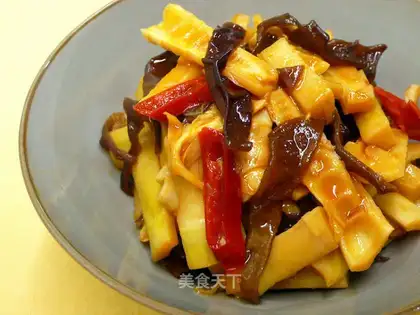
Bamboo shoots, the tender, sprouting culms of bamboo plants, have been a staple in Asian cuisines for millennia, prized for their crisp texture, subtle earthy flavor, and versatility in dishes ranging from stir-fries to soups. Beyond their culinary appeal, bamboo shoots—particularly Phyllostachys edulis, or "moso bamboo" (桂竹笋 in Chinese)—are increasingly recognized globally as a nutritional powerhouse. Low in calories yet rich in essential nutrients, fiber, and bioactive compounds, they offer a myriad of health benefits. However, like many natural foods, they must be consumed with caution due to potential antinutrients and specific dietary considerations. This article explores the nutritional profile, health benefits, and precautions associated with bamboo shoots, providing a comprehensive guide for incorporating this unique ingredient into a balanced diet.
I. Nutritional Profile of Bamboo Shoots
Bamboo shoots are a nutritional paradox: they are remarkably low in calories yet packed with vitamins, minerals, and fiber, making them an ideal food for weight management and overall health. A 100-gram serving of raw bamboo shoots contains approximately 20–30 calories, 2–3 grams of protein, and less than 1 gram of fat, with carbohydrates accounting for the majority of calories (around 5–7 grams). However, their true value lies in their micronutrient and fiber content.
1. Essential Vitamins
Bamboo shoots are a good source of several B vitamins, which play critical roles in energy metabolism and nervous system function. Notably, they contain:
- Vitamin B6: Important for brain development and neurotransmitter synthesis, with 100 grams providing about 0.1 milligrams (around 8% of the daily recommended intake).
- Niacin (Vitamin B3): Supports digestive, skin, and nerve health; bamboo shoots offer roughly 1.2 milligrams per 100 grams (7% of daily needs).
- Folate (Vitamin B9): Essential for DNA synthesis and cell growth, with 100 grams contributing approximately 20 micrograms (5% of daily intake).
They also contain small amounts of vitamin C (around 2–3 milligrams per 100 grams), which supports immune function and collagen production, though this content increases slightly with cooking.
2. Key Minerals
The mineral content of bamboo shoots is particularly impressive, with several minerals critical for bodily function:
- Potassium: A 100-gram serving provides roughly 500 milligrams of potassium, helping regulate blood pressure and fluid balance.
- Copper: Essential for iron absorption and antioxidant defense, bamboo shoots offer about 0.1 milligrams per 100 grams (11% of daily needs).
- Manganese: Plays a role in bone formation, metabolism, and antioxidant protection; 100 grams contain roughly 0.5 milligrams (25% of daily intake).
- Magnesium and Phosphorus: Both minerals support muscle function, bone health, and energy production, with bamboo shoots contributing 10–15% of the daily recommended intake for each per 100 grams.
3. Dietary Fiber
Bamboo shoots are an excellent source of dietary fiber, particularly insoluble fiber, which aids digestion and promotes gut health. A 100-gram serving contains 2–3 grams of fiber, about 10–12% of the daily recommended intake. Fiber adds bulk to stool, prevents constipation, and feeds beneficial gut bacteria, fostering a healthy microbiome.
4. Antioxidants and Bioactive Compounds
Bamboo shoots are rich in antioxidants, including phenolic acids, flavonoids, and lignans, which help neutralize harmful free radicals and reduce oxidative stress. These compounds have been linked to a lower risk of chronic diseases such as heart disease, diabetes, and certain cancers. Additionally, bamboo shoots contain bamboo shoot protein (BSP), a plant-based protein with all essential amino acids, though in smaller quantities than animal proteins.
II. Health Benefits of Bamboo Shoots
The combination of nutrients and bioactive compounds in bamboo shoots confers a range of health benefits, from improved digestion to reduced inflammation.
1. Supports Weight Management
Bamboo shoots are low in calories and high in fiber, making them an excellent food for weight control. The fiber promotes satiety, reducing overall calorie intake by keeping you feeling full longer. Studies suggest that high-fiber diets are associated with lower body weight and reduced risk of obesity.
2. Promotes Digestive Health
The insoluble fiber in bamboo shoots acts as a natural laxative, stimulating bowel movements and preventing constipation. Additionally, the fiber serves as a prebiotic, nourishing beneficial gut bacteria like Lactobacillus and Bifidobacterium, which enhance gut barrier function and reduce inflammation in the digestive tract. A healthy gut microbiome is linked to improved immunity, mood, and even metabolic health.
3. Regulates Blood Sugar Levels
Bamboo shoots have a low glycemic index (GI), meaning they cause a slow, gradual rise in blood sugar levels after consumption. This is beneficial for individuals with diabetes or those at risk of developing the condition. The fiber in bamboo shoots also slows carbohydrate absorption, further stabilizing blood sugar. Animal studies have shown that bamboo shoot extracts can improve insulin sensitivity and reduce blood glucose levels, though more human research is needed.
4. Enhances Heart Health
The potassium in bamboo shoots helps counteract the effects of sodium, lowering blood pressure and reducing the risk of hypertension—a major risk factor for heart disease. Additionally, the fiber and antioxidants in bamboo shoots may help lower LDL ("bad") cholesterol and prevent the oxidation of cholesterol, a key step in the development of atherosclerosis. The presence of lignans, which have anti-inflammatory properties, further supports cardiovascular health by reducing arterial inflammation.
5. Boosts Immunity
While not a "superfood" in the traditional sense, bamboo shoots contribute to immune function through their vitamin C, copper, and antioxidant content. Vitamin C stimulates the production of white blood cells, which are critical for fighting infections, while copper supports the activity of enzymes involved in immune defense. The phenolic compounds in bamboo shoots also exhibit antimicrobial properties, helping the body resist pathogens.
6. Anti-Inflammatory and Anticancer Potential
The antioxidants and bioactive compounds in bamboo shoots possess potent anti-inflammatory effects, which may help reduce the risk of chronic inflammatory diseases such as arthritis, inflammatory bowel disease, and even cancer. Studies have shown that bamboo shoot extracts can inhibit the production of pro-inflammatory cytokines (e.g., TNF-α and IL-6) and reduce oxidative stress in cells. Additionally, lignans and phenolic acids have been linked to apoptosis (programmed cell death) in cancer cells, though more research is needed to confirm these effects in humans.
III. Precautions and Potential Side Effects
Despite their many benefits, bamboo shoots must be prepared and consumed with care due to the presence of antinutrients and toxic compounds.
1. Cyanide Toxicity in Raw Bamboo Shoots
Raw bamboo shoots contain cyanogenic glycosides, such as taxiphyllin, which release hydrogen cyanide—a toxic compound—when broken down by enzymes in the plant. Consuming large quantities of raw or improperly prepared bamboo shoots can lead to cyanide poisoning, symptoms of which include headache, dizziness, nausea, vomiting, and in severe cases, respiratory failure or death.
Precaution: Bamboo shoots must be cooked thoroughly to destroy cyanogenic glycosides. Boiling, steaming, or fermenting reduces cyanide levels by 70–90%. Traditional methods involve soaking bamboo shoots in water for several hours (changing the water frequently) before boiling them for at least 15–20 minutes. Canned bamboo shoots are safe to eat as they undergo extensive processing to remove toxins.
2. Antinutrients That Reduce Mineral Absorption
Bamboo shoots contain phytic acid and oxalic acid, which can bind to minerals like iron, calcium, and zinc, reducing their absorption in the body. While this is not a concern for most people with balanced diets, individuals with mineral deficiencies (e.g., iron-deficiency anemia) should consume bamboo shoots in moderation and pair them with vitamin C-rich foods (e.g., citrus fruits, bell peppers) to enhance mineral absorption.
Precaution: Soaking and cooking reduce phytic acid levels. Limit consumption to 1–2 servings per week to minimize mineral absorption interference.
3. Allergic Reactions
While rare, some individuals may be allergic to bamboo shoots, particularly those with allergies to other grasses (e.g., wheat, rice) or plant-based foods. Symptoms of a bamboo shoot allergy include itching, hives, swelling, or difficulty breathing.
Precaution: Individuals with known plant allergies should avoid bamboo shoots or consult a healthcare provider before consuming them.
4. Interaction with Medications
Bamboo shoots may interact with certain medications, particularly blood thinners (e.g., warfarin). The vitamin K in bamboo shoots (though in small amounts) can counteract the effects of anticoagulants, potentially increasing the risk of blood clots.
Precaution: Individuals taking blood thinners should consume bamboo shoots in moderation and maintain consistent intake to avoid fluctuations in vitamin K levels.
IV. How to Select, Prepare, and Cook Bamboo Shoots
To safely enjoy bamboo shoots, follow these guidelines for selection, preparation, and cooking:
1. Selection
- Fresh bamboo shoots: Choose shoots with firm, pale yellow or white flesh, intact outer layers, and no signs of mold or discoloration. Avoid shoots with a strong, bitter smell, as this indicates improper handling or spoilage.
- Canned bamboo shoots: Opt for brands with no added salt or preservatives. Rinse canned shoots thoroughly before use to remove excess sodium.
- Frozen bamboo shoots: These are a convenient alternative and retain most nutrients if properly processed.
2. Preparation
- Soaking: Soak fresh bamboo shoots in cold water for 12–24 hours, changing the water every 4–6 hours to leach out cyanogenic glycosides and bitterness.
- Boiling: After soaking, boil the shoots in salted water for 15–20 minutes, then drain and rinse again. This step ensures complete toxin removal.
3. Cooking Methods
Bamboo shoots are versatile and can be used in a variety of dishes:
- Stir-fries: Slice boiled bamboo shoots and stir-fry with vegetables, tofu, or meat for a crisp, flavorful dish.
- Soups and stews: Add bamboo shoots to miso soup, ramen, or chicken broth for added texture and nutrients.
- Pickling: Marinate boiled bamboo shoots in vinegar, sugar, and spices for a tangy, probiotic-rich side dish.
- Grilling or roasting: Toss bamboo shoots with oil and spices, then grill or roast for a smoky, caramelized flavor.
V. Conclusion
Bamboo shoots are a nutritional and culinary gem, offering a low-calorie, high-fiber, and nutrient-dense addition to any diet. Their rich vitamin, mineral, and antioxidant content supports weight management, digestive health, blood sugar regulation, and heart health, among other benefits. However, their potential toxicity when raw and the presence of antinutrients require careful preparation and moderation. By soaking, boiling, and cooking bamboo shoots thoroughly—and being mindful of individual dietary needs—anyone can safely incorporate this versatile ingredient into their meals. Whether in a traditional Asian stir-fry or a modern salad, bamboo shoots are a delicious way to boost nutrition while exploring global flavors. As research continues to uncover their health-promoting properties, bamboo shoots are poised to become a staple in diets worldwide, proving that nature’s simplest ingredients often hold the greatest power.