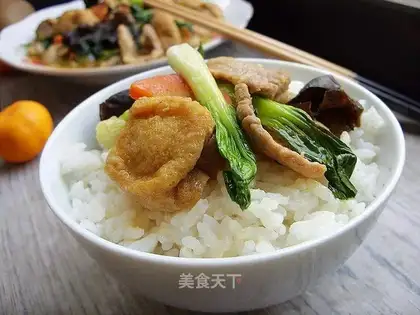
In the realm of leafy green vegetables, black oilseed rape (Brassica napus var. pabularia) stands out as an unsung hero. Often overshadowed by its more common relatives like bok choy or kale, this dark, leafy green boasts a rich nutritional profile, distinctive flavor, and a host of health benefits. Cultivated primarily for its seeds, which are pressed into oil, the leaves and young stems of black oilseed rape are also consumed as a vegetable, particularly in East Asian and European cuisines. With its deep purple-green leaves, earthy taste, and impressive concentration of vitamins, minerals, and bioactive compounds, black oilseed rape is a valuable addition to a balanced diet. This article explores its nutritional value, health benefits, potential risks, and practical tips for consumption, shedding light on why this humble green deserves a place in your kitchen.
Nutritional Value: A Concentrated Source of Essential Nutrients
Black oilseed rape is a nutritional powerhouse, packing a wide array of vitamins, minerals, antioxidants, and dietary fiber into every serving. A 100-gram portion of fresh black oilseed rape leaves (approximately 1.5 cups, chopped) contains roughly:
- Vitamins:
- Vitamin K: ~500–600 micrograms (mcg), exceeding the daily recommended intake (DRI) of 90 mcg for women and 120 mcg for men. Vitamin K is critical for blood clotting and bone metabolism.
- Vitamin A (as beta-carotene): ~6,000–8,000 international units (IU), supporting vision, immune function, and cell growth.
- Vitamin C: ~30–40 mg, meeting 33–44% of the DRI (75 mg for women, 90 mg for men). This antioxidant boosts immunity, collagen synthesis, and iron absorption.
- Folate (Vitamin B9): ~100–150 mcg, or 25–38% of the DRI (400 mcg). Folate is essential for DNA repair and fetal development.
- Vitamin E: ~1.5–2 mg, acting as a fat-soluble antioxidant that protects cells from oxidative damage.
- Minerals:
- Calcium: ~150–200 mg, comparable to dairy products per calorie. Calcium is vital for bone health and muscle function.
- Iron: ~1.5–2 mg, with non-heme iron enhanced by vitamin C for better absorption. Iron supports oxygen transport and energy production.
- Potassium: ~300–400 mg, helping regulate blood pressure and fluid balance.
- Magnesium: ~30–40 mg, involved in over 300 enzymatic reactions, including energy metabolism and muscle relaxation.
- Manganese: ~0.3–0.4 mg, a trace mineral that supports bone formation and antioxidant defense.
- Bioactive Compounds:
- Glucosinolates: Sulfur-containing compounds unique to cruciferous vegetables (e.g., broccoli, cabbage). When chewed, these convert to isothiocyanates, which have anti-inflammatory, antimicrobial, and potential anti-cancer properties.
- Anthocyanins: The pigments responsible for the dark purple-green hue, anthocyanins are potent antioxidants that combat oxidative stress and reduce inflammation.
- Dietary Fiber: ~2–3 grams per 100 grams, promoting digestive health, satiety, and stable blood sugar levels.
- Macronutrients:
- Protein: ~2–3 grams, with a balanced amino acid profile, making it a valuable plant-based protein source.
- Carbohydrates: ~4–5 grams, mostly fiber and natural sugars, with a low glycemic index.
- Fat: ~0.5 gram, primarily heart-healthy unsaturated fats.
This nutrient density makes black oilseed rape an excellent choice for individuals seeking to boost their intake of vitamins, minerals, and antioxidants without excessive calories.
Health Benefits: From Disease Prevention to Wellness Support
The combination of nutrients and bioactive compounds in black oilseed rape confers a range of health benefits, backed by scientific research.
1. Supports Bone Health
Black oilseed rape is exceptionally rich in vitamin K and calcium, two nutrients crucial for maintaining strong bones. Vitamin K activates osteocalcin, a protein that binds calcium to the bone matrix, while calcium provides the structural material. Regular consumption may reduce the risk of osteoporosis, particularly in postmenopausal women, who are prone to bone density loss.
2. Enhances Immune Function
The high levels of vitamin C and vitamin A in black oilseed rape play key roles in immune defense. Vitamin C stimulates the production and function of white blood cells, while vitamin A maintains the integrity of mucosal surfaces (e.g., respiratory and digestive tracts), acting as a barrier against pathogens. Additionally, the antioxidants in the green vegetables help neutralize free radicals, reducing inflammation and supporting overall immune resilience.
3. Promotes Heart Health
Several compounds in black oilseed rape contribute to cardiovascular health:
- Potassium helps counteract the effects of sodium, lowering blood pressure.
- Fiber binds to cholesterol in the digestive system, reducing its absorption and lowering LDL (“bad”) cholesterol.
- Antioxidants (e.g., anthocyanins and vitamin E) prevent oxidative damage to blood vessels, reducing the risk of atherosclerosis.
Studies suggest that regular consumption of cruciferous vegetables is associated with a lower risk of heart disease, and black oilseed rape is no exception.
4. Aids in Digestion and Weight Management
The fiber in black oilseed rape adds bulk to stool, promoting regular bowel movements and preventing constipation. It also acts as a prebiotic, feeding beneficial gut bacteria and supporting a healthy microbiome. For weight management, the high fiber and water content increase satiety, reducing overall calorie intake. The low calorie density (just ~20–30 calories per 100 grams) makes it an ideal food for weight loss or maintenance diets.
5. Potential Anti-Cancer Properties
Glucosinolates in black oilseed rape break down into isothiocyanates (e.g., sulforaphane), which have been extensively studied for their anti-cancer effects. These compounds inhibit the growth of cancer cells, induce apoptosis (programmed cell death), and block the formation of tumors. Research links cruciferous vegetable consumption to a reduced risk of lung, breast, colon, and prostate cancers. While more human studies are needed, the evidence so far is promising.
6. Regulates Blood Sugar
The fiber and low glycemic index of black oilseed rape help stabilize blood sugar levels by slowing the absorption of glucose. This is particularly beneficial for individuals with diabetes or those at risk of developing the condition. Additionally, magnesium in the green vegetable improves insulin sensitivity, allowing cells to use glucose more efficiently.
Potential Risks and Precautions
While black oilseed rape is highly nutritious, it is important to consume it in moderation and be aware of potential risks, especially for certain populations.
1. Goitrogenic Compounds
Like other cruciferous vegetables (e.g., broccoli, spinach), black oilseed rape contains goitrogens—substances that can interfere with thyroid function by inhibiting the uptake of iodine. This is generally not a concern for individuals with healthy thyroid glands who consume a balanced diet. However, those with iodine deficiency or pre-existing thyroid conditions (e.g., hypothyroidism) should limit their intake and cook the greens thoroughly, as heat reduces goitrogen activity.
2. Oxalates
Black oilseed rape contains oxalates, naturally occurring compounds that can bind to calcium and form oxalate stones in the kidneys. Individuals with a history of kidney stones should avoid consuming large amounts of raw or lightly cooked black oilseed rape. Cooking the greens can reduce oxalate levels by 10–15%.
3. Pesticide Residues
As a non-organic crop, black oilseed rape may be treated with pesticides, which can accumulate in the leaves. To minimize exposure, choose organic varieties when possible, or wash the greens thoroughly under running water to remove residues.
4. Blood Thinning Effects
Due to its high vitamin K content, black oilseed rape can interfere with blood-thinning medications (e.g., warfarin). Individuals taking such medications should maintain consistent vitamin K intake and consult their healthcare provider before adding large amounts of the greens to their diet.
Culinary Uses and Tips for Consumption
Black oilseed rape is a versatile vegetable that can be incorporated into a variety of dishes. Its flavor is earthy and slightly bitter, with a texture similar to kale or Swiss chard. Here are some popular ways to enjoy it:
1. Cooking Methods
- Stir-frying: A common method in Asian cuisine. Sauté the leaves and stems with garlic, ginger, and a splash of soy sauce for a quick and flavorful side dish.
- Steaming: Lightly steaming preserves nutrients and reduces bitterness. Serve with a drizzle of olive oil and lemon juice.
- Soups and Stews: Add chopped leaves to soups, stews, or curries for a nutrient boost. They wilt quickly and add a vibrant color.
- Blanching: Briefly blanch the greens in boiling water, then plunge them into ice water to retain their crunch. Toss with vinaigrette for a salad.
- Smoothies: Blend a small handful of raw leaves into smoothies with fruits (e.g., bananas, berries) and yogurt to mask the bitterness.
2. Pairings
Black oilseed rape pairs well with:
- Proteins: Tofu, chicken, fish, or beans.
- Aromatics: Garlic, ginger, onions, and shallots.
- Seasonings: Soy sauce, sesame oil, lemon juice, and chili flakes.
- Grains: Rice, quinoa, or noodles.
3. Selection and Storage
Choose leaves that are dark green or purple-green, crisp, and free from yellowing or wilting. Store unwashed leaves in a plastic bag in the refrigerator for up to 5 days. For longer storage, blanch and freeze the greens.
Conclusion
Black oilseed rape is a nutritional powerhouse that offers a wealth of health benefits, from supporting bone and immune health to reducing the risk of chronic diseases. Its rich content of vitamins, minerals, antioxidants, and fiber makes it a valuable addition to any diet. While precautions are necessary for individuals with thyroid issues, kidney problems, or those on blood-thinning medications, most people can safely enjoy this versatile green as part of a balanced diet. Whether stir-fried, steamed, or blended into a smoothie, black oilseed rape is a delicious and nutrient-dense way to enhance your overall well-being. As the saying goes, “let food be thy medicine,” and black oilseed rape is a shining example of how simple, whole foods can powerfully support health.