Introduction
In the diverse world of vegetables, chayote (Sechium edule), known as “节瓜” in Chinese, stands out as a humble yet nutritionally remarkable crop. With its mild flavor, crisp texture, and adaptability to various cuisines, chayote has been a staple in diets across tropical and subtropical regions for centuries. Native to Mesoamerica and now widely cultivated in Asia, Africa, and the Americas, this pear-shaped green vegetable belongs to the Cucurbitaceae family, alongside cucumbers and squash. While often overlooked in mainstream nutritional discussions, chayote is a low-calorie, nutrient-dense food offering a wealth of health benefits. This article explores the nutritional profile of chayote, its evidence-based health benefits, potential precautions for consumption, and its role in a balanced diet.
Nutritional Profile of Chayote
Chayote’s nutritional value lies in its unique combination of vitamins, minerals, fiber, and antioxidants, all while being exceptionally low in calories. A 100-gram serving of raw chayote contains approximately:
- Calories: 16–20 kcal, making it an ideal food for weight management.
- Carbohydrates: 4–5 grams, mostly in the form of dietary fiber and natural sugars.
- Protein: 0.7–1 gram, a modest but notable contribution for a vegetable.
- Fat: Negligible (less than 0.1 gram), chayote is virtually fat-free.
- Dietary Fiber: 1.5–2 grams, promoting digestive health and satiety.
- Vitamins:
- Vitamin C: 7–10 mg (12–17% of the Daily Value, DV), a potent antioxidant that supports immune function and skin health.
- Folate (Vitamin B9): 10–15 mcg (3–4% DV), essential for cell division and fetal development.
- Vitamin K: 2–3 mcg (2–3% DV), critical for blood clotting and bone metabolism.
- Vitamin B6: 0.05–0.1 mg (3–5% DV), involved in brain development and neurotransmitter synthesis.
- Minerals:
- Potassium: 125–150 mg (3–4% DV), regulates blood pressure and fluid balance.
- Manganese: 0.1–0.15 mg (5–7% DV), supports bone health and antioxidant enzyme function.
- Copper: 0.05–0.1 mg (5–6% DV), aids in iron absorption and energy production.
- Zinc: 0.1–0.15 mg (1–2% DV), supports immune function and wound healing.
- Antioxidants: Chayote contains flavonoids (such as quercetin and kaempferol), phenolic acids, and carotenoids (like beta-carotene), which combat oxidative stress and reduce inflammation.
This balanced nutritional composition makes chayote a valuable addition to diets aimed at preventing chronic diseases, maintaining healthy weight, and supporting overall well-being.
Health Benefits of Chayote
1. Supports Digestive Health
Chayote’s high fiber content is a key driver of its digestive benefits. Fiber adds bulk to stool, promoting regular bowel movements and preventing constipation. Additionally, soluble fiber in chayote acts as a prebiotic, nourishing beneficial gut bacteria and improving gut microbiota balance. A healthy gut microbiome is linked to better digestion, enhanced immune function, and reduced risk of gastrointestinal disorders like irritable bowel syndrome (IBS). For individuals with sensitive digestive systems, chayote’s mild, non-irritating nature makes it easier to digest compared to other high-fiber vegetables.
2. Aids in Weight Management
With its low calorie density and high water content (over 90%), chayote is an excellent food for weight control. The fiber and water in chayote increase satiety, reducing overall calorie intake by curbing hunger. Studies show that low-energy-density foods like chayote can help individuals maintain a healthy weight or lose weight without feeling deprived. Furthermore, chayote’s natural sweetness satisfies cravings for sugary snacks, making it a healthier alternative for those trying to reduce added sugar consumption.
3. Regulates Blood Pressure and Cardiovascular Health
Chayote is a good source of potassium, a mineral that plays a vital role in regulating blood pressure. Potassium counteracts the effects of sodium, helping to relax blood vessels and reduce strain on the cardiovascular system. Research indicates that a potassium-rich diet can lower systolic and diastolic blood pressure, reducing the risk of hypertension and stroke. Additionally, chayote’s antioxidants, such as quercetin, have anti-inflammatory properties that protect blood vessels from oxidative damage, further supporting heart health.
4. Supports Immune Function
Vitamin C is well-known for its immune-boosting properties, and chayote provides a modest but significant amount of this nutrient. Vitamin C stimulates the production and function of white blood cells, which are critical for fighting infections. It also acts as an antioxidant, neutralizing free radicals that can weaken the immune system. For individuals with vitamin C deficiencies, regular consumption of chayote can help prevent common illnesses like colds and flu.
5. Promotes Skin Health
The combination of vitamin C, vitamin K, and antioxidants in chayote makes it beneficial for skin health. Vitamin C is essential for collagen synthesis, a protein that maintains skin elasticity and prevents wrinkles. Antioxidants like quercetin protect skin cells from UV damage and environmental pollutants, reducing signs of aging. Vitamin K, on the other hand, helps with blood clotting, which can accelerate wound healing and reduce bruising. For those looking to improve skin radiance, chayote’s nutrients offer a natural and gentle solution.
6. May Help Manage Diabetes
Chayote’s low glycemic index (GI) and high fiber content make it a suitable food for individuals with diabetes or those at risk of developing the condition. Fiber slows down the absorption of sugar in the bloodstream, preventing spikes in blood glucose levels. A 2018 study published in the Journal of Medicinal Food found that extracts from chayote peel improved insulin sensitivity in diabetic rats, suggesting potential benefits for blood sugar regulation in humans. While more research is needed, these findings highlight chayote’s role in a diabetes-friendly diet.
7. Supports Bone Health
Chayote contains several minerals essential for bone health, including manganese, vitamin K, and calcium. Manganese is a cofactor for enzymes involved in bone formation and maintenance, while vitamin K regulates calcium deposition in bones, reducing the risk of osteoporosis. Although chayote is not a rich source of calcium, its combination of bone-supporting nutrients makes it a valuable addition to diets aimed at preserving bone density, especially in older adults.
Precautions and Potential Side Effects
While chayote is generally safe for most people, there are a few precautions to keep in mind:
1. Allergic Reactions
Although rare, some individuals may be allergic to chayote, especially those with allergies to other cucurbit vegetables like cucumbers or zucchini. Symptoms of an allergic reaction may include itching, hives, swelling, or difficulty breathing. If you experience these symptoms after consuming chayote, discontinue use and consult a healthcare provider.
2. Pregnancy and Breastfeeding
Chayote is safe for consumption during pregnancy and breastfeeding when eaten in moderation. However, pregnant women should avoid consuming large amounts of raw chayote, as some traditional beliefs suggest it may stimulate uterine contractions (though no scientific evidence supports this claim). Cooking chayote thoroughly eliminates any potential risks associated with raw consumption.
3. Interaction with Medications
Chayote’s high potassium content may interact with certain medications, particularly potassium-sparing diuretics and ACE inhibitors used to treat hypertension. Individuals taking these medications should consult their doctor before increasing their chayote intake to avoid hyperkalemia (high potassium levels), which can cause irregular heartbeats or muscle weakness.
4. Digestive Discomfort
While chayote’s fiber is beneficial for digestion, consuming large amounts may cause bloating, gas, or diarrhea in sensitive individuals. To minimize discomfort, start with small servings and gradually increase intake, ensuring adequate hydration to help fiber move through the digestive system.
5. Toxicity Concerns
Chayote belongs to the Cucurbitaceae family, which includes some toxic varieties (e.g., wild squash). However, commercially cultivated chayote is safe to eat. The leaves, stems, and roots of chayote contain cucurbitacins, toxic compounds that can cause nausea, vomiting, or diarrhea if consumed in large quantities. Always use only the fruit of chayote and avoid eating other parts of the plant unless confirmed safe by a reliable source.
Culinary Uses and Versatility
Chayote’s mild, slightly sweet flavor and crisp texture make it a versatile ingredient in a wide range of dishes. It can be eaten raw, steamed, boiled, grilled, stir-fried, or baked, and it pairs well with herbs, spices, and other vegetables. Here are some popular ways to incorporate chayote into your diet:
- Raw: Thinly sliced chayote can be added to salads or slaws for a crunchy texture.
- Steamed or Boiled: Steamed chayote makes a simple, healthy side dish, seasoned with lemon juice, olive oil, or herbs.
- Stir-fried: Chayote absorbs flavors well, making it ideal for stir-fries with garlic, ginger, and soy sauce.
- Grilled or Roasted: Grilled chayote slices develop a caramelized, smoky flavor, perfect for barbecues or as a side dish.
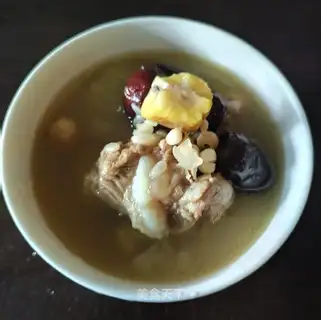
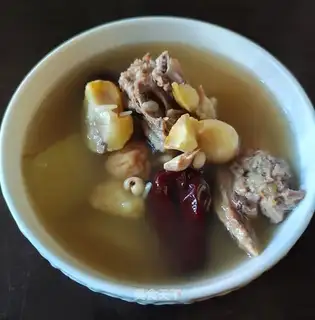
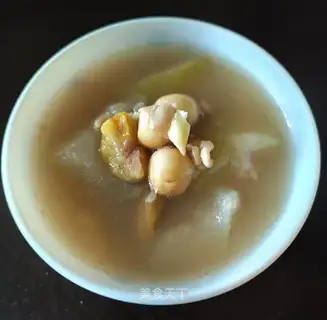
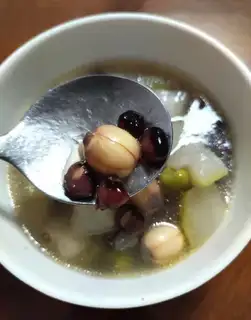
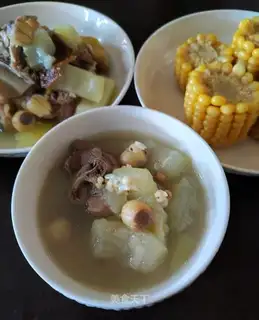
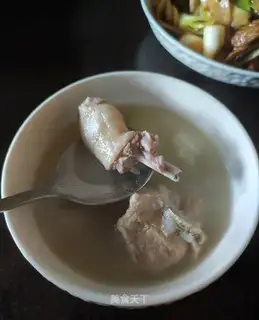
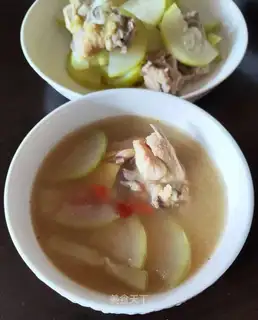
- Soups and Stews: Chayote adds bulk and nutrients to soups and stews, such as chicken and chayote soup or vegetable curry.
- Desserts: In some cultures, chayote is used in sweet dishes, such as chayote pie or candied chayote, due to its natural sweetness.
Conclusion
Chayote is a nutritional powerhouse that offers a wide range of health benefits, from supporting digestive health and weight management to regulating blood pressure and boosting immunity. Its low calorie density, high fiber content, and rich antioxidant profile make it an excellent choice for individuals seeking to improve their overall health. While generally safe, it is important to consume chayote in moderation and be aware of potential interactions or allergies.
Incorporating chayote into your diet is easy thanks to its culinary versatility. Whether eaten raw in a salad, steamed as a side dish, or added to a hearty stew, chayote is a delicious and nutritious way to enhance your meals. As research continues to uncover its potential health benefits, chayote is poised to gain recognition as a superfood, proving that humble vegetables can have a profound impact on health and well-being.
By embracing chayote as a regular part of your diet, you not only diversify your meals but also take a proactive step toward a healthier, more balanced lifestyle.