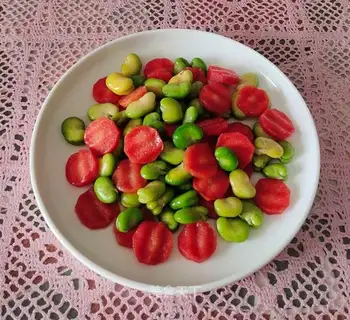
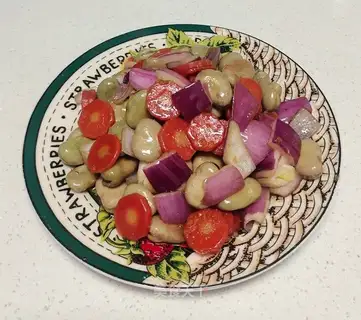
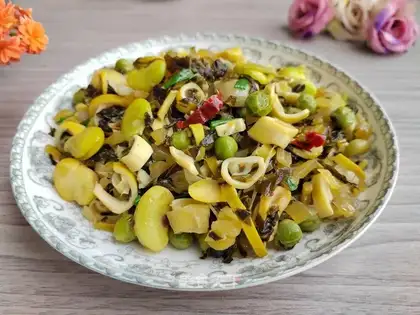
The broad bean, scientifically known as Vicia faba, is one of the oldest cultivated plants in the world, with a history tracing back over 8,000 years. Native to the Mediterranean and Middle East, this versatile legume has sustained civilizations through its hardiness, nutritional density, and culinary adaptability. Today, it goes by many names—fava bean, horse bean, or faba bean—and remains a staple in global cuisines, from Mediterranean stews to Asian stir-fries. Beyond its cultural significance, the broad bean is a nutritional powerhouse, offering a wealth of vitamins, minerals, and plant compounds. However, like all foods, it must be consumed mindfully to avoid potential risks. This article explores the nutritional profile, health benefits, and precautions associated with broad beans, providing a comprehensive guide to incorporating this ancient legume into a modern diet.
Nutritional Profile: A Treasure Trove of Essential Nutrients
Broad beans are a nutritional standout, particularly for their protein, fiber, and micronutrient content. A 100-gram serving of cooked broad beans (without salt) provides approximately:
- Calories: 88 kcal
- Protein: 7.6 grams—comparable to meat and dairy, making it an excellent plant-based protein source for vegetarians and vegans.
- Dietary Fiber: 5 grams, promoting digestive health and satiety.
- Carbohydrates: 13 grams, with a low glycemic index (GI), ensuring gradual energy release.
- Fats: 0.4 grams, mostly heart-healthy unsaturated fats.
Micronutrients: A Concentrated Source of Vitamins and Minerals
Broad beans are particularly rich in essential micronutrients that play critical roles in bodily functions:
- Folate (Vitamin B9): With 106 micrograms (mcg) per 100 grams—over 25% of the daily recommended intake—broad beans are a top plant-based source of folate. Folate is vital for DNA synthesis, cell division, and fetal development, reducing the risk of neural tube defects during pregnancy.
- Manganese: A trace mineral that acts as a cofactor for enzymes involved in metabolism, bone formation, and antioxidant defense. A 100-gram serving provides 0.5 mg, or 25% of the daily value.
- Copper: Essential for iron absorption, energy production, and brain health. Broad beans offer 0.2 mg per 100 grams, contributing to daily copper needs.
- Magnesium: Critical for muscle function, nerve signaling, and blood pressure regulation. One serving provides 43 mg, or 10% of the daily value.
- Iron: Broad beans contain 1.5 mg of non-heme iron per 100 grams, which is vital for oxygen transport in the blood. While non-heme iron is less easily absorbed than heme iron (from animal sources), pairing broad beans with vitamin C-rich foods (e.g., bell peppers, citrus) enhances absorption.
- Vitamin K: Important for blood clotting and bone health, with 5.4 mcg per 100 grams.
- Vitamin B6: Supports metabolism, immune function, and neurotransmitter production, with 0.1 mg per 100 grams.
Bioactive Compounds: Beyond Basic Nutrition
Broad beans also contain unique bioactive compounds that contribute to their health benefits:
- L-DOPA (Levodopa): A precursor to dopamine, a neurotransmitter that regulates mood, movement, and motivation. Broad beans are one of the richest natural sources of L-DOPA, making them of interest for neurological health.
- Tannins and Flavonoids: Antioxidants that combat oxidative stress by neutralizing free radicals, reducing inflammation, and protecting against chronic diseases.
- Fiber and Resistant Starch: These compounds act as prebiotics, feeding beneficial gut bacteria and promoting a healthy microbiome.
Health Benefits: How Broad Beans Support Well-being
The combination of macronutrients, micronutrients, and bioactive compounds in broad beans confers a range of health benefits, from heart health to cognitive function.
1. Supports Heart Health
Cardiovascular disease is a leading global cause of death, and broad beans can play a protective role. Their high fiber content lowers LDL (“bad”) cholesterol by binding to it in the digestive system and promoting its excretion. Additionally, broad beans are rich in potassium (a mineral that balances sodium levels and regulates blood pressure) and low in sodium, a combination that reduces hypertension risk. The flavonoids in broad beans also improve blood vessel elasticity, enhancing blood flow and reducing arterial plaque buildup.
2. Regulates Blood Sugar Levels
With a low glycemic index (GI) of ~40, broad beans cause a gradual rise in blood sugar, making them ideal for individuals with diabetes or insulin resistance. The fiber and resistant starch in broad beans slow carbohydrate digestion, preventing spikes in blood glucose and insulin. A 2014 study published in Archives of Medical Research found that regular legume consumption (including broad beans) improved glycemic control and reduced HbA1c levels (a marker of long-term blood sugar control) in diabetic patients.
3. Enhances Digestive Health
The fiber in broad beans acts as a natural laxative, preventing constipation and promoting regular bowel movements. Moreover, resistant starch and oligosaccharides (a type of fiber) ferment in the colon, producing short-chain fatty acids (SCFAs) like butyrate. SCFAs nourish colon cells, reduce inflammation, and may lower the risk of colorectal cancer. A 2020 review in Nutrients highlighted that legume fiber intake is associated with a reduced risk of diverticulitis and inflammatory bowel disease (IBD).
4. Boosts Immune Function
Broad beans are a good source of zinc (0.8 mg per 100 grams) and vitamin C (1.4 mg per 100 grams), both critical for immune health. Zinc supports the development and function of immune cells, while vitamin C acts as an antioxidant, protecting immune cells from oxidative damage. Additionally, folate in broad beans aids in the production of white blood cells, which are essential for fighting infections.
5. Supports Brain Health and Neurological Function
The L-DOPA content in broad beans makes them unique in the plant kingdom. L-DOPA is a precursor to dopamine, a neurotransmitter that declines in conditions like Parkinson’s disease, leading to tremors, rigidity, and impaired movement. While broad beans are not a treatment for Parkinson’s, they may help support dopamine production. A small study in Journal of Neurology found that Parkinson’s patients who consumed broad beans experienced improved motor function due to increased L-DOPA levels. Additionally, choline (a nutrient found in broad beans) supports brain development and memory.
6. Promotes Weight Management
Broad beans are low in calories but high in protein and fiber, a combination that promotes satiety and reduces overall calorie intake. Protein increases the thermic effect of food (the energy expended during digestion), while fiber slows gastric emptying, keeping you full longer. A 2019 study in Appetite found that participants who ate high-fiber legumes reported reduced hunger and lower subsequent calorie intake compared to those who consumed refined carbohydrates.
7. Supports Pregnancy and Fetal Development
Folate is critical during pregnancy to prevent neural tube defects (e.g., spina bifida) in developing fetuses. The World Health Organization (WHO) recommends 400 mcg of folate daily for pregnant women, and one serving of broad beans provides over 25% of this need. Additionally, iron in broad beans supports increased blood volume during pregnancy, preventing anemia—a common complication that can lead to fatigue and low birth weight.
食用禁忌 (Precautions and Potential Risks)
While broad beans are highly nutritious, they contain compounds that may cause adverse effects in certain individuals. Understanding these risks is key to safe consumption.
1. Broad Bean Allergy
Broad bean allergy is relatively uncommon but can be severe, particularly in children. Symptoms range from mild (hives, itching) to life-threatening (anaphylaxis, difficulty breathing). Individuals with a known allergy should avoid broad beans entirely. Cross-reactivity with other legumes (e.g., peanuts, soybeans) is possible, so caution is advised.
2. G6PD Deficiency (Favism)
The most significant risk associated with broad beans is favism, a hemolytic disorder affecting individuals with glucose-6-phosphate dehydrogenase (G6PD) deficiency. G6PD is an enzyme that protects red blood cells from oxidative damage. When people with this deficiency consume broad beans (or inhale their pollen), the vicine and convicine (compounds in broad beans) trigger oxidative stress, causing red blood cells to rupture (hemolysis). Symptoms include:
- Fatigue and weakness
- Jaundice (yellowing of the skin/eyes)
- Dark urine
- Shortness of breath
Favism is most common in Mediterranean, African, and Asian populations, where G6PD deficiency is prevalent. Individuals with a family history of G6PD deficiency should avoid broad beans unless cleared by a healthcare provider.
3. Digestive Discomfort
Broad beans contain oligosaccharides (e.g., raffinose, stachyose), complex sugars that are poorly digested by humans. These sugars ferment in the colon, producing gas and causing bloating, flatulence, or abdominal pain. Soaking dried broad beans overnight and discarding the soaking water can reduce oligosaccharide levels. Cooking beans thoroughly also improves digestibility.
4. Drug Interactions
Broad beans contain L-DOPA, which may interact with medications for Parkinson’s disease. For example, combining broad beans with L-DOPA drugs can lead to excessive dopamine levels, causing nausea, dizziness, or confusion. Individuals taking Parkinson’s medications should consult their doctor before consuming broad beans regularly.
5. Purine Content
Broad beans are moderate in purines (compounds that break down into uric acid). People with gout or hyperuricemia (high uric acid levels) should limit their intake, as purines can trigger gout attacks by increasing uric acid crystals in the joints.
How to Incorporate Broad Beans into Your Diet
Broad beans are versatile and can be enjoyed in numerous ways:
- Fresh or Frozen: Young, tender broad beans (fava beans) can be eaten raw in salads, blanched for a crisp texture, or sautéed with garlic and olive oil.
- Dried: Dried broad beans require soaking and cooking but are a cost-effective option. They can be added to soups, stews, or curries.
- Mashed: Cooked broad beans can be mashed into a dip (similar to hummus) or spread on toast.
- Fermented: In some cultures, broad beans are fermented into products like tempeh or doubanjiang (a Chinese chili paste).
For optimal nutrition, pair broad beans with vitamin C-rich foods (e.g., lemon juice, tomatoes) to enhance iron absorption. To reduce gas, soak dried beans overnight, discard the soaking water, and cook them with a pinch of baking soda (which breaks down oligosaccharides).
Conclusion
The broad bean is a nutritional and culinary gem, offering a unique blend of protein, fiber, vitamins, and bioactive compounds that support heart health, blood sugar regulation, digestion, and brain function. Its versatility in global cuisines—from Egyptian ful medames to Italian pasta e fagioli—makes it an easy addition to any diet. However, it is not without risks: individuals with G6PD deficiency, allergies, or gout must exercise caution. By understanding its benefits and precautions, we can harness the power of this ancient legume to promote health and well-being, bridging the gap between tradition and modern nutrition. As we rediscover the wisdom of ancestral foods, the broad bean stands as a testament to the idea that the simplest ingredients often hold the greatest power.