In the world of culinary and wellness, sprouts have long been celebrated as nutritional dynamos, packed with enzymes, vitamins, and minerals. Among them, black bean sprouts (Vigna mungo L.), derived from germinated black gram (urad dal), stand out for their unique flavor profile and exceptional health benefits. While often overshadowed by their mung bean or alfalfa counterparts, black bean sprouts are a nutritional treasure trove, offering a wealth of advantages—from boosting immunity to supporting heart health. However, like all foods, they must be consumed wisely to avoid potential risks. This article delves into the nutritional composition, health benefits, and precautions associated with black bean sprouts, providing a comprehensive guide for incorporating them into a balanced diet.
I. Nutritional Profile of Black Bean Sprouts
Black bean sprouts are a low-calorie, nutrient-dense food, making them an ideal addition to weight management diets and healthy eating plans. Their nutritional value amplifies significantly during the germination process, as enzymes break down complex nutrients into more bioavailable forms.
1. Macronutrients
A 100-gram serving of raw black bean sprouts contains approximately:
- Calories: 30–35 kcal, making them a light yet satisfying option.
- Protein: 3–4 grams, including essential amino acids like lysine and methionine, crucial for muscle repair and growth.
- Carbohydrates: 5–6 grams, mostly in the form of dietary fiber (1.5–2 grams) and simple sugars, providing sustained energy without blood sugar spikes.
- Fat: Less than 0.5 grams, nearly all of which are heart-healthy unsaturated fats.
2. Micronutrients
Black bean sprouts are a rich source of vitamins and minerals, many of which are enhanced during germination:
- Vitamin C: A potent antioxidant (10–15 mg per 100g), boosting immune function and skin health.
- Vitamin K: Essential for blood clotting and bone metabolism (≈30–40% of the Daily Value, DV).
- Folate (Vitamin B9): Critical for cell division and DNA synthesis (≈25% DV), particularly important during pregnancy.
- Iron: Non-heme iron (≈1.5 mg per 100g), which supports oxygen transport in the blood and helps prevent anemia.
- Potassium: Regulates blood pressure and fluid balance (≈150 mg per 100g).
- Magnesium: Involved in over 300 enzymatic reactions, including muscle and nerve function (≈25 mg per 100g).
3. Bioactive Compounds
What truly sets black bean sprouts apart are their bioactive compounds, which possess antioxidant, anti-inflammatory, and disease-fighting properties:
- Polyphenols: Such as vitexin and isovitexin (flavonoids), which combat oxidative stress and reduce inflammation.
- Phytic Acid: While sometimes considered an "antinutrient" due to its mineral-binding properties, moderate levels of phytic acid in sprouts act as an antioxidant and may help prevent chronic diseases.
- Enzymes: Amylase, protease, and lipase aid in digestion by breaking down carbohydrates, proteins, and fats, respectively.
II. Health Benefits of Black Bean Sprouts
The combination of macronutrients, micronutrients, and bioactive compounds in black bean sprouts contributes to a wide range of health benefits, backed by scientific research.
1. Enhanced Immune Function
Black bean sprouts are a natural immunity booster, thanks to their high vitamin C content and polyphenols. Vitamin C stimulates the production of white blood cells, enhancing the body’s ability to fight infections. Studies show that flavonoids like vitexin in black bean sprouts also exhibit antiviral and antibacterial properties, reducing the risk of respiratory and gastrointestinal infections.
2. Improved Digestive Health
The fiber and enzyme content in black bean sprouts promotes a healthy digestive system. Fiber adds bulk to stool, preventing constipation and supporting regular bowel movements. Meanwhile, enzymes like amylase and protease break down complex foods, easing digestion and reducing bloating. Additionally, the sprouts’ prebiotic fibers (e.g., resistant starch) feed beneficial gut bacteria, fostering a balanced microbiome linked to better immunity and mood regulation.
3. Weight Management Support
With their low calorie density and high fiber-protein combination, black bean sprouts are a weight-loss-friendly food. Fiber promotes satiety, reducing overall calorie intake, while protein helps preserve muscle mass during calorie restriction. A 2021 study in Nutrients found that diets rich in sprouts are associated with lower body weight and reduced risk of obesity, thanks to their nutrient density and ability to regulate hunger hormones.
4. Heart Health Promotion
Black bean sprouts support cardiovascular health through multiple mechanisms:
- Potassium and Magnesium: These minerals help relax blood vessels, lowering blood pressure and reducing the risk of hypertension.
- Fiber: Soluble fiber binds to cholesterol in the digestive tract, preventing its absorption and lowering LDL ("bad") cholesterol.
- Antioxidants: Polyphenols reduce oxidative stress in blood vessels, inhibiting the formation of arterial plaques and atherosclerosis.
5. Blood Sugar Regulation
Black bean sprouts have a low glycemic index (GI) of ≈20, meaning they cause minimal spikes in blood sugar levels. Their fiber and polyphenol content further enhances insulin sensitivity, making them a valuable food for individuals with type 2 diabetes or prediabetes. A 2019 study in The Journal of Nutritional Biochemistry found that flavonoids in black bean sprouts improve glucose uptake by cells, reducing hyperglycemia.
6. Anticancer Potential
The bioactive compounds in black bean sprouts exhibit chemopreventive properties. Vitexin and isovitexin have been shown to inhibit the growth of cancer cells, particularly in the colon, breast, and liver. These compounds induce apoptosis (programmed cell death) in malignant cells and prevent tumor angiogenesis (the formation of new blood vessels that feed tumors). While human trials are limited, laboratory studies suggest that regular consumption of sprouts may reduce cancer risk.
7. Skin and Hair Health
The high vitamin C and E content in black bean sprouts supports collagen production, keeping skin firm and elastic. Vitamin C also aids in wound healing and protects against UV-induced damage. Additionally, the sprouts’ silicon content strengthens hair and nails, while antioxidants reduce oxidative stress that contributes to premature aging.
III. Precautions and Potential Risks
While black bean sprouts are highly nutritious, improper handling or overconsumption may lead to adverse effects. Understanding these risks ensures safe enjoyment.
1. Bacterial Contamination
Raw sprouts, including black bean sprouts, are prone to bacterial contamination (e.g., Salmonella, E. coli, Listeria) due to the warm, humid conditions required for germination. These bacteria can cause food poisoning, particularly in vulnerable populations (children, pregnant women, the elderly, and immunocompromised individuals).
- Prevention: Always cook sprouts thoroughly (boiling, steaming, or stir-frying) to kill bacteria. Avoid raw sprouts in salads or sandwiches unless certified "sprout-safe." Purchase from reputable sources and store at 4°C (39°F) or below.
2. Antinutrient Content
Black bean sprouts contain phytic acid and tannins, which can bind to minerals like iron, zinc, and calcium, reducing their absorption. While germination reduces phytic acid levels by 30–50%, excessive consumption may still hinder mineral uptake.
- Prevention: Soak sprouts in water for 6–8 hours before consumption to further reduce phytic acid. Pair them with vitamin C-rich foods (e.g., bell peppers, citrus) to enhance iron absorption.
3. Allergic Reactions
Though rare, some individuals may be allergic to legume sprouts, experiencing symptoms like hives, swelling, or difficulty breathing. Cross-reactivity with peanut or soy allergies is possible.
- Prevention: Discontinue use if adverse reactions occur and consult a healthcare provider.
4. Thyroid Interference
Goitrogens—compounds that disrupt thyroid function—are present in black bean sprouts. In individuals with iodine deficiency or pre-existing thyroid disorders, excessive consumption may exacerbate goiter (thyroid enlargement).
- Prevention: Moderate consumption (1–2 servings per week) is safe for most people. Cooking inactivates goitrogens, reducing their impact.
5. Overconsumption Side Effects
Excessive intake of fiber may cause digestive discomfort, including gas, bloating, or diarrhea. Additionally, high vitamin K levels can interfere with blood-thinning medications (e.g., warfarin).
- Prevention: Limit servings to 50–100 grams per day and consult a doctor if on anticoagulants.
IV. How to Incorporate Black Bean Sprouts into Your Diet
Black bean sprouts are versatile and can be added to a variety of dishes:
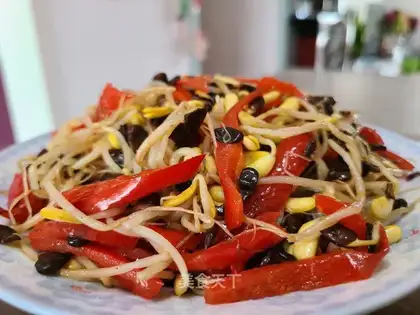
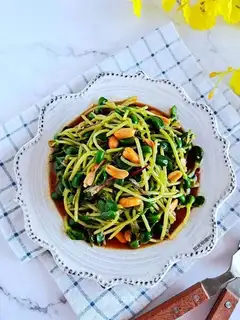
- Cooked Dishes: Stir-fry with garlic, ginger, and vegetables for a crunchy, nutrient-packed side dish. Add to soups, curries, or fried rice in the last 2–3 minutes of cooking.
- Salads: Blanch sprouts briefly (30 seconds) to soften them slightly, then toss with leafy greens, nuts, and a light vinaigrette.
- Smoothies: Blend a small handful of sprouts into green smoothies for an extra protein and fiber boost.
- Wraps: Use as a filling for wraps or sandwiches, alongside lean proteins and avocado.
Conclusion
Black bean sprouts are a nutritional powerhouse, offering an impressive array of vitamins, minerals, and bioactive compounds that support immune health, digestion, weight management, and chronic disease prevention. Their versatility in culinary applications makes them an easy and delicious addition to a balanced diet. However, proper handling—especially thorough cooking to avoid bacterial contamination—and moderation to mitigate antinutrient and goitrogen risks are essential. By incorporating black bean sprouts thoughtfully, one can harness their health benefits while minimizing potential drawbacks, making them a valuable component of a healthy lifestyle.