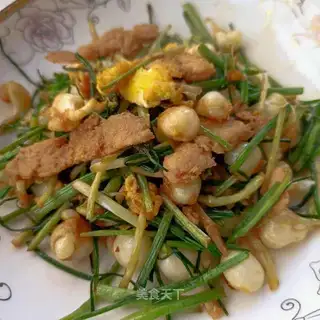
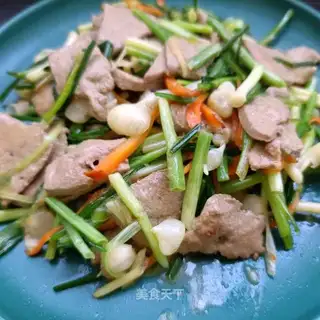
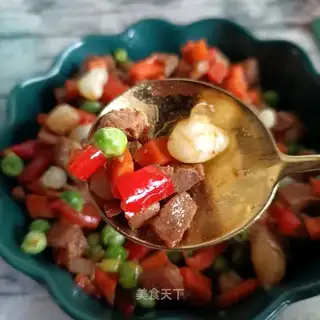
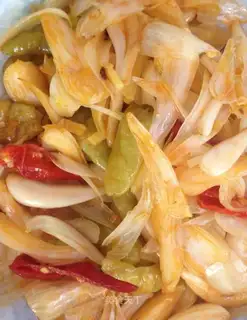
Introduction
In the vast tapestry of global ingredients, some treasures remain hidden in plain sight, valued by traditional cultures yet underappreciated in mainstream diets. Xi Bai (薤白), known scientifically as Allium macrostemon Bunge, is one such gem. Also called wild onion, mountain garlic, or rakkyo in East Asia, this pungent, bulbous plant has been a staple in traditional Chinese medicine (TCM) and cuisine for millennia. Often overshadowed by its cousin, the common onion, Xi Bai boasts a unique nutritional profile, a host of science-backed health benefits, and a rich cultural history. This article delves into the nutritional value of Xi Bai, its evidence-based health benefits, and important precautions for consumption, shedding light on why this humble ingredient deserves a place in modern wellness practices.
Part 1: Nutritional Value of Xi Bai
Xi Bai’s nutritional composition is a testament to its role as both a food and a therapeutic agent. The bulb, the most commonly used part, is packed with bioactive compounds, vitamins, minerals, and antioxidants that contribute to its health-promoting properties.
Key Bioactive Compounds
The standout feature of Xi Bai is its high concentration of organosulfur compounds, particularly alliin, allicin, and thiosulfinates. These compounds are responsible for Xi Bai’s characteristic pungent odor and are the primary drivers of its medicinal effects. When the bulb is crushed or chewed, alliin is converted into allicin, a potent antimicrobial and anti-inflammatory agent. Additionally, Xi Bai contains saponins, such as macrostemonoside, which have been shown to exhibit cholesterol-lowering and immune-boosting properties.
Vitamins and Minerals
Xi Bai is a rich source of essential vitamins and minerals that support overall health. It is particularly high in vitamin C, a powerful antioxidant that protects cells from oxidative stress, enhances immune function, and aids in collagen synthesis. The bulb also provides vitamin B6, which plays a crucial role in metabolism and brain health, and potassium, a mineral that regulates blood pressure and fluid balance. Trace minerals like iron, calcium, and magnesium are present in smaller but significant amounts, contributing to bone health, oxygen transport, and enzymatic reactions.
Dietary Fiber and Low Calories
As a low-calorie vegetable (approximately 40-50 calories per 100 grams), Xi Bai is an excellent addition to weight management diets. It is high in dietary fiber, which promotes digestive health by preventing constipation, supporting gut microbiota balance, and increasing satiety. The fiber also helps stabilize blood sugar levels, making Xi Bai a suitable food for individuals with diabetes or insulin resistance.
Unique Phytochemicals
Beyond its organosulfur compounds, Xi Bai contains flavonoids like quercetin and kaempferol, which have antioxidant, anti-inflammatory, and neuroprotective effects. These compounds help neutralize free radicals, reducing the risk of chronic diseases such as heart disease, cancer, and neurodegenerative disorders.
Part 2: Health Benefits of Xi Bai
For centuries, Xi Bai has been used in TCM to treat a range of ailments, from respiratory issues to digestive disorders. Modern research has begun to validate many of these traditional uses, highlighting Xi Bai’s potential as a functional food for preventing and managing various health conditions.
Cardiovascular Health Support
One of the most well-documented benefits of Xi Bai is its positive impact on cardiovascular health. The organosulfur compounds in Xi Bai help lower low-density lipoprotein (LDL) cholesterol (the "bad" cholesterol) while increasing high-density lipoprotein (HDL) cholesterol (the "good" cholesterol), reducing the risk of atherosclerosis and heart attacks. A study published in the Journal of Agricultural and Food Chemistry found that allicin in Xi Bai inhibits the activity of HMG-CoA reductase, an enzyme involved in cholesterol synthesis, similar to the mechanism of statin drugs.
Additionally, Xi Bai’s potassium content helps regulate blood pressure by counteracting the effects of sodium, and its flavonoids improve endothelial function, enhancing blood vessel elasticity and reducing hypertension. Regular consumption of Xi Bai may also decrease triglyceride levels and prevent blood clot formation, further protecting against stroke and coronary artery disease.
Anti-inflammatory and Analgesic Effects
Chronic inflammation is a root cause of many modern diseases, including arthritis, diabetes, and cancer. Xi Bai’s bioactive compounds possess potent anti-inflammatory properties that help mitigate this process. Allicin and saponins inhibit the production of pro-inflammatory cytokines such as TNF-α, IL-6, and IL-1β, which are key drivers of inflammation.
In TCM, Xi Bai is commonly used to relieve chest pain (angina pectoris) and abdominal bloating, conditions often linked to inflammation and poor circulation. A 2020 study in Phytotherapy Research confirmed that Xi Bai extract reduced inflammation in rats with colitis by suppressing the NF-κB signaling pathway, a major regulator of inflammatory responses. These findings suggest that Xi Bai may be beneficial for individuals with inflammatory bowel disease (IBD) or other inflammatory conditions.
Respiratory Health and Immune Boost
Xi Bai has long been used in TCM to treat respiratory infections, coughs, and bronchitis. Its antimicrobial properties help combat bacteria, viruses, and fungi that cause respiratory illnesses. Allicin, in particular, has been shown to inhibit the growth of Streptococcus pneumoniae and Haemophilus influenzae, common pathogens in pneumonia and sinusitis.
Moreover, Xi Bai’s high vitamin C content enhances immune function by stimulating the production of white blood cells and antibodies. This dual action—direct antimicrobial effects and immune modulation—makes Xi Bai a valuable natural remedy for preventing and treating colds, flu, and other respiratory infections.
Digestive Health Promotion
Xi Bai’s fiber content and saponins support digestive health by promoting regular bowel movements and maintaining a healthy gut microbiome. Saponins act as prebiotics, feeding beneficial gut bacteria such as Lactobacillus and Bifidobacterium, which are essential for digestion and immune function.
In TCM, Xi Bai is used to treat diarrhea, dysentery, and indigestion. Modern research supports this use: a 2018 study in Food & Function found that Xi Bai extract improved gut barrier function in mice by increasing the production of mucin, a protective layer that prevents harmful substances from entering the bloodstream. This suggests that Xi Bai may help alleviate symptoms of leaky gut syndrome and irritable bowel syndrome (IBS).
Anticancer Potential
Emerging research indicates that Xi Bai may have anticancer properties, thanks to its ability to inhibit tumor growth and metastasis. The organosulfur compounds and flavonoids in Xi Bai induce apoptosis (programmed cell death) in cancer cells while sparing normal cells. For example, a 2019 study in Oncology Reports found that allicin suppressed the proliferation of human colon cancer cells by downregulating the PI3K/Akt signaling pathway, a pathway often dysregulated in cancer.
Additionally, Xi Bai’s antioxidant properties reduce oxidative DNA damage, a key factor in cancer development. While more human clinical trials are needed, these findings suggest that Xi Bai could be a valuable adjunct to conventional cancer therapy.
Part 3: Precautions and Potential Side Effects
While Xi Bai offers numerous health benefits, it is not without precautions. Like all allium vegetables (e.g., garlic, onions), Xi Bai contains compounds that may cause adverse effects in certain individuals. Understanding these risks is essential for safe consumption.
Gastrointestinal Irritation
Xi Bai’s pungent compounds, particularly allicin, can irritate the gastrointestinal (GI) tract, especially in sensitive individuals. Common symptoms include heartburn, nausea, diarrhea, and stomach cramps. Those with pre-existing GI conditions such as gastritis, peptic ulcers, or irritable bowel syndrome (IBS) should consume Xi Bai in moderation or avoid it altogether. Cooking Xi Bai can reduce its irritant effects while preserving some of its health benefits.
Blood Thinning and Anticoagulant Effects
Xi Bai has natural anticoagulant properties, thanks to its ability to inhibit platelet aggregation. While this can be beneficial for preventing blood clots, it may increase the risk of bleeding in individuals taking blood-thinning medications such as warfarin, aspirin, or clopidogrel. People on anticoagulant therapy should consult their healthcare provider before adding Xi Bai to their diet. Additionally, those scheduled for surgery should avoid consuming Xi Bai for at least 1-2 weeks prior to the procedure to reduce the risk of excessive bleeding.
Low Blood Pressure (Hypotension)
Xi Bai’s potassium content and ability to relax blood vessels may lower blood pressure. While this is beneficial for individuals with hypertension, those with naturally low blood pressure (hypotension) should consume Xi Bai cautiously to avoid symptoms such as dizziness, lightheadedness, or fainting.
Allergic Reactions
Although rare, some individuals may be allergic to Xi Bai or other allium vegetables. Symptoms of an allergic reaction can include skin rash, hives, itching, swelling, or difficulty breathing. Those with known allergies to garlic, onions, or leeks should avoid Xi Bai to prevent adverse reactions.
Pregnancy and Breastfeeding
There is limited research on the safety of Xi Bai consumption during pregnancy and breastfeeding. While small amounts used in cooking are unlikely to be harmful, pregnant or breastfeeding women should avoid high doses of Xi Bai supplements due to its potential effects on blood pressure and blood clotting. Consulting a healthcare provider is advisable in such cases.
Conclusion
Xi Bai, a humble yet powerful ingredient, offers a remarkable blend of nutritional and therapeutic benefits. From its heart-protecting organosulfur compounds to its immune-boosting vitamins and anti-inflammatory phytochemicals, this wild onion has earned its place as a functional food in modern diets. Its ability to support cardiovascular health, reduce inflammation, and enhance digestion aligns with the growing demand for natural, evidence-based approaches to wellness.
However, as with any potent food, moderation and awareness of potential side effects are key. Individuals with GI issues, bleeding disorders, low blood pressure, or those on anticoagulant medication should exercise caution. By incorporating Xi Bai wisely into a balanced diet, one can harness its ancient wisdom while minimizing risks.
As research continues to uncover the full potential of this underappreciated ingredient, Xi Bai may soon transition from a traditional remedy to a mainstream superfood. Whether enjoyed raw in salads, pickled as a condiment, or cooked in soups, Xi Bai invites us to rediscover the power of nature’s pharmacy—one flavorful bulb at a time.