Radishes, often overlooked in the realm of superfoods, have been a staple in global cuisines for centuries. Among the diverse varieties, the Sha Wo radish (沙窝萝卜), a winter specialty from Tianjin, China, stands out for its exceptional crispness, mild sweetness, and remarkable nutritional profile. Cultivated in the sandy soils of the Sha Wo area, this radish has earned the nickname "winter ginseng" for its purported health benefits. Beyond its refreshing taste, Sha Wo radish is a nutritional powerhouse packed with vitamins, minerals, antioxidants, and bioactive compounds. This article explores its nutritional composition, health benefits, culinary applications, and important precautions to maximize its potential while ensuring safe consumption.
I. Nutritional Composition of Sha Wo Radish
Sha Wo radish is a low-calorie, nutrient-dense vegetable, making it an ideal addition to a balanced diet. A 100-gram serving of fresh Sha Wo radish contains approximately 16 calories, 0.6 grams of protein, 0.1 grams of fat, and 3.4 grams of carbohydrates, including 1.7 grams of dietary fiber. Its true value lies in its rich micronutrient and phytochemical content, which contribute to its wide-ranging health effects.
1. Vitamins
Sha Wo radish is an excellent source of vitamin C, a potent antioxidant essential for immune function, skin health, and collagen synthesis. A 100-gram serving provides about 20 milligrams of vitamin C, roughly 22% of the daily recommended intake for adults. It also contains smaller amounts of B vitamins, including folate (vitamin B9), which supports cell division and DNA synthesis, and vitamin B6, which aids in metabolism and neurotransmitter production.
2. Minerals
The radish is a good source of essential minerals, including potassium, manganese, and calcium. Potassium (about 238 mg per 100 grams) helps regulate blood pressure and fluid balance, while manganese plays a key role in bone formation and antioxidant defense. Calcium, though present in moderate amounts, contributes to bone and teeth health, especially when combined with other calcium-rich foods.
3. Phytochemicals and Antioxidants
Sha Wo radish is rich in bioactive compounds that contribute to its medicinal properties. It contains glucosinolates—sulfur-containing compounds unique to cruciferous vegetables—which break down into isothiocyanates (such as sulforaphane) when chewed or digested. These compounds have been studied for their anti-inflammatory, anticancer, and detoxifying effects. Additionally, the radish is packed with flavonoids like quercetin and anthocyanins (in its purple skin), which combat oxidative stress and reduce the risk of chronic diseases.
4. Dietary Fiber and Water Content
With over 90% water content and significant fiber, Sha Wo radish promotes hydration and digestive health. The fiber, both soluble and insoluble, adds bulk to stool, prevents constipation, and supports a healthy gut microbiome by serving as a prebiotic.
II. Health Benefits of Sha Wo Radish
The combination of nutrients and phytochemicals in Sha Wo radish translates to numerous health benefits, spanning digestive, immune, and metabolic health.
1. Aids Digestion and Gut Health
Sha Wo radish is a natural remedy for digestive issues. Its high fiber content stimulates peristalsis, the muscular contractions that move food through the digestive tract, alleviating bloating, constipation, and indigestion. The glucosinolates in the radish also exhibit antimicrobial properties, inhibiting the growth of harmful gut bacteria like Helicobacter pylori, which is linked to ulcers and gastritis. Additionally, the radish’s mild diuretic effect helps flush out toxins, reducing the burden on the liver and kidneys.
2. Boosts Immune Function
Vitamin C is a cornerstone of immune health, and Sha Wo radish is a readily available source of this nutrient. Vitamin C enhances the production of white blood cells, which are critical for fighting infections, and acts as an antioxidant to protect immune cells from damage by free radicals. Studies suggest that regular consumption of vitamin C-rich foods like Sha Wo radish may reduce the duration and severity of colds and flu.
3. Supports Weight Management
Low in calories but high in water and fiber, Sha Wo radish is an excellent food for weight control. The fiber promotes satiety, reducing overall calorie intake by curbing hunger pangs. Its high water content also adds volume to meals without adding calories, making it a filling addition to salads, stir-fries, or snacks. For example, a bowl of radish salad with a light vinaigette can provide a satisfying, low-calorie meal that supports weight loss efforts.
4. Regulates Blood Sugar and Cholesterol
The fiber and anthocyanins in Sha Wo radish play a role in managing blood sugar levels. Soluble fiber slows the absorption of sugar in the bloodstream, preventing spikes in blood glucose after meals, which is particularly beneficial for individuals with type 2 diabetes. Research indicates that anthocyanins may improve insulin sensitivity and reduce inflammation associated with diabetes.
For heart health, Sha Wo radish’s potassium content helps counteract the effects of sodium, lowering blood pressure. Additionally, the fiber binds to cholesterol in the digestive system, reducing its absorption and lowering LDL ("bad") cholesterol levels. The isothiocyanates in the radish also inhibit the oxidation of LDL cholesterol, a key step in the development of atherosclerosis.
5. Anti-Cancer Properties
Cruciferous vegetables like Sha Wo radish are renowned for their potential cancer-fighting effects. Glucosinolates break down into isothiocyanates, which have been shown to inhibit the growth of cancer cells and induce apoptosis (programmed cell death) in various cancers, including lung, breast, and colon cancer. Sulforaphane, a specific isothiocyanate, activates detoxifying enzymes in the body that neutralize carcinogens before they can cause DNA damage. While human studies are ongoing, epidemiological research suggests that regular consumption of cruciferous vegetables is associated with a lower risk of certain cancers.
6. Promotes Skin Health
Vitamin C and antioxidants in Sha Wo radish are beneficial for skin vitality. Vitamin C is essential for collagen synthesis, a protein that maintains skin elasticity and reduces the appearance of wrinkles. Antioxidants like quercetin protect skin cells from UV damage and pollution, slowing down aging. Additionally, the radish’s high water content hydrates the skin from within, giving it a healthy, radiant glow.
7. Anti-Inflammatory Effects
Chronic inflammation is linked to numerous diseases, including arthritis, heart disease, and diabetes. Sha Wo radish contains anti-inflammatory compounds, including isothiocyanates and flavonoids, which inhibit the production of pro-inflammatory cytokines. For individuals with inflammatory conditions, incorporating Sha Wo radish into their diet may help alleviate symptoms and reduce disease risk.
III. Culinary Uses and Preparation Tips
Sha Wo radish’s versatility in the kitchen makes it easy to incorporate into daily meals. Known for its crisp texture and slightly sweet, peppery flavor, it can be enjoyed raw, cooked, or pickled.
1. Raw Consumption
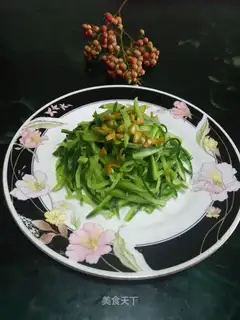
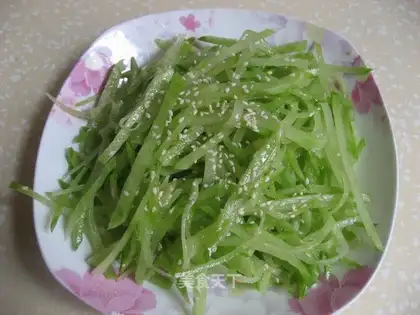
Raw Sha Wo radish retains the highest concentration of heat-sensitive nutrients like vitamin C and enzymes. It is commonly sliced or grated into salads, slaws, or appetizers. For example, a simple salad of julienned radish, cucumber, and carrot dressed with rice vinegar and sesame oil offers a refreshing crunch. Radish sticks can also be served with hummus or yogurt dip as a healthy snack.
2. Cooking Methods
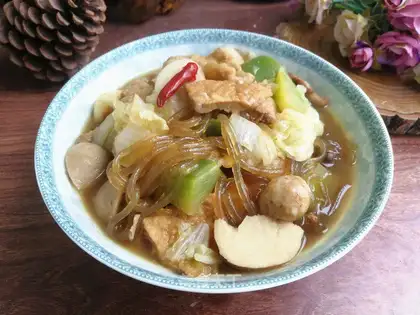
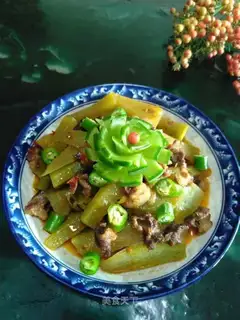
Cooking Sha Wo radish softens its texture and brings out a milder, sweeter flavor. It can be stir-fried with meat or vegetables, added to soups and stews, or roasted to enhance its natural sweetness. In Tianjin, a popular dish is Radish Beef Soup, where radish is simmered with tender beef until the radish becomes melt-in-your-mouth soft. Steaming or boiling radish preserves its nutrients better than frying, which can destroy heat-sensitive vitamins.
3. Pickling and Fermentation
Pickled Sha Wo radish is a traditional delicacy in Northern China. The radish is marinated in salt, sugar, and vinegar, sometimes with chili or garlic, to create a tangy, crunchy condiment. Fermented radish (e.g., kimchi-style) offers additional probiotic benefits, which support gut health. However, commercial pickled products may contain high levels of sodium, so homemade versions with reduced salt are preferable.
4. Juicing and Blending
Radish juice is a concentrated source of nutrients and is often consumed as a detoxifying drink. Blending radish with fruits like apple or carrot can mellow its sharp flavor while retaining its health benefits. However, juicing removes most of the fiber, so whole radishes are a better choice for maximizing digestive benefits.
IV. Precautions and Potential Side Effects
While Sha Wo radish is generally safe for most people, certain precautions should be taken to avoid adverse effects.
1. Digestive Discomfort
Sha Wo radish’s high fiber content can cause bloating, gas, or diarrhea in individuals with sensitive digestive systems or those not accustomed to high-fiber diets. To minimize this, start with small portions and increase intake gradually. Cooking radish can also make it easier to digest.
2. Thyroid Function
Cruciferous vegetables contain goitrogens—compounds that can interfere with thyroid hormone production when consumed in large amounts. Goitrogens are inactivated by heat, so individuals with thyroid issues (e.g., hypothyroidism) should limit raw radish consumption and opt for cooked versions. Moderate intake of cooked Sha Wo radish is generally safe for most people.
3. Blood Pressure Medications
The high potassium content in Sha Wo radish may interact with certain medications, such as ACE inhibitors or potassium-sparing diuretics, which can increase potassium levels in the blood. Individuals taking these medications should consult their doctor before consuming large amounts of radish.
4. Allergic Reactions
Although rare, some people may be allergic to radishes, experiencing symptoms like itching, swelling, or difficulty breathing. Those with a known allergy to cruciferous vegetables should avoid Sha Wo radish.
5. Pesticide Residues
As with all produce, Sha Wo radish may contain pesticide residues if not grown organically. Washing thoroughly under running water or peeling the skin can reduce exposure. Organic radishes are a safer choice for those concerned about chemicals.
V. Conclusion
Sha Wo radish is more than just a winter vegetable—it is a nutritional and medicinal treasure. Its rich content of vitamins, minerals, fiber, and phytochemicals makes it a valuable ally for digestive health, immune function, weight management, and chronic disease prevention. Whether enjoyed raw in salads, cooked in soups, or pickled as a condiment, this versatile radish can easily be incorporated into a healthy diet. However, moderation is key, especially for individuals with thyroid issues, digestive sensitivities, or those on specific medications. By understanding its benefits and precautions, one can harness the full potential of Sha Wo radish to enhance overall health and well-being. As the saying goes, "An apple a day keeps the doctor away," but for those in the know, a Sha Wo radish a day might just do the same.