Seafood mushroom (Hypsizygus marmoreus), also known as elm oyster or clamshell mushroom, is a versatile and nutrient-rich fungi gaining global popularity for its delicate texture, umami flavor, and impressive health profile. Native to East Asia, particularly Japan and Korea, this mushroom has been traditionally used in both culinary and medicinal practices. Today, it is cultivated worldwide and celebrated for its high protein content, essential vitamins, minerals, and bioactive compounds. This article explores the nutritional value of seafood mushroom, its evidence-based health benefits, potential side effects, and practical consumption guidelines to help readers incorporate this superfood into a balanced diet.
I. Nutritional Value of Seafood Mushroom
Seafood mushroom stands out among edible fungi for its dense nutritional composition, offering a low-calorie, high-fiber, and protein-rich alternative to animal-based foods. A 100-gram serving of fresh seafood mushroom (approximately 1.5 cups) contains approximately:
- Macronutrients:
- Calories: 22–30 kcal, making it an ideal food for weight management.
- Protein: 1.5–2.5 grams, including all nine essential amino acids (lysine, leucine, valine, etc.), crucial for muscle repair and immune function.
- Carbohydrates: 4–6 grams, with 2–3 grams being dietary fiber, which aids digestion and promotes gut health.
- Fat: Less than 0.5 grams, primarily heart-healthy unsaturated fats.
- Micronutrients:
- B Vitamins: Rich in niacin (B3), riboflavin (B2), and pantothenic acid (B5), which play key roles in energy metabolism, skin health, and nervous system function. A 100-gram serving provides 10–20% of the daily recommended intake (DRI) for niacin.
- Minerals: Excellent source of potassium (300–400 mg), which regulates blood pressure and fluid balance; phosphorus (100–150 mg), vital for bone health; and selenium (10–15 µg), a powerful antioxidant that supports thyroid function and immune response.
- Vitamin D: Unlike most plant-based foods, seafood mushroom contains vitamin D2 (ergocalciferol), especially when exposed to UV light during cultivation. A 100-gram serving can provide 10–20% of the DRI, making it a valuable source for individuals with limited sun exposure.
- Bioactive Compounds:
- Beta-Glucans: Soluble fibers known for their immune-boosting properties. Seafood mushroom contains beta-glucans such as lentinan, which enhances macrophage activity and may reduce inflammation.
- Antioxidants: Ergothioneine and glutathione, potent antioxidants that protect cells from oxidative stress caused by free radicals. Studies show seafood mushroom has higher ergothioneine levels than many other mushrooms, including shiitake and oyster mushrooms.
- Polysaccharides: Complex carbohydrates with anti-tumor and cholesterol-lowering effects, such as hypsizipren A, a unique polysaccharide isolated from seafood mushroom.
II. Evidence-Based Health Benefits
The combination of nutrients and bioactive compounds in seafood mushroom contributes to a range of health benefits, supported by both traditional use and modern scientific research.
1. Supports Immune Function
Seafood mushroom’s beta-glucans and polysaccharides are key modulators of the immune system. These compounds bind to receptors on immune cells (e.g., macrophages, natural killer cells), enhancing their ability to detect and eliminate pathogens. A 2018 study published in the Journal of Medicinal Food found that extracts from seafood mushroom increased the production of cytokines (proteins that regulate immune responses) in human blood cells, reducing the risk of infections and chronic inflammation.
2. Promotes Heart Health
The low-fat, high-fiber, and potassium-rich profile of seafood mushroom makes it beneficial for cardiovascular health. Potassium helps counteract the effects of sodium, lowering blood pressure and reducing the risk of hypertension. Additionally, beta-glucans may reduce LDL (“bad”) cholesterol by inhibiting its absorption in the gut. A 2020 study in Nutrients reported that regular mushroom consumption (including seafood mushroom) was associated with a 35% lower risk of heart disease due to its antioxidant and lipid-lowering properties.
3. Aids Weight Management
With only 22–30 calories per 100 grams and high fiber content, seafood mushroom is a filling food that supports weight loss. Fiber slows digestion, increasing satiety and reducing overall calorie intake. A 2019 study in Appetite found that participants who consumed mushroom-based meals felt fuller and consumed 20% fewer calories at their next meal compared to those who ate meat-based meals.
4. Enhances Brain Health and Cognitive Function
Seafood mushroom is a rare plant-based source of vitamin D2, which is linked to reduced risk of cognitive decline. Vitamin D receptors in the brain regulate neurotransmitter production and neuroprotection. A 2021 study in Nutrients associated higher mushroom intake with improved memory and processing speed in older adults. Additionally, ergothioneine, an antioxidant abundant in seafood mushroom, crosses the blood-brain barrier and protects neurons from oxidative damage, potentially lowering the risk of neurodegenerative diseases like Alzheimer’s.
5. Regulates Blood Sugar Levels
The fiber and polysaccharides in seafood mushroom help stabilize blood sugar by slowing carbohydrate absorption and improving insulin sensitivity. A 2017 study in Journal of Ethnopharmacology found that polysaccharide extracts from seafood mushroom reduced blood glucose levels in diabetic rats by 30% and increased insulin secretion. For humans, incorporating seafood mushroom into meals may lower the glycemic index (GI) of high-carb foods, making it a valuable dietary addition for individuals with type 2 diabetes or prediabetes.
6. Anti-Cancer Properties
Preliminary studies suggest that seafood mushroom’s bioactive compounds may inhibit tumor growth. Beta-glucans and polysaccharides have been shown to induce apoptosis (programmed cell death) in cancer cells and suppress angiogenesis (the formation of new blood vessels that feed tumors). While most research is in test tubes or animal models, a 2022 review in Frontiers in Pharmacology highlighted that seafood mushroom extracts exhibited anti-tumor effects against breast, liver, and colon cancer cells, warrantering further human trials.
III. Culinary Uses and Preparation Tips
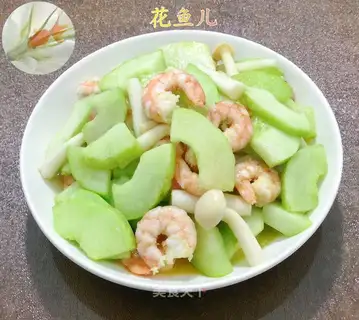
Seafood mushroom’s mild, slightly sweet flavor and firm, crunchy texture make it a versatile ingredient in various cuisines. Here are popular ways to prepare it:
- Stir-fries: Sauté with garlic, ginger, and vegetables (e.g., bell peppers, broccoli) for a quick, nutrient-rich meal.
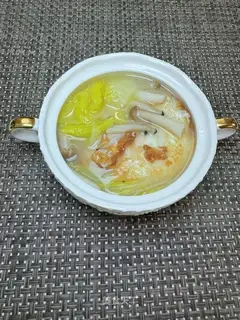
- Soups and Stews: Add to miso soup, ramen, or chicken broth to enhance umami flavor and nutritional content.
- Grilled or Roasted: Marinate in soy sauce, sesame oil, and herbs, then grill or roast for a smoky side dish.
- Salads: Use raw or lightly blanched seafood mushroom in salads for a crunchy texture, similar to water chestnuts.
- Substitute for Meat: Finely chop and mix with ground meat or plant-based alternatives (e.g., tofu) to boost protein and fiber in burgers or meatballs.
Preparation Tip: To maximize nutrient retention, avoid overcooking. Light sautéing or steaming preserves heat-sensitive vitamins like B vitamins and vitamin D. For enhanced vitamin D content, leave fresh mushrooms in direct sunlight for 15–30 minutes before cooking, as UV exposure converts ergosterol to vitamin D2.
IV. Potential Side Effects and Precautions
While seafood mushroom is generally safe for most people, certain precautions should be considered:
1. Allergic Reactions
Although rare, some individuals may experience allergic reactions, such as skin rashes, itching, or respiratory distress. Those with mushroom allergies should avoid seafood mushroom and consult a healthcare provider if symptoms occur.
2. Digestive Discomfort
High fiber content may cause bloating, gas, or diarrhea in sensitive individuals, especially when consumed in large amounts. Start with small servings (e.g., 50–100 grams) and gradually increase intake to allow the gut to adjust.
3. Interaction with Medications
Seafood mushroom may interact with blood-thinning medications (e.g., warfarin) due to its vitamin K content. Vitamin K plays a role in blood clotting, and sudden changes in intake can affect medication efficacy. Individuals on blood thinners should maintain consistent vitamin K consumption and consult their doctor before adding seafood mushroom to their diet.
4. Purine Content
Like other mushrooms, seafood mushroom contains purines, which can trigger gout attacks in individuals with high uric acid levels. Gout sufferers should limit intake to 50–100 grams per day and avoid consuming it during flare-ups.
5. Quality and Contamination
Always purchase seafood mushroom from reputable sources to avoid contamination with bacteria, heavy metals, or pesticides. Fresh mushrooms should be firm, dry, and free from mold. Store them in a paper bag in the refrigerator for up to 5 days to prevent spoilage.
V. Conclusion
Seafood mushroom is a nutritional powerhouse that offers a wide range of health benefits, from immune support and heart health to weight management and blood sugar regulation. Its rich profile of protein, fiber, vitamins, minerals, and bioactive compounds makes it a valuable addition to a balanced diet. While generally safe, individuals with allergies, gout, or those on blood-thinning medications should consume it with caution. By incorporating this versatile mushroom into meals mindfully, people can enhance their nutritional intake and enjoy its delicious flavor while promoting overall well-being. As research continues to uncover its therapeutic potential, seafood mushroom is poised to become a staple in both health-conscious and gourmet kitchens worldwide.