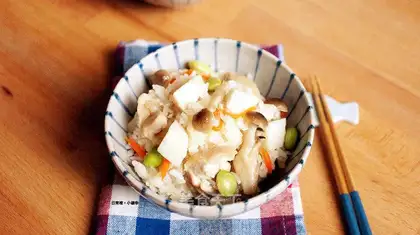
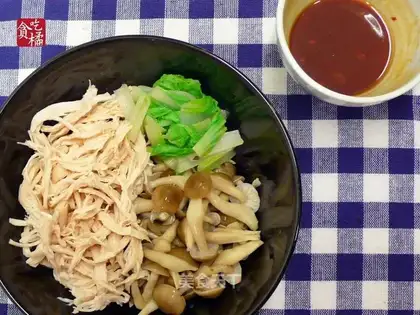
In the realm of functional foods, few ingredients bridge the gap between culinary delight and therapeutic potential as elegantly as Hypsizygus marmoreus—commonly known as the bunashimeji or "velvet pioppini" mushroom. With its tender, slightly crunchy texture and mild, savory flavor, this golden-brown fungus has long been a staple in East Asian cuisine. Beyond its gastronomic appeal, H. marmoreus is gaining global recognition for its impressive nutritional profile and evidence-based health benefits. However, like all natural foods, it requires proper handling and awareness of potential risks. This article explores the nutritional composition, medicinal properties, and precautions associated with H. marmoreus, offering a comprehensive guide for both culinary enthusiasts and health-conscious consumers.
Nutritional Value: A Powerhouse of Essential Nutrients
H. marmoreus is a low-calorie, nutrient-dense food that packs a punch of macronutrients, vitamins, minerals, and bioactive compounds. Its nutritional composition makes it an excellent addition to balanced diets, particularly for those seeking to enhance nutrient intake without excessive calories.
Macronutrients
As a fungi, H. marmoreus is rich in protein, providing all nine essential amino acids (lysine, leucine, phenylalanine, etc.) that the human body cannot synthesize independently. A 100-gram serving of fresh H. marmoreus contains approximately 1.9–3 grams of protein, with a protein efficiency ratio comparable to that of soybeans. This makes it a valuable plant-based protein source for vegetarians and vegans.
The mushroom is also low in fat (0.2–0.5 grams per 100 grams) and primarily composed of heart-healthy unsaturated fatty acids, including linoleic acid. Its carbohydrate content is modest (5–7 grams per 100 grams), with dietary fiber accounting for 1–2 grams. Fiber aids digestion, promotes satiety, and supports gut microbiota health by acting as a prebiotic.
Micronutrients and Vitamins
H. marmoreus is a notable source of B vitamins, which play critical roles in energy metabolism, neurological function, and red blood cell production. Notably, it contains:
- Niacin (B3): Essential for converting food into energy, with 100 grams providing about 2–4 mg (12–25% of the daily recommended intake).
- Riboflavin (B2): Supports antioxidant defense and skin health, contributing 0.2–0.4 mg per 100 grams.
- Pantothenic acid (B5): Involved in hormone synthesis and stress response, with 1–2 mg per 100 grams.
The mushroom is also rich in vitamin D2 (ergocalciferol), especially when exposed to ultraviolet light during cultivation. Vitamin D is crucial for calcium absorption, bone health, and immune regulation—a unique feature among non-animal food sources.
Minerals and Bioactive Compounds
H. marmoreus boasts an array of minerals, including:
- Potassium: A 100-gram serving provides 300–400 mg, supporting blood pressure regulation and fluid balance.
- Phosphorus: Vital for bone formation and ATP production (80–100 mg per 100 grams).
- Iron: Important for oxygen transport (0.5–1 mg per 100 grams), with non-heme iron that is more absorbable when consumed with vitamin C.
- Selenium: A potent antioxidant (0.5–2 µg per 100 grams), though levels vary based on growing conditions.
Its most celebrated bioactive compounds are polysaccharides, particularly β-glucans. These complex carbohydrates have immunomodulatory, anti-inflammatory, and anticancer properties. Additionally, H. marmoreus contains phenolic compounds and triterpenoids, which contribute to its antioxidant activity by neutralizing free radicals and reducing oxidative stress.
Health Benefits: From Immune Support to Chronic Disease Prevention
The synergy of nutrients and bioactive compounds in H. marmoreus underpins its wide-ranging health benefits. Scientific studies and traditional use highlight its potential in bolstering immunity, managing metabolic health, and protecting against chronic diseases.
Immune System Modulation
β-glucans in H. marmoreus are well-documented for their ability to enhance immune function. They activate macrophages, natural killer (NK) cells, and T-lymphocytes—key players in the body’s defense against pathogens and cancerous cells. Research published in the Journal of Medicinal Food found that H. marmoreus polysaccharides increased NK cell activity by 30–50% in animal models, suggesting a role in preventing infections and tumor growth.
Antioxidant and Anti-Inflammatory Effects
Chronic inflammation and oxidative stress are underlying factors in many diseases, including cardiovascular disease, diabetes, and neurodegenerative disorders. H. marmoreus contains ergothioneine, a unique amino acid with potent antioxidant properties that protect cells from DNA damage and lipid peroxidation. A 2020 study in Food Chemistry demonstrated that H. marmoreus extract reduced pro-inflammatory cytokines (e.g., TNF-α and IL-6) in human blood cells, indicating its potential to alleviate inflammation-related conditions.
Cardiovascular Health Support
The low-fat, high-fiber, and potassium-rich profile of H. marmoreus makes it heart-healthy. Potassium counteracts the effects of sodium, helping to lower blood pressure, while fiber reduces LDL ("bad") cholesterol levels. Moreover, its β-glucans may inhibit cholesterol absorption in the gut. A 2019 study in Phytotherapy Research found that consuming H. marmoreus for 8 weeks significantly reduced total cholesterol and triglycerides in patients with mild hyperlipidemia.
Anticancer Potential
Preclinical studies suggest that H. marmoreus extracts may inhibit tumor growth and metastasis. β-glucans stimulate apoptosis (programmed cell death) in cancer cells and enhance the efficacy of chemotherapy. For example, a 2018 study in Oncology Reports showed that H. marmoreus polysaccharides suppressed the proliferation of human colon cancer cells by up to 60% in vitro. While human trials are limited, these findings warrant further investigation.
Metabolic Health and Weight Management
With its low glycemic index and high fiber content, H. marmoreus is beneficial for blood sugar control. Fiber slows carbohydrate digestion, preventing spikes in blood glucose and insulin levels—a key factor in managing type 2 diabetes. Additionally, its protein and fiber content promote satiety, reducing overall calorie intake and aiding weight management. A 2021 study in Nutrients linked regular mushroom consumption (including H. marmoreus) to a lower risk of obesity and metabolic syndrome.
Culinary Uses and Preparation Tips
H. marmoreus’s versatility in the kitchen makes it a favorite among chefs. Its mild, slightly sweet flavor complements a variety of dishes, from stir-fries and soups to grilled meats and pasta. To maximize its nutritional benefits:
- Fresh vs. Dried: Fresh H. marmoreus has a higher water content and delicate texture, ideal for quick cooking. Dried mushrooms, though rehydrated, concentrate flavors and nutrients, including β-glucans.
- Cooking Methods: Sautéing, steaming, or grilling preserves its nutritional value. Avoid prolonged boiling, which can leach water-soluble vitamins.
- Pairings: Combine with garlic, onions, or soy sauce to enhance umami. It works well in vegetarian dishes, risottos, and as a meat substitute.
Precautions and Potential Risks
While H. marmoreus is generally safe for consumption, certain precautions are necessary to avoid adverse effects:
Allergic Reactions
Though rare, individuals with mushroom allergies may experience symptoms such as itching, hives, or anaphylaxis. First-time consumers should start with a small portion and monitor for reactions.
Pesticide and Contamination Risks
Like all mushrooms, H. marmoreus can absorb heavy metals (e.g., cadmium, lead) if grown in contaminated soil. Opt for certified organic varieties from reputable sources to minimize exposure.
Drug Interactions
The β-glucans in H. marmoreus may interact with immunosuppressive medications (e.g., those used after organ transplants) by enhancing immune activity. Patients on such medications should consult a healthcare provider before consuming it regularly.
Raw Consumption Risks
H. marmoreus contains chitin, a fibrous compound that is difficult to digest when raw. Cooking breaks down chitin, making nutrients more bioavailable and reducing the risk of gastrointestinal discomfort.
Special Populations
Pregnant or breastfeeding women should consume H. marmoreus in moderation due to limited safety data. Individuals with gout should be cautious, as all mushrooms contain purines, which can trigger flare-ups in susceptible individuals.
Conclusion
Hypsizygus marmoreus is a nutritional and medicinal powerhouse that offers a unique blend of protein, fiber, vitamins, minerals, and bioactive compounds. Its ability to support immune function, reduce inflammation, and protect against chronic diseases makes it a standout ingredient in both traditional and modern diets. However, like all foods, it must be consumed mindfully—opting for quality sources, cooking properly, and being aware of individual health considerations. As research continues to uncover its full potential, H. marmoreus is poised to become a cornerstone of global health-conscious cuisine, proving that nature’s simplest ingredients often hold the greatest power.