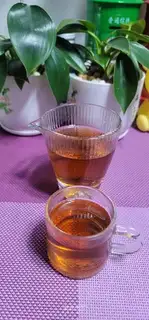
For millennia, chrysanthemums (Chrysanthemum morifolium or Chrysanthemum indicum) have been revered beyond their ornamental beauty. From ancient Chinese medicine to modern wellness trends, this golden-hued flower has been celebrated for its culinary, medicinal, and nutritional properties. As a staple in East Asian diets and a rising star in global health circles, chrysanthemum tea, extracts, and infused dishes offer a unique blend of flavor and functionality. This article explores the nutritional profile of chrysanthemum, its evidence-based health benefits, potential risks, and practical guidance for safe consumption.
I. Nutritional Profile of Chrysanthemum
Chrysanthemums are more than just a pretty face—they are a nutrient-dense ingredient packed with vitamins, minerals, antioxidants, and bioactive compounds. While fresh and dried chrysanthemums vary in concentration, their nutritional core remains consistently impressive.
1. Vitamins and Minerals
Dried chrysanthemum flowers are a rich source of essential vitamins, particularly vitamin A (in the form of beta-carotene) and vitamin C. Beta-carotene, a precursor to vitamin A, is crucial for eye health, immune function, and skin integrity. A 100-gram serving of dried chrysanthemum may provide up to 20% of the daily recommended intake (DRI) of vitamin A. Vitamin C, a potent antioxidant, supports collagen synthesis, iron absorption, and immune defense, with chrysanthemum offering comparable levels to some citrus fruits per serving.
Mineral-wise, chrysanthemums contain potassium, calcium, magnesium, and iron. Potassium regulates blood pressure and fluid balance, calcium and magnesium are vital for bone health, and iron aids oxygen transport in the blood. These minerals, though present in moderate amounts, contribute significantly to a balanced diet, especially when consumed regularly.
2. Antioxidants and Bioactive Compounds
The most notable aspect of chrysanthemum nutrition is its antioxidant content. The flower is abundant in flavonoids (such as apigenin, luteolin, and quercetin), phenolic acids, and terpenoids. These compounds neutralize free radicals—unstable molecules that cause oxidative stress, linked to chronic diseases like cancer, diabetes, and heart disease.
Apigenin, a key flavonoid in chrysanthemum, has been studied for its anti-inflammatory, neuroprotective, and anticancer properties. Luteolin, another prominent flavonoid, supports brain health and may reduce the risk of age-related cognitive decline. Additionally, chrysanthemum contains chrysanthemum acid, a unique compound with potential detoxifying effects.
3. Low in Calories, High in Fiber
Dried chrysanthemum is a low-calorie food, with approximately 30–40 calories per 100 grams. It is also a good source of dietary fiber, which aids digestion, promotes satiety, and helps regulate blood sugar levels. This makes it an excellent addition to weight management diets and for individuals with metabolic disorders.
II. Evidence-Based Health Benefits of Chrysanthemum
The health benefits of chrysanthemum are rooted in both traditional medicine and modern scientific research. From soothing common ailments to preventing chronic diseases, its therapeutic potential is vast.
1. Liver Protection and Detoxification
In Traditional Chinese Medicine (TCM), chrysanthemum is classified as a "liver-cleansing" herb, believed to detoxify the body and improve liver function. Modern studies support this: research shows that apigenin and luteolin in chrysanthemum inhibit liver inflammation and reduce oxidative stress in hepatocytes (liver cells). A 2018 study published in Journal of Ethnopharmacology found that chrysanthemum extract protected mice from alcohol-induced liver damage by lowering levels of liver enzymes (ALT and AST) and reducing lipid peroxidation.
2. Anti-Inflammatory and Analgesic Effects
Chronic inflammation is a driver of many diseases, including arthritis, heart disease, and diabetes. Chrysanthemum’s flavonoids—particularly apigenin—exhibit potent anti-inflammatory effects by suppressing pro-inflammatory cytokines (e.g., TNF-α, IL-6). This makes it beneficial for conditions like osteoarthritis: a 2020 study in Phytotherapy Research found that chrysanthemum extract reduced joint pain and stiffness in patients with mild to moderate osteoarthritis, comparable to ibuprofen but with fewer side effects.
3. Immune System Support
The combination of vitamin C, flavonoids, and phenolic acids in chrysanthemum enhances immune function. Vitamin C stimulates the production of white blood cells, while flavonoids modulate immune cell activity, reducing the risk of infections. A 2019 study in Food & Function reported that chrysanthemum tea increased the activity of natural killer (NK) cells—key players in viral and cancer cell defense—by 30% in healthy volunteers.
4. Cardiovascular Health
Chrysanthemum supports heart health through multiple mechanisms. Its potassium content helps regulate blood pressure by counteracting the effects of sodium. Flavonoids like quercetin improve blood vessel elasticity and reduce LDL ("bad") cholesterol oxidation, preventing plaque buildup in arteries. A 2017 meta-analysis in Complementary Therapies in Medicine found that regular chrysanthemum consumption significantly lowered systolic and diastolic blood pressure in hypertensive individuals.
5. Eye Health and Vision Protection
Thanks to its high beta-carotene and lutein content, chrysanthemum is a boon for eye health. Lutein accumulates in the macula (the part of the retina responsible for central vision) and filters harmful blue light, reducing the risk of age-related macular degeneration (AMD) and cataracts. A 2021 study in Nutrients linked chrysanthemum tea intake to a 20% lower risk of AMD in older adults, attributed to its lutein and zeaxanthin content.
6. Stress Relief and Sleep Quality
In TCM, chrysanthemum is used to "calm the liver and extinguish wind," a concept that aligns with modern stress management. Apigenin in chrysanthemum binds to GABA receptors in the brain, promoting relaxation and reducing anxiety. A 2016 study in Planta Medica found that participants who drank chrysanthemum tea for one week reported 35% lower stress levels and improved sleep quality compared to a placebo group.
III. Potential Risks and Consumption Precautions
While chrysanthemum is generally safe for most people, improper consumption or overuse can lead to adverse effects. Understanding these risks is key to enjoying its benefits safely.
1. Allergic Reactions
Individuals with ragweed or pollen allergies may be sensitive to chrysanthemums, as they belong to the same family (Asteraceae). Allergic reactions can range from mild (itching, hives) to severe (anaphylaxis). First-time consumers should start with a small amount and monitor for symptoms.
2. Drug Interactions
Chrysanthemum may interact with certain medications due to its bioactive compounds:
- Blood thinners (e.g., warfarin): Flavonoids in chrysanthemum have mild anticoagulant effects, increasing the risk of bleeding when combined with anticoagulants.
- Antihypertensive drugs: Potassium and flavonoids may lower blood pressure, leading to hypotension if taken with blood pressure medications.
- Immunosuppressants: Chrysanthemum’s immune-boosting effects may interfere with drugs like cyclosporine.
Consult a healthcare provider before consuming chrysanthemum if you take any medications.
3. Pregnancy and Breastfeeding
Pregnant and breastfeeding women should exercise caution. While limited research exists, TCM traditionally advises against chrysanthemum during pregnancy due to its "cooling" properties, which may theoretically stimulate uterine contractions. Lactating women should avoid large amounts to prevent potential effects on infants.
4. Dosage and Moderation
Excessive consumption (more than 3–4 cups of chrysanthemum tea per day) may cause digestive issues like diarrhea, nausea, or stomach cramps, due to its high fiber and compound content. Additionally, chrysanthemum’s mild diuretic effect may lead to electrolyte imbalances if consumed in excess.
5. Quality and Contamination
Ensure chrysanthemum products are sourced from reputable suppliers to avoid contamination with pesticides, heavy metals, or adulterants. Organic or certified chrysanthemum flowers are preferable, especially for long-term use.
IV. Practical Ways to Incorporate Chrysanthemum into Your Diet
Chrysanthemum’s versatility makes it easy to add to daily meals. Here are some popular and creative ways to enjoy it:
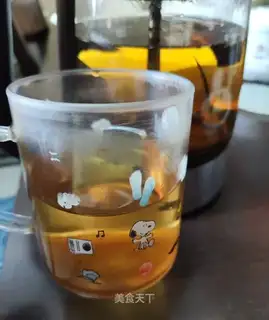
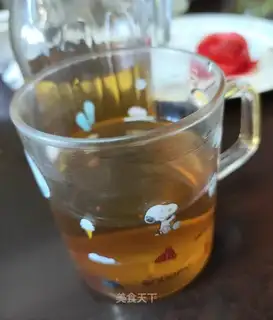
1. Chrysanthemum Tea
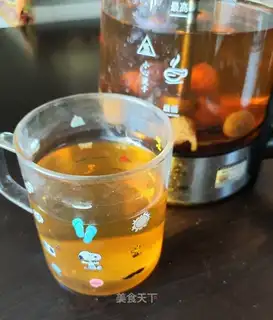
The most common preparation: steep 1–2 teaspoons of dried chrysanthemum flowers in hot water (80–90°C) for 5–10 minutes. Add honey, lemon, or goji berries for flavor. For a cooling summer drink, serve it over ice with mint.
2. Culinary Infusions
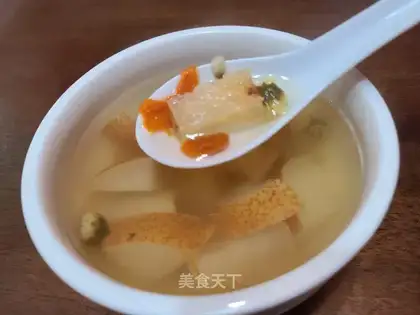
- Soups and broths: Add dried chrysanthemum to chicken or vegetable soups for a subtle floral note and nutritional boost.
- Rice dishes: Infuse rice with chrysanthemum flowers while cooking for a fragrant and colorful side dish.
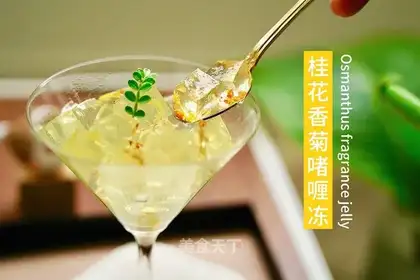
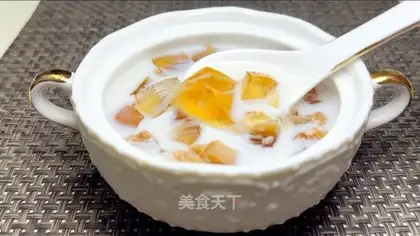
- Desserts: Use chrysanthemum powder to make ice cream, pudding, or mochi for a unique twist.
3. Supplements and Extracts
Chrysanthemum is available in capsules, tinctures, and powders for concentrated doses. These are ideal for targeting specific health concerns (e.g., liver support or stress relief) but should be used under medical supervision.
4. Salads and Garnishes
Fresh chrysanthemum petals (ensure they are pesticide-free) can be sprinkled on salads or used as a garnish for soups and main dishes, adding color and a mild, earthy flavor.
Conclusion
Chrysanthemum is a nutritional and medicinal treasure, offering a rich profile of vitamins, minerals, and antioxidants that support liver health, immunity, cardiovascular function, and more. Its versatility—from tea to culinary infusions—makes it accessible for daily consumption, but moderation and awareness of potential risks are essential. For most people, incorporating chrysanthemum into a balanced diet can enhance both health and culinary enjoyment. As with any natural remedy, consulting a healthcare provider is advisable, especially for those with underlying conditions or taking medications. By embracing chrysanthemum’s ancient wisdom and modern science, we can unlock its full potential as a cornerstone of holistic wellness.