Introduction
In the vast landscape of edible plants, some lesser-known species emerge as nutritional and culinary treasures, often hidden in plain sight. Among them is Suaeda salsa, commonly known as sea asparagus, saltwort, or suida, a halophytic (salt-loving) plant thriving in coastal regions, salt marshes, and alkaline soils across Asia, Europe, and North America. For centuries, this wild green has been a staple in traditional diets, particularly in China, where it is known as “碱蓬” (jiǎn péng). Today, as global interest in sustainable, nutrient-dense foods grows, Suaeda salsa is gaining recognition for its exceptional nutritional profile, diverse health benefits, and versatility in cooking. This article explores the nutritional value of Suaeda salsa, its evidence-based health benefits, and important considerations for safe consumption.
Nutritional Value of Suaeda salsa
Suaeda salsa is a nutritional powerhouse, packed with vitamins, minerals, antioxidants, and bioactive compounds that outperform many common vegetables. Its unique ability to thrive in saline environments allows it to accumulate high concentrations of essential nutrients, making it a “functional food” with far-reaching health implications.
1. Rich in Vitamins
This plant is particularly notable for its vitamin content. It is an exceptional source of vitamin C, a potent antioxidant that supports immune function, collagen synthesis, and skin health. Studies show that Suaeda salsa contains 2–3 times more vitamin C than oranges per 100 grams, making it a valuable natural remedy for combating oxidative stress. Additionally, it provides significant amounts of vitamin A (as beta-carotene), which is crucial for vision, cell growth, and immune regulation. The plant also contains vitamin E, another antioxidant that protects cell membranes from damage and supports cardiovascular health.
2. Mineral-Rock Composition
One of the most striking features of Suaeda salsa is its mineral content. As a halophyte, it efficiently absorbs minerals from the soil, resulting in high levels of potassium, calcium, magnesium, and iron. Potassium, in particular, is abundant and helps regulate blood pressure, fluid balance, and nerve function—key factors in preventing hypertension and stroke. The calcium content (up to 200 mg per 100 grams) is comparable to that of dairy products, making it an excellent plant-based source for bone health. Iron levels are also noteworthy, with 100 grams providing approximately 15–20% of the daily recommended intake, aiding in the prevention of anemia.
3. Protein and Essential Amino Acids
Unlike many leafy greens, Suaeda salsa is a surprising source of high-quality protein, containing all nine essential amino acids. Its protein content (around 15–20% of dry weight) rivals that of legumes, making it a valuable addition to vegetarian and vegan diets. The amino acid profile is particularly rich in lysine and methionine, which are often limiting in plant-based foods, enhancing its nutritional completeness.
4. Omega-3 Fatty Acids and Antioxidants
Suaeda salsa is one of the few land plants that contain alpha-linolenic acid (ALA), a plant-based omega-3 fatty acid. ALA is essential for brain health, reducing inflammation, and supporting cardiovascular function. The plant is also loaded with antioxidants, including flavonoids, phenolic acids, and betalains. These compounds neutralize free radicals, reducing the risk of chronic diseases such as cancer, diabetes, and neurodegenerative disorders. Notably, its betalain content (responsible for its reddish-purple hue) has been shown to have anti-inflammatory and detoxifying properties.
5. Dietary Fiber
With high levels of both soluble and insoluble fiber, Suaeda salsa promotes digestive health. Fiber aids in bowel regularity, prevents constipation, and serves as a prebiotic, nourishing beneficial gut bacteria. This, in turn, supports immune function and may reduce the risk of colorectal cancer.
Health Benefits of Suaeda salsa
The combination of nutrients in Suaeda salsa translates to a wide range of health benefits, backed by traditional use and emerging scientific research.
1. Antioxidant and Anti-Inflammatory Effects
Chronic inflammation and oxidative stress are underlying factors in many diseases, including heart disease, diabetes, and cancer. Suaeda salsa’s high antioxidant content, particularly vitamin C, vitamin E, and flavonoids, helps combat oxidative damage by neutralizing free radicals. Studies have shown that the phenolic compounds in Suaeda salsa inhibit pro-inflammatory enzymes (such as COX-2), reducing markers of inflammation like C-reactive protein (CRP). This makes it a potential dietary adjunct for managing inflammatory conditions like arthritis.
2. Cardiovascular Health Support
The plant’s impact on heart health is multifaceted. Its potassium content helps counteract the effects of sodium, lowering blood pressure and reducing the risk of hypertension. Omega-3 fatty acids (ALA) improve lipid profiles by reducing triglycerides and increasing HDL (“good”) cholesterol, while antioxidants prevent the oxidation of LDL (“bad”) cholesterol—a key step in atherosclerosis. Additionally, its fiber content binds to cholesterol in the digestive system, limiting its absorption into the bloodstream.
3. Blood Sugar Regulation Suaeda salsa shows promise in managing and preventing type 2 diabetes. Research indicates that its polysaccharides and flavonoids enhance insulin sensitivity, allowing cells to use glucose more efficiently. The fiber content also slows carbohydrate absorption, preventing sharp spikes in blood sugar after meals. In animal studies, extracts of Suaeda salsa have been shown to reduce fasting blood glucose levels and improve pancreatic function, making it a potential natural therapy for diabetes.
4. Bone Health and Anemia Prevention
The high calcium and magnesium content in Suaeda salsa makes it excellent for bone density and strength. Calcium is the primary mineral in bones, while magnesium aids in its absorption and utilization. Iron, combined with vitamin C (which enhances iron absorption), helps prevent iron-deficiency anemia, a common condition characterized by fatigue, weakness, and impaired cognitive function. For individuals following plant-based diets, Suaeda salsa offers a rare dual source of both iron and vitamin C.
5. Liver Protection and Detoxification
Traditional medicine has long used Suaeda salsa to support liver health. Modern research confirms its hepatoprotective effects: the plant’s antioxidants, particularly betalains, reduce oxidative stress in the liver and promote the activity of detoxification enzymes like glutathione-S-transferase. Studies in mice have shown that Suaeda salsa extracts can reduce liver damage caused by toxins like alcohol and carbon tetrachloride, making it a potential ally for liver detoxification.
6. Immune System Boost
The abundance of vitamin C, vitamin A, and antioxidants in Suaeda salsa strengthens the immune system by enhancing the production and function of white blood cells, which are critical for fighting infections. Vitamin A also maintains the integrity of mucosal surfaces (such as the respiratory and digestive tracts), acting as a first line of defense against pathogens. Regular consumption may reduce the frequency and severity of colds and other viral infections.
Culinary Uses and Versatility
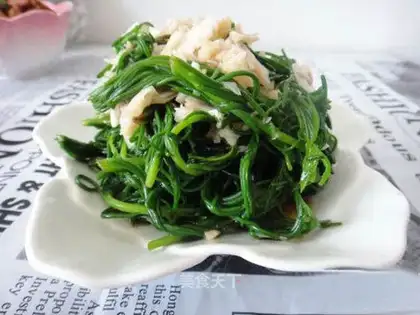
Beyond its health benefits, Suaeda salsa is a versatile culinary ingredient with a unique flavor profile. Young, tender leaves have a slightly salty, succulent taste, reminiscent of spinach or asparagus, with a hint of oceanic minerality. Older leaves tend to be more fibrous and bitter, so harvesting young shoots (typically in spring and early summer) is recommended for optimal texture and flavor.
Common culinary preparations include:
- Stir-fries and sautés: Young leaves can be blanched and stir-fried with garlic, ginger, or tofu, similar to spinach.
- Soups and stews: The plant adds a nutritious, savory depth to broths and soups.
- Salads and wraps: Tender leaves can be used raw in salads or as wraps for fillings like rice or vegetables.
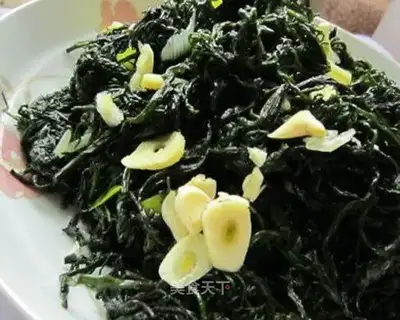
- Pickles: In China, pickled Suaeda salsa is a popular delicacy, often served as a side dish with congee or rice.
- Smoothies and juices: Blending young leaves into smoothies or juices boosts nutrient content without overpowering flavors.
In recent years, Suaeda salsa has also been incorporated into modern cuisine, appearing as a gourmet garnish in upscale restaurants or as an ingredient in health-focused products like powders, capsules, and energy bars.
Precautions and Contraindications
While Suaeda salsa is generally safe for consumption, certain precautions must be taken to avoid adverse effects.
1. Sodium Content
As a halophyte, Suaeda salsa naturally accumulates high levels of sodium. Individuals with hypertension, kidney disease, or those on a low-sodium diet should consume it in moderation. Cooking methods such as blanching or boiling can reduce sodium content by leaching it into water.
2. Oxalates and Kidney Stones
Like spinach and other leafy greens, Suaeda salsa contains oxalates, compounds that can bind to calcium and form kidney stones in susceptible individuals. People with a history of kidney stones should limit their intake and ensure adequate hydration.
3. Pesticide and Heavy Metal Contamination
Wild-harvested Suaeda salsa may be exposed to environmental pollutants such as pesticides or heavy metals (e.g., lead, cadmium) if grown in contaminated areas. It is advisable to source the plant from reputable suppliers or cultivate it in controlled, organic environments to minimize risk.
4. Pregnancy and Breastfeeding
There is limited research on the safety of Suaeda salsa during pregnancy and breastfeeding. Pregnant women should consult a healthcare provider before consuming it regularly, as high doses of certain nutrients (e.g., vitamin A) can be harmful in excess.
5. Drug Interactions
The plant’s high vitamin K content may interfere with blood-thinning medications like warfarin, as vitamin K promotes blood clotting. Individuals taking such medications should maintain consistent intake levels and monitor their clotting times closely.
Conclusion
Suaeda salsa is a remarkable example of how nature’s most resilient plants can offer profound health benefits. From its exceptional nutritional profile—rich in vitamins, minerals, protein, and antioxidants—to its evidence-based role in supporting heart health, blood sugar regulation, and immune function, this humble green is a true superfood. Its culinary versatility further enhances its appeal, allowing it to be incorporated into a wide range of dishes. However, mindful consumption is key, particularly for individuals with specific health conditions. As research continues to uncover its potential, Suaeda salsa is poised to become a staple in both traditional and modern diets, offering a sustainable and nutritious solution to global health challenges. Whether enjoyed as a simple side dish or a functional supplement, this “sea vegetable” reminds us that the most powerful remedies often lie in the unassuming corners of the natural world.