As the saying goes, "The lotus plant is a treasure in itself, but the autumn lotus root is the most nourishing." Lotus root is not only a delicacy but also a valuable medicine. As early as in the "Shennong Ben Cao Jing," it was recorded that lotus root "nourishes the center and calms the spirit, replenishes qi and strength, cures hundreds of illnesses, and long-term consumption makes one light-bodied and resistant to aging."
In Traditional Chinese Medicine, lotus root is considered to have a cool nature and a sweet flavor, affecting the heart, liver, spleen, and stomach meridians. It is differentiated into raw and cooked forms, each with different medicinal properties. Raw lotus root is cool in nature, sweet and cooling to the stomach, and can promote the production of body fluids to quench thirst, dispel stasis and clear heat, cool the blood, and stop vomiting. Therefore, although postpartum women are advised to avoid raw and cold foods, lotus root is the exception. Cooked lotus root is more focused on strengthening the stomach and spleen, nourishing the blood, and tonifying deficiency. Therefore, eating cooked lotus root is highly beneficial for the elderly, especially those with a weak spleen and stomach. The nodes between the sections of the lotus root contain about 2% tannin and asparagine, making its hemostatic and astringent effects stronger than fresh lotus root, and it can also counteract crab toxicity. The flesh of the lotus root is sweet, crisp, and tender. Common ways to eat it are stewed with meat, stir-fried plain, or stir-fried with meat. Below are several lotus root dishes that are both delicious and nourishing:
Lotus Root Congee
Take 250 grams of fresh lotus root, 50 grams of glutinous rice, and 100 grams of brown sugar. First, wash the lotus root, peel it, and cut it into small cubes; wash the glutinous rice clean. Then, take a clay pot, pour in water, add the glutinous rice and lotus root cubes. Bring to a boil over high heat, then simmer over low heat until the rice is soft and the congee is thick. Add the brown sugar and mix well to serve. This congee has the effects of strengthening the spleen to stop diarrhea, nourishing the blood, and promoting muscle growth.
Mung Bean Stuffed Lotus Root
Take two sections of lotus root and an appropriate amount of mung beans and rock sugar. Soak the mung beans for 3 hours, then stuff them into the holes of the lotus root. Add an appropriate amount of rock sugar and water, and cook until done. Eat it along with the soup. This dish can relieve summer heat and eye heat and redness.
Osmanthus and Glutinous Rice Lotus Root
Osmanthus and Glutinous Rice Lotus Root
Fill the channels of a large, tender, and clean lotus root with glutinous rice. Cook until tender, then slice and sprinkle with a layer of sugar and osmanthus. It is especially unique in flavor when served with a bowl of sweet, thick glutinous rice congee.
Chicken and Lotus Root Purée
Take 250 grams of fresh lotus root, a small amount of shiitake mushrooms, and 250 grams of chicken. First, wash the lotus root, peel it, and chop it (including the nodes) into a fine purée. Rinse the chicken and chop it into a paste. Soak the shiitake mushrooms in hot water until soft, then remove, rinse, and chop finely. Then, take a large bowl, grease the inner surface with sesame oil, and add the lotus root purée, chicken paste, and shiitake mushrooms. Add an appropriate amount of soy sauce, sugar, salt, cooking wine, and cornstarch, and mix well. Spread the mixture evenly in the bowl and steam for about 20 minutes. This dish is not only delicious but also tonifies the spleen and stomach, benefits qi and blood, and stops bleeding.
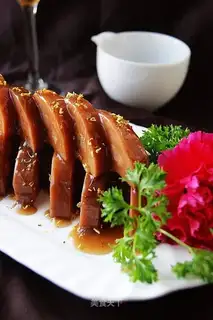 Osmanthus glutinous rice lotus root