Osmanthus glutinous rice lotus root
By KaleyVon
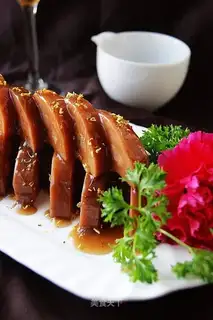
In addition to containing a large amount of carbohydrates, glutinous rice nourishes qi and blood, fresh lotus root is also rich in protein, various vitamins and minerals. It also contains rich dietary fiber, which is very beneficial for treating constipation and promoting the discharge of harmful substances. When paired in this way, not only will the taste be better, but the nourishing effect will also be more significant.
Recipe Recommendations
- lotus root appropriate amount
- glutinous rice appropriate amount
- red dates appropriate amount
- dried Osmanthus appropriate amount
- brown sugar appropriate amount
- rock sugar appropriate amount
- sweetening
- cook
- several hours
- simple
Steps for Osmanthus glutinous rice lotus root
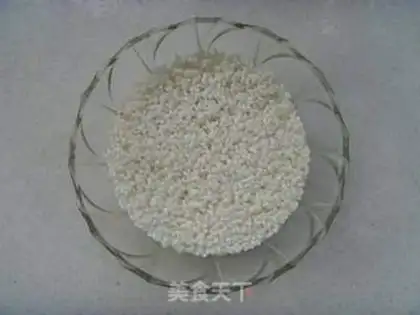
1
Soak glutinous rice for 3-4 hours.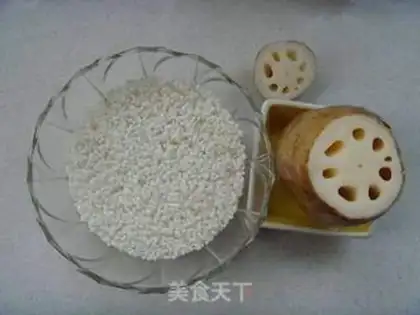
2
Wash the lotus root without peeling it, and cut the lotus root two to three centimeters of the hat from one end.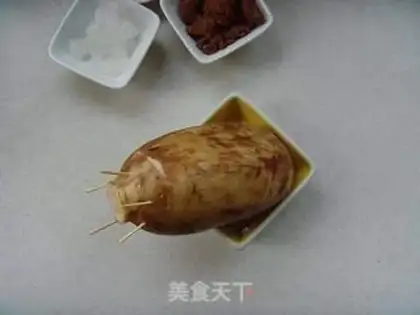
3
Pour in the glutinous rice, poke it with chopsticks, fill it all up, seal it with a toothpick and fix it.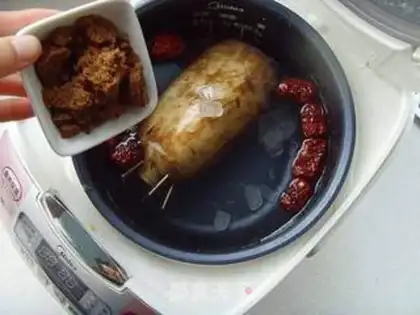
4
Put the filled lotus root into the pot, add appropriate amount of water, and finish the lotus root. Add brown sugar, rock sugar, and red dates, and increase or decrease to the appropriate sweetness according to personal preference.
5
Choose porridge/soup stalls to cook for 2 hours and keep warm for more than 3 hours. (If you are not in a hurry to eat, you can simmer it with the remaining soup)
6
Remove the lotus root, remove the toothpick, and cut it into thick slices.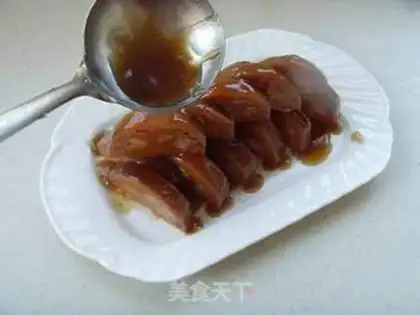
7
Add water to the soup of boiled lotus root to thicken it and pour it on the lotus root pieces.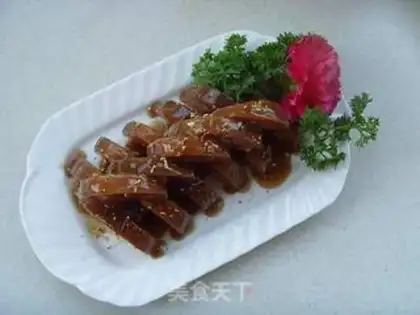
8
Sprinkle with dried osmanthus and enjoy.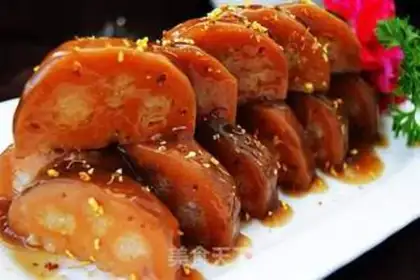
9
Characteristics of this dish: bright red color, oily and sweet.Osmanthus glutinous rice lotus root Make Tips
1. Lotus root is divided into two types: white lotus root and red lotus root. The outer skin of white lotus root is relatively light and the taste is crisp, making it suitable for stir-frying; the outer skin of red lotus root is dark and the skin is thick, making it suitable for making soup and making glutinous rice lotus root. 2. When buying lotus roots, you should choose a lotus root body that is large and short. It is best to have lotus nodes at both ends, so that the inside of the lotus root holes is relatively clean and free of sediment. 3. When the glutinous rice is brewed into the lotus root, it should be filled fully and no holes should be left. 4. Chilling the prepared glutinous rice lotus roots in the refrigerator will also have a unique flavor.