Now is the perfect season for eating river snails. Not only is the meat tender and delicious, but you also don't have to worry about eating baby snails. However, there are some important things to note about eating river snails, which you should be aware of in advance.
The Nutritional Value of River Snails
River snails, also known as river conchs or sea snails, have plump and delicate meat with a delicious flavor, earning them the honorary title of "pearl on a plate."
River snail meat is rich in protein, vitamins, and essential amino acids and trace elements for the human body, making it a typical natural health food that is high in protein, low in fat, and high in calcium.
Because river snail meat is rich in vitamin A, protein, iron, and calcium, it has a good therapeutic effect on diseases such as red eyes, jaundice, beriberi, and hemorrhoids. Snails are low in calories, making them an ideal food for people on a diet. Moreover, eating river snails has a significant therapeutic effect on bromhidrosis.
What do river snails eat and how to get them clean?
Although river snails are delicious, they often puzzle many housewives because of their unique growth environment and the difficulty in preparing them. Although there isn't much meat in a river snail, not every part is edible. The part we usually eat is the tougher, more resilient piece of meat near the snail's opening. The softer parts near the bottom are the snail's internal organs. Because this part is prone to harboring harmful substances and parasites, and it's also quite dirty, it is generally not eaten.
When preparing river snails, first place them in water with a few drops of cooking oil and let them sit for 2-3 days, changing the water 1-2 times in between. This will allow most of the sand and mud inside the snails to be expelled. Then, wash the snail shells clean and use pliers to break off the bottom, which is the sharpest point. Although this step is quite tedious, it is very necessary for health and hygiene. After this is done, wash the snails again. Place them in a deep dish, add water, cover with another dish, and shake them back and forth. This will help expel the sand and impurities from the snails. Repeat this two or three times until the water comes out clear. Only then are they considered clean.
Dietary Precautions When Eating River Snails
1. When cooking snail meat, it must be stir-fried for at least 20 minutes to prevent dysentery and parasitic infections.
2. The substance secreted by the brain nerve of sea snails can cause food poisoning, so the head must be removed before consumption.
3. River snails should not be eaten with winter melon, muskmelon, wood ear fungus, or sugar. They should also not be taken with the traditional Chinese medicine gecko or the Western medicine tetracycline.
4. River snails may contain parasites and must be heated to a high temperature before consumption. River snails have a "cold" nature in traditional Chinese medicine, so people with a weak and "cold" spleen and stomach should avoid eating them.
5. Do not drink alcohol when eating river snails. They should not be eaten with bean products, as this can easily lead to the formation of stones.
Who Should Not Eat River Snails
Generally, everyone can eat them.
Suitable for: People with jaundice, edema, urinary retention, hemorrhoids with bleeding, beriberi, thirst, red, swollen, and painful eyes from wind-heat, and those who are intoxicated. Also suitable for people with diabetes, cancer, Sjögren's syndrome, obesity, hyperlipidemia, coronary heart disease, arteriosclerosis, and fatty liver.
Contraindications: Those with a weak and "cold" spleen and stomach, or those with loose stools and diarrhea, should avoid them. Because snails are very "cold" in nature, they should be avoided during a common cold, during a woman's menstrual period, and after childbirth. Those who have a history of a "cold" stomach should also avoid them.
The above are the precautions for eating river snails. When you eat them, be sure to clean them thoroughly to remove bacteria.
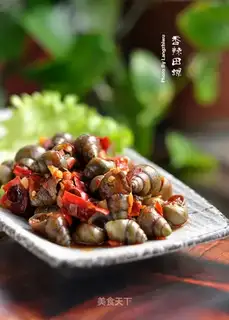 Spicy snail