In autumn, the temperature difference gradually increases, and we should make corresponding adjustments in our daily diet and lifestyle. Chinese health preservation in autumn focuses on nourishing yin and preventing dryness. What fruits and vegetables should we eat for health preservation in autumn? Let's take a look at the editor's summary.
Winter Radish is as Good as Ginseng
As the saying goes, "A winter radish is as good as ginseng," and now is the perfect season for this "little ginseng" to hit the market. However, what is less well-known is that different parts of the radish have different textures and should be prepared differently.
Pickled White Radish
Eating white radish can help resolve phlegm.
White radish is over 90% water and can promote gastrointestinal motility and bowel movements. Traditional Chinese medicine considers radish to be cooling in nature and can help resolve phlegm and clear heat. It should be noted that white radish is best eaten raw or in a cold salad, and the radish peel is rich in minerals and vitamins, so it's best not to discard it when eating.
Eating carrots can help you grow taller.
Carrot and Egg Pancake
Carrots are rich in beta-carotene, which the human body can convert into vitamin A. It can effectively relieve eye fatigue and dryness. Furthermore, this substance is essential for normal bone growth and is particularly important for promoting infant development. Carrots are best eaten cooked, because they contain fat-soluble vitamins, and eating them raw can prevent most of the beta-carotene from being absorbed by the body.
Eating green radish can promote urination.
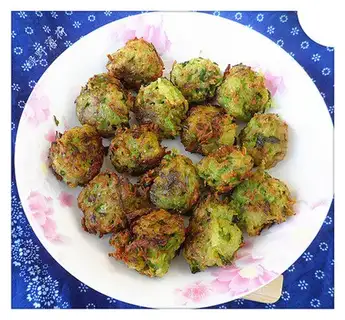
Green Radish and Vegetable Ball
The top part of a green radish is sweet with little spiciness, which gradually increases towards the tail, and it is extremely storage-friendly. It is slightly cool in nature, sweet in taste, and very effective at promoting the flow of qi and urination. It is a typical raw-eating variety, also known as a "fruit radish."
Red radish can help with weight loss.
Red Radish with Rose Petals
This type of radish is low in calories and high in fiber, which creates a feeling of fullness after eating and aids in weight loss. It is also rich in anthocyanins, which have antioxidant properties.
Eat Three Kinds of Tubers in Autumn for Good Health.
Baked Mashed Potatoes
The common tubers we eat include sweet potatoes (also known as yams, white potatoes, mountain yams, etc.), potatoes (also known as Irish potatoes, or just "potatoes"), and taro potatoes (taro, Chinese yam). Tubers are rich in starch, dietary fiber, and various vitamins and minerals.
Sweet potatoes have a high content of dietary fiber, which can promote gastrointestinal motility and prevent constipation. Sweet potatoes are low in fat, only 0.2%, and high in carbohydrates, reaching 25%. The content of carotene, vitamin B1, vitamin B2, vitamin C, and niacin in sweet potatoes is higher than in grains, and the carotene content in red-fleshed sweet potatoes is higher than in white-fleshed ones.
Potatoes are a popular favorite, as they can be used as either a staple food or a vegetable, and are widely loved by the public. Potatoes are high in starch, at 17%, and are also rich in vitamin C and minerals like potassium. China has launched a national strategy to promote potatoes as a staple food, advancing the processing of potatoes into staples such as steamed buns, noodles, and rice noodles. Potatoes will become another staple food, in addition to rice, wheat, and corn.
 pickled white radish
 Pyramid
 Bean souffle