With increasing age, the physical structure of the elderly further deteriorates, the function of various organs gradually becomes impaired, physical resistance progressively weakens, and mobility decreases. This makes them highly susceptible to certain diseases, such as hyperlipidemia, hypertension, and diabetes, which are common ailments among the elderly. So, how can the elderly prevent and treat these diseases? To prevent illness, one must focus on health preservation and wellness in daily life. Below, we introduce six foods that can lower lipids and blood pressure:
Lotus Leaf and Mung Bean Porridge
Mung Bean
Mung beans have the effect of preventing and treating coronary heart disease. They are an excellent summer food for clearing summer heat, possessing health benefits such as lowering blood lipids, protecting the heart, and preventing coronary heart disease. Animal experiments have shown that mung beans can effectively lower serum cholesterol, triglycerides, and low-density lipoprotein, significantly alleviating atherosclerotic lesions in the coronary arteries. Clinical practice has also proven that daily moderate consumption of mung beans by patients with hyperlipidemia has a significant cholesterol-lowering effect.
Eggplant
Eggplant contains multiple vitamins, especially purple eggplant, which is rich in vitamin P. This can enhance cell adhesion and improve the elasticity of capillaries. Medical research indicates that eggplant can lower cholesterol and prevent vascular damage caused by hyperlipidemia, and it can assist in treating conditions like hypertension, hyperlipidemia, and arteriosclerosis.
Shiitake Mushroom
Shiitake mushrooms have health benefits such as aiding digestion, reducing fat, and lowering blood pressure. The cellulose they contain promotes gastrointestinal motility, prevents constipation, and reduces cholesterol absorption in the intestines. Shiitake mushrooms also contain nucleic substances like eritadenine, which can promote cholesterol breakdown. Regular consumption of shiitake mushrooms can lower total cholesterol and triglycerides.
Sweet Potato
Sweet Potato Cake
Moderate consumption of sweet potatoes can prevent lipid deposition in the cardiovascular system, prevent atherosclerosis, reduce subcutaneous fat, and avoid excessive obesity. However, excessive intake of sweet potatoes can increase the total calorie intake, which is counterproductive for lowering blood lipids.
Hawthorn
Hawthorn is a natural lipid-lowering agent that promotes cholesterol excretion. It mainly contains components such as hawthorn acid, citric acid, lipolytic acid, vitamin C, flavonoids, and carbohydrates. It has health benefits such as dilating blood vessels, improving microcirculation, lowering blood pressure, and promoting cholesterol excretion to reduce blood lipids. However, hawthorn is an acidic food and should not be consumed on an empty stomach or in excessive amounts.
Cucumber
Cucumber is crisp and refreshing, with health benefits such as clearing heat, quenching thirst, and promoting urination. The cellulose it contains promotes the excretion of food waste from the intestines, thereby reducing cholesterol absorption. Cucumber also contains a substance called "tartronic acid," which can inhibit the conversion of carbohydrates into fat in the body, providing health benefits for weight loss and regulating lipid metabolism.
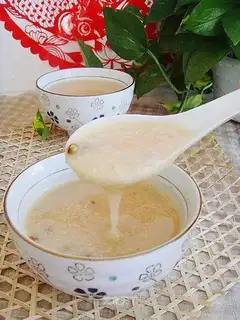 Lotus leaf and mung bean porridge
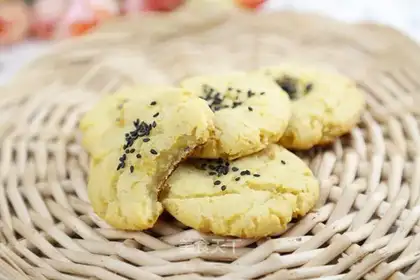 Red fries