Many people love eating fish. Fish is not only delicious and nutritious but also has effects such as lowering blood sugar, protecting the heart, and preventing cancer. However, not everyone is suitable to eat fish. Some people should not eat too much fish. The following are six groups of people who should not eat too much fish. Experts suggest that these six groups of people should avoid eating fish if possible.
Braised Fish
The protein content of fish is twice that of pork, and it is high-quality protein with a high absorption rate by the human body. Fish is rich in thiamine, riboflavin, niacin, vitamin D, and a certain amount of minerals such as calcium, phosphorus, and iron. Although the fat content in fish is low, its fatty acids have been proven to have effects of lowering blood sugar, protecting the heart, and preventing cancer. The vitamin D, calcium, and phosphorus in fish can effectively prevent osteoporosis.
It should be noted that the following six groups of people should not eat too much fish:
1. Patients with tuberculosis: When taking isoniazid, eating certain types of fish can easily cause allergic reactions. Mild reactions include nausea, headache, skin flushing, and conjunctival congestion. Severe reactions may include palpitations, numbness and swelling of the lips and face, rash, diarrhea, abdominal pain, difficulty breathing, increased blood pressure, and even hypertensive crisis and cerebral hemorrhage.
2. Patients with cirrhosis: In cirrhosis, the body has difficulty producing clotting factors, and with low platelet counts, bleeding is easily caused. If they then eat fish rich in eicosapentaenoic acid, such as sardines, mackerel, and tuna, the condition can deteriorate rapidly, making a bad situation worse.
3. People taking certain medications: People taking cough medicines should not eat fish, especially deep-sea fish, to avoid causing histamine allergic reactions, leading to symptoms such as skin flushing, conjunctival congestion, dizziness, rapid heartbeat, and urticaria. Many deep-sea fish contain histamine substances. Once the amount of histamine in the human body exceeds the standard, this substance enters the bloodstream, causing histamine allergic reactions. The reason why people usually do not experience these discomfort symptoms when eating deep-sea fish is that there is a substance in the human stomach and liver—monoamine oxidase—that inhibits histamine activity, preventing histamine from entering the blood. However, some cough medicines contain monoamine oxidase inhibitors, which inhibit the secretion of monoamine oxidase from the stomach and liver. At this point, eating deep-sea fish can easily lead to the rapid accumulation of histamine in the body.
In addition to cough medicines, other drugs can also inhibit monoamine oxidase. Antibiotics such as furazolidone (e.g., Furoxone), ketoconazole, and griseofulvin; antihypertensive drugs such as pargyline; Parkinson's treatment drug selegiline; antidepressants such as moclobemide; and antitumor drug procarbazine. In traditional Chinese medicine, there are also drugs that can inhibit monoamine oxidase, such as deer antler, hawthorn, and fo-ti.
4. Patients with gout: Because fish contains purine substances, and gout is caused by a disorder in purine metabolism in the human body.
5. Patients with bleeding disorders: Patients with bleeding disorders such as thrombocytopenia, hemophilia, and vitamin K deficiency should eat less or no fish, because the eicosapentaenoic acid (EPA) contained in fish can inhibit platelet aggregation, thus aggravating the bleeding symptoms of patients with bleeding disorders.
6. Pregnant women: Pregnant women should not often eat sea fish. Frequent consumption of seafood can lead to excessive intake of methyl mercury. The higher the amount of mercury the fetus is exposed to in the womb, the greater the risk of slight delays in the development of other functions such as attention, memory, and language ability in young children.
Scientists also remind that even if the mother's intake of mercury is not high, the fetal brain development may still be delayed. Therefore, pregnant and breastfeeding women should eat less seafood, at most 1-2 times per week, with each portion being less than 100 grams. They should not eat high-mercury sea fish like tuna and swordfish and can choose to eat farmed fish from uncontaminated ponds.
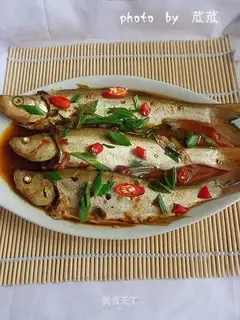 braised fish