Traditional Chinese Medicine emphasizes "the homology of medicine and food." As early as thousands of years ago, our ancestors discovered that some foods possess medicinal properties and can be used to prevent and treat diseases. Today, these views are supported by modern science. Recently, the American "Rodale News Network," citing multiple latest studies, pointed out that there are 9 "food doctors" in the kitchen, all of which are effective in preventing and treating diseases.
Tofu Skin
Beans: Heart-Protectors
Beans are one of the cheapest health foods. Beans are rich in isoflavones, which can protect the heart and prevent cardiovascular diseases. They are low in saturated fatty acids and are an excellent source of protein for the human body. In addition, beans are beneficial for bone and prostate health and can alleviate menopausal discomfort in women. Soybeans made into soy products are better absorbed, while other beans can be stir-fried, stewed, or used in soups, with their nutrients being well-preserved.
Garlic and Onion: Sterilization Guards
Garlic and onion are almost the most cost-effective "medicines" in the kitchen. As plants of the same genus (Allium), they both contain antibacterial and antiviral compounds that help the body's immune system to fight against "invaders." American research has also found that adding onions and garlic to the diet helps prevent multiple cancers such as esophageal, oral, and ovarian cancer. The 70 phytochemicals in onions and garlic can reduce the incidence of high blood pressure by 30%, and they also have anti-inflammatory, antioxidant, and anti-tumor effects. To maximize the sterilizing effect of garlic, it is best to crush it and let it sit for 10-15 minutes before eating, allowing substances like alliin and alliinase to interact to form allicin, which has higher health benefits.
Stir-fried Eggs with Celery
Celery: Blood and Intestinal Cleansers
Research has found that celery contains a compound called "phthalides," which can lower cholesterol. Additionally, everyone is familiar with the fibrous strands in celery; these are dietary fiber that promote gastrointestinal motility and expel intestinal waste. From these two points, celery can be deservedly called a "blood and intestinal cleanser." Moreover, celery is rich in minerals, vitamin C, and phenolic acids, which help the body resist the flu, reduce allergies, and prevent cancer. Some nutrients in celery leaves are higher than in the stalk; for example, the carotene content is 88 times higher in the leaves. When cooking, do not discard them; they can be blanched and mixed with dried tofu for a cold salad, or chopped and mixed with meat to make dumplings.
Cinnamon: Blood Sugar Specialist
A new German study on type 2 diabetics indicates that cinnamon can lower blood sugar by about 10%, and cholesterol and triglycerides by about 13%, thereby reducing the risk of heart attacks in type 2 diabetics to some extent. Cinnamon is a "warming" herb in Traditional Chinese Medicine, and it has been used as an ingredient to produce dietary supplements abroad. In the cold winter, drinking cinnamon as a tea has great health benefits, but the daily intake should not exceed 4 grams.
Citrus Fruits: Cancer Fighters
Citrus fruits contain nearly 200 anti-cancer compounds, making them true cancer fighters. An Australian study found that daily consumption of citrus fruits can reduce the risk of oral, laryngeal, and stomach cancers by 50%. In addition, citrus fruits have a low glycemic index, especially grapefruit, which makes them particularly suitable for diabetics. In daily life, many people like to squeeze orange, grapefruit, etc., for juice, thinking it is better for nutrient absorption. In fact, the juicing process loses a large amount of dietary fiber, significantly reducing the fruit's nutritional value. Therefore, it is recommended to eat the fruits directly.
Ginger: Pain Reliever
Ginger is a natural analgesic and detoxifier. A new study from the University of Miami found that ginger extract can significantly reduce inflammation and alleviate knee arthritis pain, and consuming 1 ounce (about 30 grams) of ginger daily can have a significant pain-relieving effect. In addition, ginger can kill the flu virus, fight infections, control cholesterol, and lower blood pressure. Ginger can be used in a variety of ways, such as stir-frying, marinating meat, or making ginger tea. For people who are prone to motion sickness, holding a piece of ginger in the mouth can relieve nausea, dizziness, and cold sweats.
Mint: Heat Dispertion Expert
Mint has a cool sensation and is often used in chewing gum and throat lozenges. The mint family includes hundreds of plants such as basil, rosemary, thyme, and lavender. Mint is pungent and cooling, it can dispel wind and heat, clear the throat, and improve symptoms like fever and cough caused by colds. Other studies have shown that mint contains a compound that can prevent the breakdown of the neurotransmitter "acetylcholine," thereby helping to improve memory. In daily life, dried mint leaves can be steeped in water for drinking, while fresh mint leaves can be used for tea or in cold salads.
Chili: Body Shaping Assistant
Chili peppers are very rich in nutrients. A single chili contains various vitamins such as B vitamins, vitamin C, vitamin E, vitamin K, carotene, and folic acid, and its vitamin C content is even higher than that of oranges and lemons. A study published in the "British Journal of Nutrition" found that women who like to add two spoonfuls of dried chili powder to their meals absorb much less heat and fat than those who don't eat chili, and have slimmer figures. A study from the University of South Carolina pointed out that chili contains curcumin, which helps muscles recover after exercise and can strengthen muscles. Chili also contains lycopene, one of the strongest antioxidants in plants, with significant anti-cancer effects. Experts remind that although chili is good, it should be eaten in moderation. People with "heatiness" (a concept in TCM), gastroenteritis, or hemorrhoids should eat less or no chili.
Pomegranate: Youth Protector
The pomegranate arils are as red as agate and sweet and sour, very tempting, and the pomegranate seeds are even more nutritious. Pomegranate seeds are rich in vitamin C, polyphenols, and flavonoids, which are strong antioxidants that can delay aging and prevent and alleviate diseases caused by aging. Regular consumption of pomegranates can not only make the skin fair and tender but also prevent premature wrinkles and fade age spots. It is best to eat the arils and seeds together. For those with poor teeth or digestion, it is best to drink it as juice.
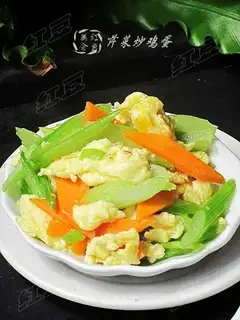 Scrambled eggs with celery
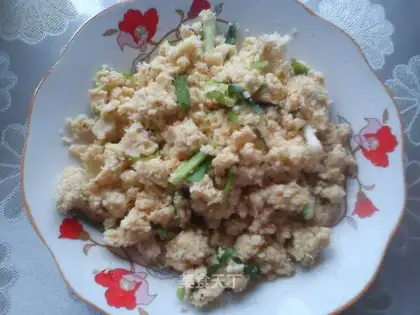 Bean dregs and flowers
 Cinnamon bananas