The more delicious a food is, the harder it is to master. Perhaps it is precisely because of its difficulty in preparation that it tastes even more delicious. Chestnuts are one such food. As a food, even raw chestnuts are very delicious, but that hard-to-peel shell! Chestnuts taste excellent when made into congee, soups, or dishes. What are the ways to eat chestnuts?
Methods of Consumption
Raw Chestnuts: Eating one or two raw chestnuts in the morning and evening, chewing slowly, is effective over time (but eating too many will hinder digestion). It is suitable for elderly people with kidney deficiency, frequent urination, and weakness in the waist and legs.
Chestnut Paste: Grind chestnuts into powder, cook into a paste, and add an appropriate amount of sugar. It is suitable for children's diarrhea.
Chestnut Congee: 20-30 grams of chestnut meat, 100 grams of rice (or glutinous rice), cooked together into a congee, seasoned with an appropriate amount of sugar. It can strengthen the spleen and nourish the stomach, strengthen muscles and tonify the kidneys. It is suitable for elderly people with kidney deficiency, soreness and pain in the waist and back, weakness in the lower limbs, and diarrhea due to spleen deficiency.
Chestnut and Pork Soup: 250 grams of chestnuts (shelled), 200 grams of lean pork, cooked together into a soup, seasoned with salt and monosodium glutamate. It has the effects of replenishing qi and nourishing blood, tonifying the kidneys and nourishing yin. It is suitable for people with general weakness or elderly people with chronic bronchitis that is difficult to cure.
Chestnut and Poria Congee: 30 grams of chestnut meat, 12 grams of Poria, 10 red dates, 60 grams of rice, cooked together into a congee, seasoned with sugar to treat diarrhea caused by spleen and stomach deficiency cold.
Chestnut and Persimmon Cake Paste: 15 grams of chestnut meat, half a persimmon cake, cooked until soft, then ground into a paste to treat children's diarrhea.
Braised Chicken with Chestnuts: 100 grams of chicken, 5 grams of ginger, 10 grams of goji berries, 15-20 chestnuts. Chop the whole chicken into one-inch pieces, select 100 grams of bone-in meat, blanch in boiling water, and place in a soup pot. Then add goji berries, chestnuts, and ginger to the pot in sequence, pour in an appropriate amount of stock. Bring to a boil over high heat, then simmer over low heat for 1 hour. When ready, season with fine salt, monosodium glutamate, and chicken powder, and it is ready to eat.
Chicken can replenish qi and blood, and treat weak spleen and stomach; ginger can induce sweating, dispel cold, stop vomiting, and detoxify; goji berries can tonify the kidneys and benefit essence, nourish the liver and improve eyesight; chestnuts can replenish qi and tonify the kidneys, and have a therapeutic effect on loose stools. When made into a soup, chestnuts are beneficial for intestinal absorption, avoiding the drawback of chestnuts being dry, hot, and difficult to digest. This Braised Chicken with Chestnuts has a good nourishing effect for body fatigue, shortness of breath, and kidney-deficiency back pain.
Chestnut and Walnut Congee: 50 grams each of chestnuts and walnuts, 100 grams of rice, 3 grams of salt, 1 gram of chicken powder. Peel and dice the chestnuts, dice the walnuts, and wash the rice. Set aside. Place a pot on the stove, add an appropriate amount of water, bring to a boil over high heat, add the washed rice, and reduce heat to medium for about 10 minutes. Take a purple clay pot, pour the rice from the soup pot into it, and simmer over low heat until the rice blooms. Then add the chestnuts and walnuts, and simmer for another 20 minutes. Season with salt and chicken powder and mix well.
Health Care Benefits
1. The main effects are nourishing the spleen and stomach, tonifying the kidneys and strengthening muscles, promoting blood circulation and stopping bleeding, etc. It can treat conditions such as nausea, vomiting blood, weakness in the waist and legs, and bloody stools, and can be compared with ginseng, astragalus, and angelica.
2. It has a good therapeutic effect on kidney deficiency. Tang dynasty physician Sun Simiao believed that chestnuts are "the fruit of the kidney, and suitable for kidney patients to eat."
3. The unsaturated fatty acids and various vitamins it contains have effects against hypertension, coronary heart disease, osteoporosis, and arteriosclerosis. It is a nourishing treasure for anti-aging and prolonging life.
4. It contains vitamin B2. Regular consumption of chestnuts is beneficial for children's persistent oral sores and adult oral ulcers.
Appropriate Serving Size
About 10 pieces at a time is appropriate. Traditional Chinese medicine believes that chestnuts can tonify the spleen and strengthen the stomach, tonify the kidneys and strengthen muscles, and promote blood circulation to stop bleeding. It has a good therapeutic effect on kidney deficiency, so it is also called "the fruit of the kidney". However, raw chestnuts are difficult to digest, and cooked chestnuts can easily cause qi stagnation. Eating too many at once will harm the spleen and stomach. A maximum of 10 per day is sufficient.
Eating after meals can lead to weight gain
It is best to eat chestnuts as a snack between meals, or incorporate them into dishes, rather than eating a large amount after meals. Because chestnuts are high in starch, eating them after meals can easily lead to excessive calorie intake, which is not conducive to maintaining weight.
No matter what you eat, you must grasp the "degree". Once this degree is out of control, it has negative effects on the body. Chestnuts are no exception. The darling of the health world--chestnuts, if taken in excess, can lead to weight gain. Chestnuts are high in sugar. Eating too much will affect the sugar level in the blood. Therefore, friends with high blood sugar must control their intake when eating them.
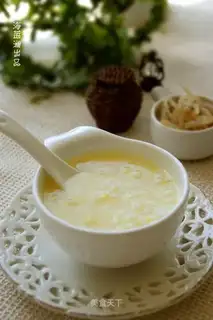 Chestnut porridge