As the temperature drops, many people still "prioritize style over warmth," ultimately leading to catching a cold from exposure. Although a cold is a minor illness, it can be very distressing, with symptoms like a runny nose, headaches, and fever. To avoid the bother of these symptoms, it's best to take preventive measures against colds. So, how can you prevent a cold? Drinking congee is a great method, and here is a detailed introduction:
Lily Seed and Almond Congee
It is recommended to eat more hot congee when you have a cold in the winter, as it helps induce sweating, dissipate heat, expel wind and cold, and promote recovery. At the same time, people tend to have a poor appetite and their digestive systems are weakened after a cold, and congee aids in absorption. Additionally, some medicines can be very irritating to the stomach, and drinking congee can help protect the gastric mucosa.
Rice is the best for making congee
Because rice is mild in nature and neutral in taste, it has the effects of harmonizing the stomach's energy, tonifying a deficient spleen, strengthening muscles and bones, and balancing the five organ systems. Other grains, such as millet, panicled millet, and Job's tears, are sweet and slightly cold in nature, making them less suitable for winter consumption.
In addition, you can add some special ingredients with medicinal properties when cooking congee. The following are several types of congee that are recommended:
Ginger and Perilla Leaf Congee:
Ginger is the best "weapon" for dealing with symptoms like fever, sneezing, and coughing, and it is also a commonly used medicinal herb in Traditional Chinese Medicine with effects of resolving phlegm, dispelling cold, tonifying qi, clearing acne, and relieving asthma. Perilla leaf also has the effect of expelling wind and cold and can be purchased at most pharmacies. The specific method is: 10 grams of perilla leaf, 3 slices of ginger. Add these to a plain congee after it has been cooked, and it's ready to eat once it comes back to a boil.
Saposhnikovia Root Congee:
Saposhnikovia root (available at pharmacies) 15g, 2 green onions, 3 slices of ginger, 50g of rice. First, cook the rice. When it is almost done, add the saposhnikovia root, green onions, and ginger. Salt can be added to taste. This congee can clear heat, expel wind, and relieve pain. It is suitable for symptoms caused by wind-cold, such as aversion to cold with fever, aching bones and joints, a stuffy nose with a heavy voice, and abdominal rumbling with diarrhea.
Almond Congee:
About 20 peeled almonds, 50g of rice. To prepare, first cook the congee. When it is almost done, add the almonds and continue cooking until they are soft. Then, add a little sugar or salt. This congee can stop coughing, calm wheezing, resolve phlegm, and moisten dryness.
Ginger and Jujube Congee:
The effects are similar to Ginger and Perilla Leaf Congee. The method is: Place the rice in a pot and dry-fry it briefly for a moment. Then add water, stir the rice with a spoon, and add the jujubes and ginger slices. Simmer over low heat until the congee is cooked, and add a little salt. It should be noted that these two congees have a very strong warming effect and are not suitable for young children, people with severe eye congestion, or those with hemorrhoids.
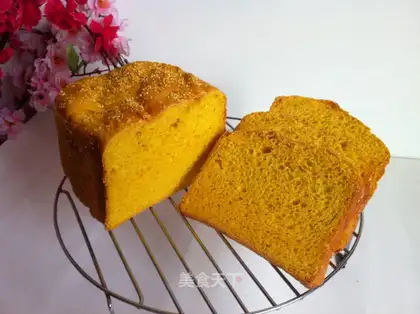 Pure pumpkin toast