Eating lamb soup in winter can both nourish the body and help ward off the cold. The weather in winter is very cold, a time when the body's yang energy is conserved. It is important to protect the body's yang energy so that you will be full of energy in the coming year. Therefore, eating foods that warm the yang is very necessary.
Scallion Lamb
Moreover, lamb can benefit qi and replenish deficiency, nourish the blood and support yang, promote blood circulation, and enhance the body's ability to resist cold. However, lamb is a very "hot" food, so people with symptoms of "internal heat," such as fever, toothache, canker sores, or coughing up yellow phlegm, should not eat it. Patients with liver disease, high blood pressure, acute enteritis, or other infectious diseases, or those with a fever, should also avoid it. When cooking, adding a hawthorn or some radish and mung beans, or using seasonings like scallions, ginger, and cumin during stir-frying can remove the gamey smell.
But experts also warn everyone not to eat too much lamb, because lamb is also a "dry and hot" food. Eating too much can easily damage yin, especially for people with a yin-deficient constitution. This can easily lead to dry and itchy skin, a dry mouth and throat, ulcers, nosebleeds, "internal heat," constipation, and nosebleeds. Therefore, experts point out that while lamb is good, there are some taboos to be aware of when eating it.
Special Tips for Eating Lamb:
One, when eating hot pot lamb, make sure it is cooked through. Raw lamb can often contain bacteria and parasites, so when eating hot pot lamb, choose lamb slices that have passed a quality inspection and cook them until they are fully cooked.
Two, it is not advisable to eat it with sweet, warm, and "hot" foods. For example, vinegar, alcohol, chili peppers. Lamb is very "hot," vinegar is sweet and warm, and its nature is similar to alcohol. Cooking these two things together can easily stir up fire and affect the blood. People with poor heart function and blood-related diseases should pay special attention.
Three, do not cook it in copper utensils. Because when lamb comes into contact with copper, it can produce toxic chemical substances.
Four, patients with hepatitis should not eat too much lamb, as it can加重 the burden on the liver and lead to a relapse.
Five, it is not advisable to take it with tea. Drinking tea immediately after eating lamb can easily cause constipation.
Six, the amount should not be excessive. Lamb is warm and helps to support yang, so don't eat too much at one time. It's best to eat it with some cabbage, vermicelli, etc.
Other Choices for Warding Off the Cold in Winter
Actually, besides lamb, you can also eat warm foods like glutinous rice, dog meat, red dates, longan, and sesame seeds, and eat less cold foods like cold drinks and seafood. This can also help support the body's yang energy from a dietary perspective. Experts believe that in addition to "warming and nourishing" foods, some "moderately nourishing" foods can also be eaten more, such as lotus seeds, Euryale ferox seeds, coix seeds, red dates, bird's nest, and tremella. These foods neither have the characteristics of being "cold" or "warm," nor do they have the drawback of being greasy and hindering digestion. There is also a category of "nourishing" foods that have the effects of nourishing yin, benefiting the kidneys, replenishing essence, and nourishing the marrow. These mainly include black fungus, black dates, sesame seeds, black beans, and soft-shelled turtles.
In conclusion, for warming and nourishing the body in winter, lamb is a great choice, but it also depends on the individual, and there are corresponding precautions that need to be taken into account.
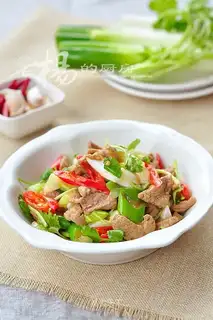 lamb with fried green onions