Porridge, with two "bow" radicals (弓) enclosing a "grain" character (米), implies that porridge should be based on grains. Zhou Yingchun, Chief Physician of the Department of Traditional Chinese Medicine at Nanfang Hospital, Southern Medical University, points out that selecting different ingredients for cooking porridge can achieve different therapeutic effects.
Different porridge ingredients have different therapeutic effects
Rice Porridge
Rice porridge has a more balanced effect on nourishing the five organs (Zang-fu), making it suitable for most people. Glutinous rice, a type of rice, contains more mucilage and has a better effect in replenishing Qi.
Millet Porridge
Millet nourishes the heart and stomach, has a certain protective effect on the stomach, and helps with sleep. For the elderly, the sick, and postpartum women, millet porridge is an ideal nourishing food.
Pumpkin and Corn Porridge
Corn Porridge
Research has confirmed that in addition to carbohydrates, protein, fat, and carotene, corn also contains riboflavin, calcium, magnesium, selenium, and various vitamins, which helps prevent heart disease, high blood pressure, and hyperlipidemia.
Sweet Potato Porridge
Sweet potato can nourish the stomach and spleen and prevent constipation. People with poor spleen and stomach functions are suitable for adding sweet potato to their porridge.
Oatmeal Porridge
Consistently drinking oatmeal porridge helps lower levels of "bad" cholesterol and prevent and treat hyperlipidemia. A Harvard University study has proven that eating a small bowl of coarse grain porridge daily, such as oatmeal porridge, can prolong life.
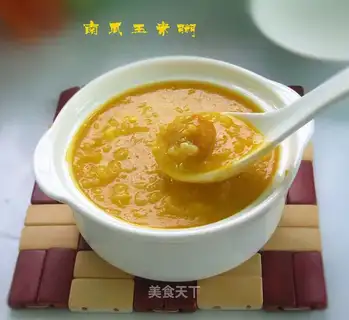 Pumpkin porridge