When winter arrives, to combat the cold, people tend to eat more meat. To maintain a balanced diet, we should also eat more vegetables. What vegetables are healthy to eat in the winter? Health preservation should follow the natural course and adapt to the environment. Here are 10 seasonal vegetables for winter health preservation, each with its own unique health benefits.
Pak Choi Dumplings
1. Pak Choi
In Traditional Chinese Medicine, pak Choi is considered to nourish the stomach, balance the middle, be slightly bitter and cool, and promote smooth flow to benefit the stomach. Pak Choi is rich in vitamin C and calcium, and also contains iron, phosphorus, carotene, and B vitamins.
2. Cauliflower
Cauliflower is rich in various vitamins. Every 200 grams of fresh cauliflower can provide adults with more than 75% of their daily vitamin A requirement. Its vitamin C content is even more outstanding; every 100 grams contains up to 80 mg, which is 3 to 4 times higher than common cabbage or soybean sprouts, and twice that of oranges.
3. Celery
In Traditional Chinese Medicine, celery is considered cool in nature, beneficial for calming the liver and strengthening the stomach. It is sweet, pungent, and non-toxic, and is rich in protein, carbohydrates, carotene, vitamin C, and amino acids. It can stimulate the central nervous system, promote gastric juice secretion, increase appetite, and has an expectorant effect. Celery can be stir-fried with ingredients like dried bean curd or shredded pork, creating a colorful and fragrant dish.
4. Sweet Potato
Sweet potatoes are a highly nutritious food. Because they supply the body with a large amount of mucoprotein, sugar, vitamin A, and vitamin C, they have the effects of replenishing deficiency and weakness, replenishing vital energy, strengthening the spleen and stomach, nourishing the kidneys, harmonizing the stomach, warming the stomach, and benefiting the lungs.
5. Cabbage
The vitamin C content in cabbage is 3.5 times that of tomatoes, and its calcium content is twice that of cucumbers. Cabbage also contains relatively high amounts of the trace elements molybdenum and manganese, which are essential raw materials for the body to produce enzymes, hormones, and other active substances. It can promote the body's metabolism, which is very beneficial for children's growth and development. Its high vitamin C content can enhance the body's anti-cancer capabilities.
Spicy Soybean Sprouts
6. Bean Sprouts
Soybeans and mung beans contain large amounts of protein, fat, and carbohydrates, as well as essential dietary trace elements like sodium, phosphorus, iron, and calcium. After sprouting, they not only retain their original nutrients but also increase their vitamin content, which helps to alleviate fatigue. The chlorophyll in bean sprouts can help prevent rectal cancer.
7. Lettuce
Lettuce has a tender texture and is suitable for both raw consumption and stir-frying. Eating lettuce in the autumn can enhance the secretion of gastric and digestive juices, as well as bile secretion. The potassium content in lettuce is 27 times that of sodium, and the vitamins it contains promote urination and help maintain water balance, which is very beneficial for patients with hypertension and heart disease. Lettuce is high in iodine, which has a favorable effect on the body's basal metabolism and physical development. The nutritional value of lettuce leaves is far higher than that of the stems. The fluorine in lettuce can participate in the formation of tooth enamel and dentin and in bone growth. Additionally, for people with a cough in the autumn, eating more lettuce leaves can help soothe it.
8. Carrot
In Traditional Chinese Medicine, carrots are rich in vitamins, are sweet and mild in taste, and are eaten to strengthen the spleen and stomach. At the end of autumn, carrots are best eaten stewed, and stir-frying is also a good method. Stewing can preserve over 93% of the carotene, while stir-frying can preserve over 80%.
9. Radish
In Traditional Chinese Medicine, radishes are cool in nature, pungent and sweet in taste, and affect the lung and stomach meridians. They can resolve food stagnation, transform phlegm-heat, promote the downward flow of qi to harmonize the middle, and detoxify. They are used for conditions such as food stagnation and bloating, and difficult urination. Radishes contain a relatively high amount of water, vitamin C, calcium, phosphorus, carbohydrates, and small amounts of protein, iron, and other beneficial vitamins. Radishes have a significant effect on regulating the spleen and stomach and also have a辅助 therapeutic effect on common winter ailments such as indigestion, wind-heat type colds, tonsillitis, cough with excessive phlegm, and sore throat.
10. Taro
Taro is rich in starch and nutritious. Its soft texture makes it easy to digest and it has a stomach-strengthening effect, making it very suitable for people with a weak spleen and stomach, intestinal diseases, tuberculosis, and those in the recovery period. It is an excellent food choice for infants and the elderly.
In the winter, we can eat more of these seasonal vegetables, but we must wash them thoroughly to minimize pesticide residue. When cooking these vegetables, we should choose methods that minimize nutrient loss. These vegetables can also be stir-fried with meat for a healthy and nutritious meal.
 Fried salmon
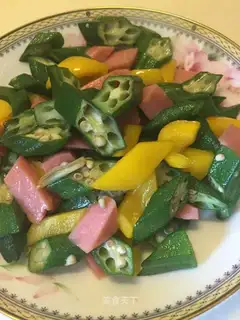 Sweet peppers and accelerants