Pomelo is cold-natured. People with a weak spleen who suffer from diarrhea will experience worsened symptoms after eating pomelo, so those with a weak and cold constitution should not eat too much. What are the taboos of eating pomelo in early winter?
Currently, it is the best season for eating pomelo. Pomelo is highly nutritious, containing very rich proteins, organic acids, and essential elements for the human body such as calcium, phosphorus, magnesium, and sodium, which are difficult for other fruits to match. Pomelo flesh is also rich in components like Vitamin C and insulin-like substances, which have effects such as lowering blood sugar, lowering blood lipids, weight loss, and skin beautification. Regular consumption has an auxiliary therapeutic effect on diseases like hypertension, diabetes, and arteriosclerosis, and has a body-building and beautifying effect for obese people. In addition, pomelo contains the physiologically active substance naringin, which can reduce blood viscosity and decrease thrombus formation, thus also having a preventive effect on cerebrovascular diseases.
According to Traditional Chinese Medicine, pomelo is sweet and sour in taste and cold in nature, and has effects such as regulating qi and resolving phlegm, moistening the lungs and clearing the intestines, and nourishing blood and strengthening the spleen. It is an excellent fruit for nourishing the lungs in winter and relieving coughs after a cold.
Honey Pomelo Tea
There are also taboos for eating pomelo:
1. Pomelo cannot be taken with certain medications. Clinically, it was found that when a patient with hyperlipidemia took a Mevacor tablet with a glass of pomelo juice, the effect was equivalent to taking 12-15 tablets of the same type of drug with a glass of water to lower blood lipids, and the patient would experience muscle pain and even kidney damage. Some patients taking the antihistamine terfenadine experienced dizziness, palpitations, arrhythmias, and in severe cases, sudden death after eating pomelo or drinking pomelo juice. Other drugs that have adverse interactions with pomelo include cyclosporine, caffeine, calcium channel blockers, and cisapride. The possibility of an interaction between pomelo juice and drugs can last for 24 hours. Therefore, patients taking medication, especially the elderly, should best avoid eating pomelo or drinking pomelo juice.
2. Women taking birth control pills should avoid it. A US study shows that pomelo's effect on birth control pills is most prominent. Experts say, "If a woman taking birth control pills eats 1-2 pomelos after sexual intercourse, or takes the pill with a large glass of pomelo juice, she could become a mother, because pomelo hinders the absorption of the contraceptive by women."
3. Pomelo is cold-natured. People with a weak spleen who suffer from diarrhea will experience worsened symptoms after eating pomelo, so those with a weak and cold constitution should not eat too much.
4. Patients with hypertension should not eat pomelo while taking medication. Experts advise that during the period of taking antihypertensive drugs, one should not eat pomelo or drink pomelo juice, otherwise it can cause serious toxic and side effects such as a sharp drop in blood pressure. Grandma Cai has had hypertension for many years and has been taking her medication on time and paying attention to her diet, keeping her blood pressure well-controlled. Recently, she heard that pomelo is rich in Vitamin C and various insulin-like components that can lower blood lipids and blood sugar, so she started eating pomelo often. Who would have thought, recently, after eating more than half a pomelo, Grandma Cai soon experienced dizziness, nausea, palpitations, weakness, and a drop in blood pressure. Doctor Liu Peng explained that taking antihypertensive drugs while eating pomelo is like taking an overdose of the medication, causing a significant and sharp drop in blood pressure, which can even induce angina pectoris, myocardial infarction, or stroke.
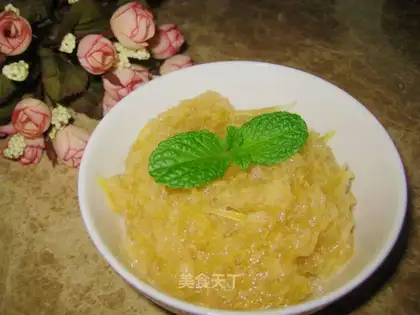 honey Citron tea