Fat is not the enemy of the liver
Seeing more and more people around them with fatty liver, many people mistakenly believe that fat is the liver's worst enemy. In fact, whether or not you have fatty liver, fat is an essential nutrient for the liver. Without it, the liver cannot function properly. Liu Shijing says, "Some patients, after being diagnosed with fatty liver, start eating only vegetables and fruits, which is a big misconception." Even if you have fatty liver, you don't have to completely say goodbye to meat. Wang Xingguo, a standing director of the Dalian Nutrition Society and chief physician of the nutrition department at the Second Affiliated Hospital of Dalian Medical University, told the Life Times reporter that to nourish and protect the liver, the daily diet should ideally have fat and protein each accounting for 20%, with the remaining 60% being carbohydrates, such as staple foods. The liver needs fat, but that doesn't mean it needs excessive fat. Therefore, lean meats, low-fat milk, shrimp, and other low-fat foods are the top choices.
Protein can repair the liver
"High-protein, low-calorie" foods like eggs, tofu, milk, fish, chicken, sesame seeds, and pine nuts are the liver's favorites. The abundant protein in these foods acts like the liver's "repair crew," helping to repair liver cells and promote their regeneration. Liu Shijing states that a normal person should consume more than 90 grams of high-quality protein daily. For those with impaired or weakened liver function, eating more high-protein foods is more beneficial for liver recovery and preventing further damage. Patients with acute hepatitis should consume no less than 80 grams of protein per day, while patients with cirrhosis should consume no less than 100 grams.
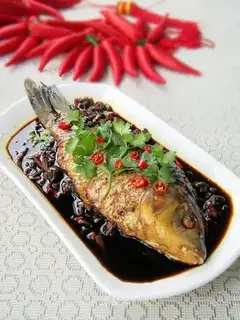
Liver-loving fish
The liver loves sugar
Most people don't know that sugar is an important substance for protecting the liver. Each gram of glucose provides about 70% of the energy the body needs. If a person lacks energy for a long time, it will affect liver function. Sugar can also synthesize a substance called glycogen, which is stored in the liver to prevent toxins from damaging liver cells. Except for diabetic patients, ordinary people can calculate how much sugar they should eat daily based on their weight. Consuming 1 gram of sugar per kilogram of body weight means a 60-kilogram adult should not consume more than 60 grams of sugar per day. Following this standard will not only reduce lifespan but also be beneficial to health. Generally, the main sources of sugar include rice, noodles, white sugar, honey, fruit juice, and fruit. A large spoonful of jam contains about 15 grams of sugar, a can of cola about 37 grams, three small pieces of chocolate about 9 grams, and one egg roll ice cream about 10 grams.
Vitamin A can fight liver cancer
The liver is the body's "warehouse" for storing vitamins. When the liver is damaged, the warehouse's ability to store vitamins also decreases. Research shows that vitamin A can protect the liver, prevent and inhibit the proliferation of cancer cells in the liver. It can restore normal tissue function and help chemotherapy patients reduce the cancer recurrence rate. Wang Xingguo says that the daily intake of vitamin A should be: 800 micrograms for men and 750 micrograms for women. Never exceed 3000 micrograms to avoid damaging the liver. Eating one carrot, 65 grams of chicken liver, 200 grams of canned tuna, or a glass of milk daily can meet this requirement. Tomatoes, carrots, spinach, animal liver, cod liver oil, and dairy products are also rich in vitamin A.
B vitamins are the liver's "gas station"
B vitamins are like the body's "oil depots." They accelerate metabolism, converting substances into energy. They not only "refuel" the liver but also repair liver function and prevent fatty liver degeneration, thereby helping to prevent fatty liver. People who drink alcohol should especially supplement more B vitamins, as studies have shown that B vitamins can enhance the liver's tolerance to alcohol, thus playing a protective role. Since B vitamins are water-soluble and remain in the body for only a few hours, they must be supplemented daily. Wang Xingguo says that for people already with liver disease, the daily intake should be between 10-30 milligrams, with a maximum of 30 milligrams. Pork, soybeans, rice, shiitake mushrooms, and other foods are rich in B vitamins, but it is difficult to get all of them from food, so supplements can be considered.
Vitamin E is a new weapon for liver protection
Scientists at Queen Sofia University Hospital in Spain recently stated that vitamin E can prevent the aging of liver tissue. Patricia Robic, a senior advisor at the U.S. National Institute of Diabetes and Digestive and Kidney Diseases, also pointed out: "Vitamin E will become a new weapon for treating non-alcoholic fatty liver." Vitamin E is abundant in malt, soybeans, vegetable oils, nuts, and green leafy vegetables. Wang Xingguo recommends that healthy people should consume 12 mg of vitamin E daily, which is equivalent to 2 tablespoons of sunflower oil or 30-50 grams of nuts like almonds, walnuts, and peanuts. If you have liver disease, you need to supplement at least 100 mg daily to meet the liver's needs.
The liver likes green food
Research has found that green, white, and light blue colors help reduce psychological stress and fear of the disease in liver patients. Outdoor green tree shades and lawns, calm lake water, and elegant green environments can all promote recovery for liver patients. Placing a green plant on your desk, choosing elegant wall colors when decorating, or even wearing light green clothes can help nourish the liver. Traditional Chinese medicine says: "Green enters the liver meridian." Green food can benefit the circulation and metabolism of liver qi, eliminate fatigue, and soothe liver depression. Eating more dark or green foods can help nourish and protect the liver, such as broccoli, spinach, and green apples.
Based on these nutrients, Professor Shen Yanying, Vice President of Beijing Chaoyang Hospital affiliated with Capital Medical University, combines her years of health experience to recommend five liver-protecting foods. Millet and other grains are the top choice for liver protection, as they are rich in protein, vitamin E, and B vitamins, and can also protect the gastric mucosa while protecting the liver. Green apples have the effect of nourishing the liver and detoxifying, and are rich in vitamins, so you can eat more of them. The calcium content in kelp is 10 times that of milk, and it contains a variety of essential trace elements for the human body, so eating more is beneficial for the liver. The liver is the body's main detoxification organ, and foods with strong detoxification functions like mushrooms can provide excellent protection for the liver. Milk contains high-quality protein, easily absorbable lactose and milk fat, and various vitamins, making it a natural delicacy for liver nourishment.
 No firefish