Children are in a stage of vigorous growth and development, and their bodies are naturally full of 'yang' energy. Inappropriate supplements not only fail to provide health benefits but can also cause harm to the body. For children with a cold, a light diet is best; otherwise, it may have the opposite effect. Children expend a lot of energy in the winter, so their food intake should be appropriately increased to meet the body's energy needs. However, parents often mistakenly believe that increasing food intake means consuming more high-protein and high-fat foods, which is incorrect. A balanced diet should be provided for children in all seasons.
Coconut-scented Black Rice and Fruit Porridge
Director Li reminds parents to pay attention to vitamin supplementation. In cold weather, children have less outdoor time and are exposed to less sunlight, which can easily lead to a vitamin D deficiency. Therefore, parents can add more vitamin D-rich foods to their children's diet, such as animal liver. With increased caloric intake, the metabolism of vitamins B1 and B2 also increases significantly, while vitamins C and A can enhance the body's cold tolerance and adaptation to cold. Additionally, it is important to supplement with minerals. Medical research has shown that a lack of minerals in the body can make one more susceptible to feeling cold. Therefore, to help children stay warm, they should be given more mineral-rich foods. Foods rich in vitamins and minerals include vegetables, fruits, and various coarse grains.
Currently, the cold weather is a high-incidence period for children's colds. When a child is sick, parents should ensure they drink plenty of water and eat light foods. Semi-liquid and liquid foods are recommended, including various vegetable soups, juices, fruits, noodles, and congee. If the child's appetite is poor, do not force them to eat. If the child's fever has subsided and their appetite is returning, semi-liquid foods like soups and congee can be given, in several small meals throughout the day. Children with colds should avoid rich, greasy, and sweet foods and must not take any supplements to prevent a relapse of the illness.
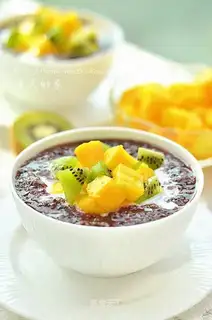 Coconut and black rice