Mushroom foods are low in calories, not only a source of plant-based protein but also rich in various nutrients. For the elderly, moderate consumption of mushrooms is highly beneficial for preventing cardiovascular and cerebrovascular diseases.
Cold-dressed Black Fungus
Shiitake Mushroom.
Lentinan in shiitake mushrooms can lower harmful cholesterol, has a good protective effect on the cardiovascular system, and can effectively prevent atherosclerosis. Dried shiitake mushrooms are suitable for stewing, which can soften the fibers thoroughly, improving the texture. The nutritional value of the shiitake mushroom cap is greater than that of the stem. When soaking shiitake mushrooms, use warm water at 20°C to 35°C. When cooking, pour the soaking water into the pot as well to avoid losing nutrients.
King Oyster Mushroom.
King oyster mushrooms have a thick and meaty texture, rich in protein, carbohydrates, vitamins, and minerals such as calcium, magnesium, copper, and zinc. They can help soften and protect blood vessels. They are suitable for stir-frying, braising, stewing, and also for hot pot or as a cold salad.
Lion's Mane Mushroom.
In the mushroom family, lion's mane mushroom is considered a more premium variety. It has effects such as anti-cancer, anti-aging, and enhancing immunity, making it a great health food. The best way to eat it is by simmering in soup, such as chicken or pork rib soup. Some of the nutrients from the lion's mane mushroom can be infused into the soup, which is also delicious.
Black Fungus.
Black fungus is also a member of the mushroom family. As a famous "blood vessel scavenger," it can reduce platelet aggregation, prevent thrombosis, lower blood lipids and cholesterol, and delay atherosclerosis, which is beneficial for preventing and treating coronary heart disease and stroke. Elderly friends can eat black fungus twice a week, either cold-dressed or stir-fried. Both are good options.
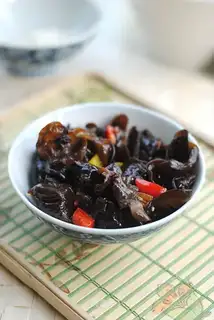 Black fungus salad