In addition to exercising more and wearing warm clothes to stay warm in winter, you can also eat more cold-resistant foods to improve the body's ability to resist cold.
Vegetables
Includes fresh, canned (without seasonings, fat, sugar, or other additives) vegetables; tomato sauce. It should be noted that vegetables cannot be combined with non-core foods (such as fried vegetables and beans, oil-soaked vegetables, candied vegetables, etc. are not core foods); vegetable juice is not a core food.
Fruits
Includes fresh, canned (in syrup) fruits. If canned, they must be soaked in water or pure fruit juice (not syrup), and the soaking liquid is not edible; dried fruits (apricots, peaches, bananas, etc.) are not considered core foods; fruit juice is not a core food.
Skim dairy products and other milk substitutes
Includes skim milk, skim cheese, sugar-free skim yogurt; soy milk, tofu, and bean products without additives. Foods made from the above ingredients, such as milkshakes and hot chocolate, must be sugar-free and low-calorie, and can be consumed once a day.
Root vegetables
Medical researchers have found that a person's aversion to cold is related to the lack of inorganic salts in the body. Lotus root, carrots, lilies, yams, green vegetables, Chinese cabbage, etc., are rich in inorganic salts. These foods can be mixed with other foods.
Meat
Dog meat, lamb, beef, and venison have better cold-resistant effects. They are high in protein, carbohydrates, and fat, and have the effects of tonifying the kidneys, strengthening yang, warming the middle, warming the lower body, and replenishing qi and promoting blood circulation. Eating these meats can speed up the metabolism of people with yang deficiency, enhance endocrine function, and thus achieve the effect of cold resistance.
1. Lamb: It is sweet and warm in nature, rich in fat, protein, carbohydrates, inorganic salts, and nutrients such as calcium, phosphorus, and iron. It has the effects of warming the middle and replenishing deficiency, whetting the appetite and strengthening the spleen, tonifying the kidneys and nourishing the liver, and resisting cold and removing dampness. It has always been a good product for resisting cold and tonifying yang in winter. Regular consumption in winter can also protect the gastrointestinal mucosa, increase digestive enzyme secretion, and promote digestion and absorption.
2. Dog meat: It is warm in nature and sweet in taste. It can calm the five organs, warm the waist and knees, warm the kidneys and strengthen yang, and is good for treating diseases such as spleen and stomach deficiency cold. Regular consumption in winter has a good warming and cold-resistant effect on low back pain, cold feet, and weak constitution.
Spicy seaweed salad
Iron-rich foods
Researchers at Pennsylvania State University in the United States have found that people with low iron in their blood are also afraid of cold.
The body temperature of anemic women is 0.7°C lower than that of women with normal hemoglobin, and their heat production is 13% less. After increasing iron intake, their cold resistance is significantly enhanced. Therefore, women who are afraid of cold can consciously increase their intake of iron-rich foods, such as animal liver, lean meat, spinach, egg yolk, etc.
Iodine-rich foods
Iodine-rich foods such as kelp, seaweed, sea salt, fat choy, jellyfish, clams, Chinese cabbage, spinach, corn, etc. can promote the secretion of human thyroid hormones.
Thyroid hormones have a thermogenic effect. They can accelerate the oxidation process of most tissue cells in the body (except the brain, glands, and uterus), increase heat production, increase the basal metabolic rate, enhance skin blood circulation, and resist cold.
Spicy foods
Chili contains capsaicin, ginger contains aromatic volatile oil, and pepper contains piperine.
Example: Chili can stimulate appetite and improve digestion, it can speed up the heartbeat, dilate peripheral capillaries, increase blood flow to the body surface, so eating some chili in winter can resist cold, and prevent joint pain, waist and leg pain, and stomach deficiency cold caused by dampness.
Soups
Includes: fresh, frozen, canned (without seasonings, fat, sugar, or other additives) clear soups. Western-style cream soups and concentrated meat soups are not considered core foods.
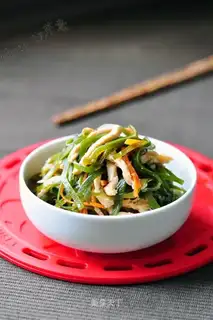 The seaweed