Dietary fiber is a great detoxifier and beauty enhancer for women. It can promote intestinal peristalsis and aid digestion and bowel movements; at the same time, dietary fiber can also adsorb harmful substances retained in the intestines, helping the body detoxify.
Low-Fat Banana Oat Cookies
Dietary fiber for detoxification, cleansing the intestines, and enhancing beauty
If waste matter in the stomach, especially fecal matter and food residues in the intestines, is not excreted from the body in time, it will oxidize and ferment, producing various unhealthy toxins for the human body. These intestinal toxins will be directly reflected on a person's skin, such as dryness, sallow complexion, spots, acne, and poor complexion.
When dietary fiber enters the intestines, it can stimulate intestinal peristalsis, increase the volume of stool, soften it, and accelerate the excretion of feces and toxins, playing a detoxifying and beautifying role. In addition, dietary fiber can delay and reduce the absorption of harmful substances such as heavy metals, reducing and preventing the toxic effects of harmful chemicals on the human body.
If you find your skin is dull and lacks luster, and you often suffer from constipation, it means that toxins in your body cannot be expelled and are accumulating. Supplement your body with fiber to cleanse your intestines and detoxify.
Dietary Tip: Get enough dietary fiber
【Grains】
Grains not only supply the heat and some protein necessary for human cell activities, but also provide various vitamins, mainly B vitamins, and also contain fiber, which promotes colon peristalsis, increases the number of normal intestinal bacteria, and helps the digestion and absorption of food.
1. Oats
The white rice we usually eat is refined white rice that has been milled and processed. The bran and the most nutritious germ have been removed, leaving only the endosperm, which is mostly starch.
In contrast, oats among coarse grains are one of the grains with the highest dietary fiber content, containing ten times as much as white rice. Because it is made from whole oat groats that are directly flattened, it retains the nutrient-rich bran and germ.
Recommended: Tomato and Mushroom Oat Soup
Ingredients: 1 teaspoon of vegetable oil, 1 chopped onion, 1 minced garlic, 4 teaspoons of sliced mushrooms, 1/2 cup of cooked oatmeal, 2 cups of stock, 5 cups of water, 1 cup of diced tomatoes, 2 cups of low-fat milk or 2 cups of unsweetened soy milk.
Seasoning: Salt to taste, a pinch of black pepper.
Method: Heat 1 teaspoon of oil in a pot and sauté the chopped onion and minced garlic until fragrant. Add the sliced mushrooms and cook until the onion and mushrooms are soft.
Add the cooked oatmeal, stock, water, and diced tomatoes and mix well.
Once the mixture comes to a boil, reduce the heat and simmer for 5 minutes.
Finally, pour in the low-fat milk or unsweetened soy milk. Season with a little salt and pepper and cook until it just starts to simmer.
2. Corn
Corn is rich in dietary fiber, which can promote intestinal peristalsis and reduce the human body's absorption of toxins. Its content of nutrients such as magnesium, calcium, and carotene is also higher than that of other grains, and it has the effect of scavenging free radicals, which is very beneficial for delaying aging. Corn also contains 7 "anti-aging agents": calcium, glutathione, vitamin A, magnesium, selenium, vitamin E, and fatty acids. Among them, vitamin E can promote cell division, delay aging, prevent skin diseases, and also alleviate arteriosclerosis and brain function decline.
Among all staple foods made from white flour and rice, corn has the highest nutritional value, with a vitamin content 5-10 times that of rice and wheat.
3. Millet
Millet is a nutritious food that the human body needs and is easily digested and absorbed, so nutrition experts call it "health rice." According to nutritional analysis, the nutritional advantages of millet are very prominent compared to rice. Its dietary fiber content is 4 times that of rice.
In addition, the fat content of millet is 7.8 times that of rice, and it is mainly unsaturated fatty acids. Vitamin E is 4.8 times that of rice, iron content is 4.8 times that of rice, and phosphorus content is 2.3 times that of rice.
【Tubers】
Roasted Sweet Potato
1. Taro
Taro is rich in starch and has a high dietary fiber content. The rich dietary fiber in taro is about four times that of rice, comparable to the fiber content of vegetables. Eating taro as a staple food can increase satiety, reduce calorie intake, and achieve the goal of weight loss.
Health TIPS:
1. The mucus of taro contains saponins, which can irritate the skin and cause severe itching. Therefore, it is best to wear gloves when handling taro. You can hold your hands over a fire, wash them in water with added vinegar, or apply medicated oil to relieve the itching.
2. When choosing a starchy taro, it is recommended to select one with dense and numerous head patterns and a relatively round shape. A good taro is firm and free of spots.
2. Sweet Potato
Sweet potatoes are rich in dietary fiber, carotene, vitamins A, B, C, E, and more than 10 trace elements such as potassium, iron, copper, selenium, and calcium. They are highly nutritious and are called by nutritionists the most balanced health food.
Sweet potatoes contain a large amount of dietary fiber that cannot be digested and absorbed in the intestines. It can stimulate the intestines, enhance peristalsis, and promote bowel movements for detoxification.
3. Chinese Yam
Chinese yam is rich in dietary fiber, which can promote intestinal peristalsis and aid digestion and excretion. Secondly, Chinese yam is a highly nutritious, low-calorie food, so beauty-conscious individuals can eat it without worrying about gaining weight.
Moreover, the mucilage in Chinese yam contains the basic substances of female hormones, which can promote the synthesis of hormones and help women regulate their endocrine system.
Recommended: Chinese Yam and Apple Juice
Ingredients: 15 grams of Chinese yam powder, 1 apple, 250 ml of fresh milk.
Method:
1. First, wash the apple, peel it, and cut it into small pieces.
2. Put the Chinese yam powder, apple pieces, and fresh milk into a juicer and blend.
3. You can add an appropriate amount of sugar and boiled water according to your personal taste for a better flavor.
【Fruits】
Banana Pancake
1. Banana
Bananas are rich in dietary fiber. A large part of it is not digested or absorbed, but it can increase the volume of stool and promote intestinal peristalsis.
At the same time, bananas have a sugar content of over 15% and contain a large amount of water-soluble plant fiber, which can cause an osmotic secretion of gastrointestinal fluid, thereby absorbing water into the solid part and making the stool soft and easy to excrete.
Note: Unripe bananas can cause constipation
Only ripe bananas have a laxative effect; unripe bananas may have the opposite effect.
Some bananas are very yellow on the outside, but the flesh is firm and even a bit astringent when eaten. Such bananas are not ripe. They contain more tannic acid, which is similar to the barium agent used in barium enemas. It is difficult to dissolve and has an astringent effect on the digestive tract, inhibiting the secretion and peristalsis of gastrointestinal fluids. If consumed in excess, it can cause or worsen constipation.
2. Apple
Apples are rich in dietary fiber pectin, so apples can play a bidirectional regulatory role in relieving constipation.
When constipated, eating more apples can have a laxative effect. The pectin in apples can absorb 2.5 times its own volume in water, making the stool soft and easy to pass, relieving constipation. When there is diarrhea, the pectin in apples can absorb water from the stool, making loose stools thicker, thus playing an anti-diarrheal role.
3. Fresh Jujube
Fresh jujubes have a very high dietary fiber content, significantly higher than other common fruits. For example, the average dietary fiber content of grapes is 0.4%, apples is 1.2%, while jujubes can be as high as 1.9%. Eating more fresh jujubes can promote bowel movements and prevent constipation. The dietary fiber in jujubes is mainly concentrated in the skin, so it is best to eat it with the skin on.
Note: Dietary fiber cannot be digested in the stomach and small intestine. A small intake is beneficial, but a large intake at once can irritate the stomach and cause gastrointestinal discomfort. The flesh of the jujube is crisp, but the skin is very thin and hard, with particularly sharp edges. People with stomach diseases or discomfort should not eat too many.
【Root Vegetables】
Stir-Fried Celery with Carrot
1. Carrot
Carrots are also foods rich in dietary fiber, which can promote intestinal peristalsis, promote the excretion of waste from the body, and improve the environment in the intestines.
Moreover, the rich carotene in carrots can be converted into vitamin A in the body, which can effectively moisturize the skin, remove toxins, and prevent skin problems such as spots and acne.
Recommended: Carrot and Celery Juice
Main ingredients: 500 grams of carrots, 500 grams of celery.
Method:
1. First, peel the carrots, wash them, and cut them into cubes for later use.
2. Remove the roots and leaves from the celery, wash them, and cut into sections for later use.
3. Put the carrots and celery into a juicer to extract the juice at the same time.
2. Bamboo Shoot
Bamboo shoots are high in fiber. In the intestines, they can reduce the human body's absorption of fat, increase intestinal peristalsis, promote digestion and absorption, and reduce the incidence of diseases related to high blood lipids.
At the same time, bamboo shoots are also rich in protein, carotene, various vitamins, and inorganic salts such as iron, phosphorus, and magnesium, as well as 18 beneficial amino acids; they also contain various polysaccharides that can prevent cancer, making them an ideal health and beauty food.
3. Burdock
When it comes to dietary fiber, one food that must be mentioned is burdock. In addition to being rich in dietary fiber, it also contains various rich minerals.
The dietary fiber in burdock can promote large intestine peristalsis, help with bowel movements, lower cholesterol in the body, and reduce the accumulation of toxins and waste in the body, having the function of preventing and treating constipation.
3 Major Misunderstandings About Dietary Fiber, Do You Have Them?
Stir-Fried Celery with Lily Bulbs
Dietary fiber has been very popular in recent years. Because it can "clean the intestines," "prevent fat accumulation," and "relieve constipation," it is loved by many beauty-conscious people and the middle-aged and elderly. The fine threads visible in celery are the most intuitive dietary fiber. But in fact, dietary fiber is diverse, and its health benefits for the stomach and intestines vary from person to person. To sum up, almost everyone has the following three misconceptions.
Misconception 1: Only foods with a coarse texture contain fiber.
According to their physical properties, dietary fiber is divided into two categories: soluble and insoluble. Insoluble fiber is mainly found in wheat bran, nuts, and vegetables. Because it cannot dissolve, it has a coarse texture. It mainly improves the function of the large intestine, including shortening the transit time of digestive residues, increasing the frequency of bowel movements, and preventing constipation and colon cancer. The fiber in celery is this type.
Barley, beans, carrots, citrus, oats, etc., are rich in soluble fiber, which can slow down the digestion of food, stabilize post-meal blood sugar, and also lower blood cholesterol levels. These foods have a finer texture but are also rich in dietary fiber.
Misconception 2: Fiber can expel waste but retain nutrients.
While dietary fiber prevents the human body from absorbing harmful substances, it also affects the absorption of protein, inorganic salts, and some trace elements in food. Especially for children and adolescents in the growth and development stage, too much dietary fiber may carry some essential nutrients out of the body, causing malnutrition.
Therefore, eating high-fiber foods should be done in moderation, and children in particular should not eat too much.
Misconception 3: People with poor stomach and intestines should supplement more dietary fiber.
Dietary fiber can indeed relieve constipation, but it can also cause bloating and abdominal pain. For people with poor gastrointestinal function, eating more dietary fiber can instead irritate the gastrointestinal tract. For adults, an intake of 25-35 grams of fiber per day is sufficient.
 Banana Band
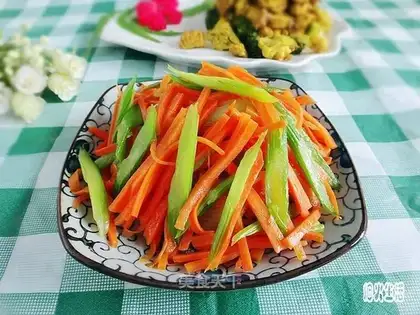 Celery makes carrots
 The Celery Lily
 Roast potatoes
 Toast
Toast