Most women do not get enough iron in their daily diet, which is why they tend to feel particularly cold in winter. If you don't want to be a "cold beauty" in the winter, you need to ensure you get sufficient iron to resist the cold snap.
Tomato and Pork Liver Soup
If you don't want to be a "frozen beauty" in the winter, you need to replenish your body's iron supply. Iron intake plays a crucial role in helping women stay warm. An iron deficiency in women can cause the body's heat production to decrease, leading to cold hands and feet, and a general aversion to the cold. How to supplement iron and fight the cold?
Feeling cold all over when the weather turns cold, even when wearing thick clothes? Maybe your body is deficient in iron! Iron has a significant impact on a woman's ability to withstand the cold. Once the blood is low in iron, the body produces less heat and has a lower body temperature.
Most women do not get enough iron in their daily diet, which is why they tend to feel particularly cold in winter. If you don't want to be a "cold beauty" in the winter, you need to ensure you get sufficient iron to resist the cold snap.
Low iron in your blood makes you more sensitive to the cold
The body's heat comes from the oxidation of nutrients, a process that requires oxygen. The "oxygen carriers" in the human body are hemoglobin, which contains iron. Therefore, winter is the busiest and most tiring time for these oxygen carriers.
In the human body, iron is a key ingredient for making hemoglobin, the main functional substance in red blood cells, responsible for transporting and metabolizing oxygen in the body. However, if iron is lacking, hemoglobin becomes too weak to transport oxygen, just like a person who is hungry. When the heat produced by the body is insufficient, a person will naturally feel cold and sensitive to the cold.
If a woman has an iron deficiency due to menstruation and does not replenish it through her diet, it can affect the blood's oxygen-carrying capacity. This results in insufficient heat production during physical activity, especially in the extremities like the hands and feet.
Since iron intake is so important for women to stay warm, how can you supplement it in your daily life? iask.com will teach you a few dietary tips.
Iron-rich foods
1. Pork Liver
Every 100 grams of pork liver contains 31.1 mg of iron. Besides being rich in iron, it also contains other nutrients like protein, vitamin A, and folic acid, making its nutritional profile quite comprehensive.
However, be mindful when eating pork liver, as it is also high in cholesterol. Therefore, it's best not to consume it in excessive amounts.
2. Beef
Beef is extremely nutritious. Every 100 grams of beef contains 3.2 mg of iron and 20.1 mg of protein. Regular consumption of beef can also help strengthen the spleen and stomach.
So, you don't have to wait until your period to start eating more beef; you should include these iron-rich foods in your regular diet.
3. Animal Liver
Livers are rich in various nutrients and are the top choice for preventing iron-deficiency anemia. Compared to plant-based fruits and vegetables, the animal-based iron in livers is more easily absorbed by the human body.
Pork liver has the highest iron content, at 29.1 mg per 100 grams, followed by lamb liver at 17.9 mg, beef liver at 8.8 mg, and chicken liver at the lowest, with only 8.5 mg per 100 grams.
4. Pork
Pork is the most common meat on our dinner tables, and its nutritional value should not be overlooked. Every 100 grams of pork contains 3.4 mg of iron. It also has the effect of moisturizing the intestines and nourishing the stomach, making it an essential iron supplement for people of all ages.
5. Egg Yolk
Every 100 grams of egg yolk contains 7 mg of iron. Although the absorption rate is only 3%, eggs are readily available, easy to prepare, and convenient to store.
6. Animal Blood
The iron in animal blood, such as pig, chicken, or duck blood, has a utilization rate of 12%. If handled hygienically and processed into blood tofu, it is very beneficial for replenishing iron in the body.
7. Various Lean Meats
Although lean meats don't have a very high iron content, the iron's absorption rate is similar to that of pork liver, and they are easy to purchase and prepare.
8. Soybeans and Their Products
The importance of soybeans in the nutrition of the Chinese people and children has been mentioned by many nutritionists. Every 100 grams of soybeans and soybean flour contain 11 mg of iron, with a human absorption rate of 7%, which is much higher than the absorption rate of iron from rice and flour.
9. Fungus and Mushrooms
These are high in iron, especially木耳 (wood ear fungus), which contains 185 mg of iron per 100 grams. Since ancient times, people have regarded it as a great food for nourishing the blood. In addition, seafood products like kelp and seaweed are also good foods for preventing and treating iron-deficiency anemia.
Dietary Recommendations
Eat more red meat and lean meat:
Livers, pork, beef, clams, or pig or duck blood are good sources of iron and are rich in protein, which helps with iron absorption. Generally, the redder the meat, the higher the heme iron content.
Eat more iron-rich vegetables and legumes:
Fortified breakfast cereals, peanuts, red beans, peas, soybeans, and dark green vegetables like red amaranth and sweet potato leaves are not only high in iron but also contain folic acid, which helps in the production of red blood cells. These foods can be cooked with lean meat to increase iron absorption.
Vitamin C can enhance iron absorption:
Vitamin C promotes the absorption of iron from plant-based foods. Therefore, vegetarians can eat more foods that contain both iron and vitamin C. Examples include pumpkin seeds, black sesame seeds, nuts, black moss, and strawberries, or drinking a glass of orange juice with a meal can double the body's absorption of iron.
Dietary Restrictions
Reduce alkaline foods
Such as kelp, carrots, soda crackers, cucumbers, and sweet potatoes, as these can increase the alkalinity of the blood, affecting stomach acid levels and pH, which is not conducive to the absorption of iron supplements.
Reduce dried fruits
Such as apricot kernels and peach kernels, as they contain amygdalin, which can react with iron supplements to form ferrocyanide, reducing its absorption and affecting its efficacy.
Avoid legumes
If soy milk is taken with iron supplements, it will react rapidly in the intestines to form a special chelate that the body cannot absorb, rendering the iron supplement ineffective. Plant fiber in soybeans can also affect the absorption of iron, zinc, and other metal elements, so it's best to drink less soy milk while supplementing iron.
Avoid tea or coffee after meals:
Tannins in tea or coffee will bind with iron and reduce its absorption. It's best to avoid drinking tea or coffee during and after meals.
Be mindful of the effects of calcium:
Calcium and phosphates in milk or cheese can hinder iron absorption. If you want to consume more calcium and iron, it's best to stagger your intake. For example, drink milk at breakfast or for a snack to supplement calcium, and focus on high-iron foods for lunch and dinner.
Reduce tea consumption
Tannins in tea can form tannate iron salts with iron supplements, affecting the absorption of iron ions. Foods with high tannin content also include persimmons, hawthorn, pomegranates, and peaches. Milk also contains tannins, so it should be consumed in moderation when supplementing iron.
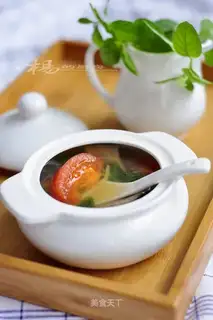 Tomato liver soup