The weather gradually turns from cold to frigid, and office workers often feel their hands and feet are icy cold all day long, shivering and suffering. Recently, cold air has been visiting frequently, and the temperature will continue to drop. In such weather, not eating some food to warm the body and soul is a disservice to yourself!
Braised Beef
Beef
Beef is considered a relatively healthy type of red meat, high in protein and low in fat. Eating more can help supplement iron. Its amino acid composition is closer to the body's needs than that of pork, which can improve the body's disease resistance. It is very suitable for people in recovery after surgery or illness, as well as for growth and development, in terms of replenishing blood loss and repairing tissues. Additionally, it has the effect of dispelling cold and warming the stomach.
Ginger
Ginger can dilate blood vessels, accelerate blood circulation, and open the pores of the body. This not only helps to dissipate excess heat but also expels pathogens and cold from the body. When you have consumed cold food, been caught in the rain, or stayed in an air-conditioned room for a long time, eating ginger can promptly eliminate various discomforts caused by excessive cold in the body.
Dang Gui (Angelica Sinensis)
According to Traditional Chinese Medicine, cold hands and feet are caused by insufficient yang energy in winter, which prevents blood from reaching the extremities. Dang Gui can nourish blood and invigorate blood circulation, regulate menstrination and relieve pain, and moisten the intestines to promote bowel movements. After winter arrives and the weather turns cold, eating some Dang Gui and mutton soup can replenish qi and tonify the body.
Walnuts
A snack very popular among office workers, containing 40% to 50% fat, most of which is unsaturated fatty acid. It has the effect of lowering cholesterol and preventing arteriosclerosis and high blood pressure. Walnut kernels are also rich in phospholipids and vitamin E, which can enhance cell activity, promote hematopoietic function, and increase appetite. These are all very beneficial for improving health and resisting the cold.
Chinese Yam
Can be eaten as a staple food, it contains high-quality protein and starch. These two nutrients can be quickly broken down into heat in the body, thereby increasing the body's energy and playing a role in resisting the cold. It is especially suitable for the elderly and children with weak constitutions and poor resistance to keep warm.
Mutton
It can both ward off cold and nourish the body. It has therapeutic and tonic effects for various deficiency syndromes such as common wind-cold cough, chronic bronchitis, deficiency-cold asthma, kidney deficiency and impotence, abdominal cold pain, physical weakness and fear of cold, soreness in the lower back and knees, sallow complexion and emaciation, deficiency of both qi and blood, and physical weakness after illness or childbirth. It is most suitable for consumption in winter.
Carrot
Rich in sucrose, glucose, starch, carotene, and potassium, calcium, phosphorus, etc. After digestion, the vitamin A produced has the effect of preventing night blindness and respiratory diseases, and can be eaten more in winter. The nutritional value of carrots is very high. Most of its nutrients are nitrogen-free extractives, and it contains cane sugar and fructose, so it has a sweet taste. Its protein content is also higher than other root vegetables.
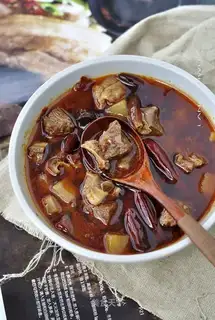 Red beef