Eggplant not only tastes good and is nutritious, but it can also lower cholesterol, making it an excellent food therapy for cardiovascular patients. It is particularly beneficial for patients with arteriosclerosis, hypertension, coronary heart disease, and scurvy, and has an auxiliary therapeutic effect.
Regular consumption of eggplant can prevent cerebral hemorrhage caused by hypertension and retinal hemorrhage caused by diabetes.
The saponins in eggplant have a very significant effect in lowering cholesterol. Brazilian scientists discovered in experiments that after eating eggplant, the cholesterol level in the human body can decrease by 10%. When American nutritionists introduce vegetables that lower cholesterol, they always rank eggplant at the top.
Food as Medicine: The Story of Eggplant--In Traditional Chinese Medicine, eggplant is considered to have a cool nature with a slightly bitter taste. It is believed to have effects such as dispelling blood stasis, reducing swelling and relieving pain, treating chills and fevers, expelling wind and unblocking the meridians, and stopping bleeding. Many folk remedies have been passed down through the generations.
Yu-Shiang Eggplant Casserole
In addition, eggplant is rich in Vitamin P, with purple eggplant being particularly high in content. Vitamin P can enhance the adhesion between human cells, protect microvessels, improve their resistance to disease, maintain the normal permeability of cells and capillary walls, and increase the toughness and elasticity of microvessels.
Eggplant can also provide a large amount of potassium. Potassium has important physiological functions in the human body, helping to maintain the osmotic pressure inside cells, participate in the energy metabolism process, and maintain the normal excitability of nerves and muscles. A lack of potassium can easily lead to ruptured cerebral blood vessels. Furthermore, potassium also helps to balance blood pressure and prevent and treat hypertension.
Furthermore, some components in eggplant can prevent oxidative damage, thereby avoiding the resulting cardiovascular diseases.
When eating eggplant, there are a few points to note:
First, it is best not to peel the skin, as the skin of the eggplant contains a large amount of nutrients and beneficial compounds.
Second, eggplant absorbs a lot of oil easily during the process of braising or stir-frying, leading to excessive oil intake. There are two small tricks to avoid the eggplant "absorbing" too much oil. One is to steam the eggplant in a steamer before braising it. The other is to stir-fry the eggplant without oil first over low heat until the water is cooked out and the flesh becomes soft, and then add oil to cook it.
Kind Reminder:
Although eggplant is nutritious and can prevent disease and promote health, it has a cool and slippery nature. People with a weak spleen and stomach, or who are prone to diarrhea, should not eat too much of it. Additionally, some studies suggest that patients undergoing surgery should avoid eating eggplant for a week before the procedure, as one of its substances can delay post-operative awakening time and affect recovery.
Garlic Mashed Eggplant
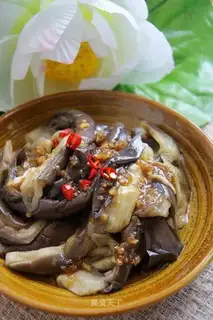 Garlic eggplant
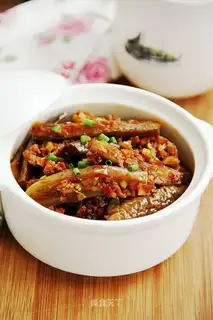 Fish and cheese