As people's living standards improve, their concepts of life are gradually changing, and the balance of nutrition is receiving increasing attention. Coarse grains, which once faded from people's sight, have slowly returned to their view.
Pearl Balls and Red Bean Soup
Coarse grains can prevent diseases, but they are relatively coarse and not easy to digest, so they are not suitable for everyone.
The refinement and sophistication of modern life have become the cause of many nutritional diseases. Diabetes, gout, high blood pressure, colon tumors, obesity, etc. are gradually threatening human health.
"Coarse grains" are grains that are relatively formally and finely processed, mainly including corn, millet, purple rice, sorghum, oats, buckwheat, wheat bran in cereals, and various kinds of dry beans such as soybeans, green beans, red beans, mung beans, etc. It is undeniable that advocating for people to eat coarse grains in moderation can prevent diseases.
Because dietary fiber can inhibit the absorption of cholesterol, reduce hyperlipidemia, promote intestinal peristalsis, and prevent constipation; while B vitamins, especially vitamin B1, can prevent beriberi. At the same time, many coarse grains also have medicinal value. For example, buckwheat contains "chlorophyll" and "rutin" that other grains do not have, which can treat high blood pressure.
However, excessive intake of coarse grains can also be detrimental to human health. Firstly, coarse grains themselves are not high in nutritional value and are not easy to digest, with a low absorption rate. Secondly, the dietary fiber rich in coarse grains can affect the human body's absorption of nutrients such as calcium and iron. Although coarse grains are good, they are not suitable for all groups, and some people with special constitutions should not eat them often.
1. People with poor gastrointestinal function
For people with weak gastrointestinal function, eating too much dietary fiber is a great burden on the stomach and intestines.
2. People deficient in elements such as calcium and iron
Because coarse grains contain phytic acid and dietary fiber, they will form precipitates to hinder the body's absorption of minerals.
3. People with digestive system diseases
If suffering from liver cirrhosis with esophageal varices or gastric ulcers, eating a large amount of coarse grains can easily cause variceal rupture and bleeding, and ulcer bleeding.
4. People with low immunity
If the daily intake of cellulose exceeds 50 grams for a long time, it will hinder the body's protein supplementation, reduce the utilization rate of fat, and cause damage to the functions of organs such as bones, heart, and blood, thereby reducing the body's immunity.
5. People who engage in heavy physical activities
Coarse grains are low in nutritional value and provide less energy, which is insufficient for people engaged in heavy manual labor.
6. Adolescents in the growth and development period
Due to the special needs for nutrients and energy during growth and development and the physiological requirements for hormone levels, coarse grains not only hinder the absorption of cholesterol and its conversion into hormones, but also interfere with the absorption and utilization of nutrients.
7. The elderly and children
Because the digestive function of the elderly is reduced, and the digestive function of children is not yet perfect, digesting a large amount of dietary fiber is a great burden on the stomach and intestines. Moreover, the absorption and utilization of nutrients are relatively low, which is not conducive to the growth and development of children.
Nutritionists point out that it is necessary to eat coarse grains, but you must pay attention to a combination of coarse and fine grains, and at the same time, match them with nutrient-rich foods. For example, cook coarse grains into porridge or mix them with fine grains, and match with protein and mineral-rich foods to help absorption. At the same time, people who are not suitable to eat a lot of coarse grains should try to reduce their intake to avoid malnutrition.
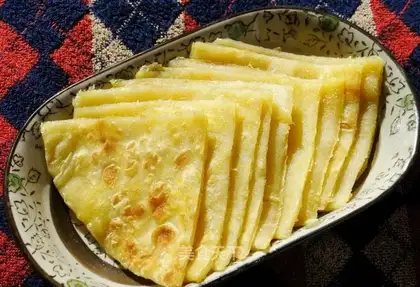 Hot noodles