As the saying goes, "Nourish yourself during the coldest days, and you'll stay healthy all year round." But does winter nourishment have to involve expensive supplements? Not necessarily. It's important to know that every food has its unique properties. For instance, among common white foods like tremella, radish, and tofu, many have properties we may not be aware of. Once you understand these properties, you can choose the right food for your needs, and the most ordinary ingredients can become the best tonics.
Tremella, Lily, and Lotus Seed Soup
Tremella
Tremella is known as the "king of all fungi." It is not only a nutritious delicacy but also a remedy that supports the body's vital energy. Tremella can nourish yin and moisten the lungs. However, its sticky nature can make it harder for the body to expel phlegm. If you have a dry cough without phlegm, tremella is very effective. But if you have a productive cough with phlegm, it is not suitable. Furthermore, cooking tremella with banana lily into a soup helps to nourish yin, moisten the lungs, enhance beauty, promote fluid production, and relieve constipation.
Radish
There are folk sayings that "October radishes are worth ginseng" and "Eat radish in winter and ginger in summer, and you won't need a doctor's prescription." Radishes are particularly rich in vitamins A and C. Eating them raw has the effects of clearing heat, promoting fluid production, cooling the blood to stop bleeding, and invigorating qi. When cooked, they can benefit the spleen and stomach, aid digestion, and promote the downward flow of qi. When paired with soybeans and beef, radishes can replenish qi and blood, and strengthen bones and muscles, making them especially suitable for women going through menopause.
Tofu
Tofu is nutritious, affordable, and of high quality. Because it contains various essential minerals for the human body such as iron, calcium, phosphorus, and magnesium, as well as carbohydrates, vegetable oil, and abundant high-quality protein, it is often called "vegetable meat." Just two small pieces of tofu can meet the body's daily calcium requirement, making it particularly suitable for children and the elderly. However, tofu is high in purines, so patients with gout or purine metabolism disorders should consume it with caution.
Chinese Cabbage
"Among all vegetables, none is better than Chinese cabbage." Traditional Chinese medicine considers Chinese cabbage to be slightly cool in nature and sweet in taste, with the effects of nourishing the stomach, promoting fluid production, eliminating vexation and quenching thirst, and clearing heat and resolving toxins. It is also rich in vitamins E and C, and eating more of it can have excellent skin-care and beautifying effects. Furthermore, the fiber in Chinese cabbage not only helps to moisten the intestines and promote detoxification but also enhances the body's absorption of animal protein.
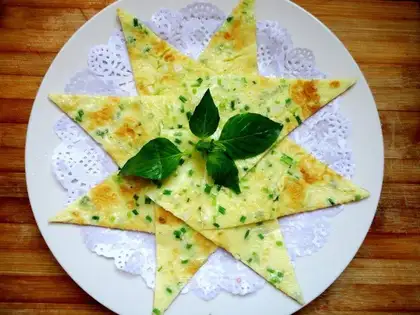 Onion egg pancakes