Winter is the best season for nourishing the body. Potent supplements like deer antler, donkey-hide gelatin, and cordyceps sinensis are undoubtedly very effective. However, they may not be suitable for vegetarians. So, how can this group of people nourish themselves in the winter? You can try the following 10 types of foods, which can also provide excellent health benefits.
Chestnut and Yam Porridge
Chestnut
Rich in sugar, starch, protein, fat, calcium, phosphorus, iron, and various vitamins. Chestnuts have high medicinal value. According to traditional Chinese medicine, chestnuts can nourish the stomach and spleen, strengthen the waist and kidneys, invigorate blood, and stop bleeding. Chestnut porridge and fried chestnuts are both good foods, especially chestnut porridge, which is suitable for all ages and particularly for the elderly with poor appetite due to functional degeneration.
Celery
Contains protein, carbohydrates, and more calcium, phosphorus, iron, vitamin A precursor, vitamin C, vitamin P, and niacin. Celery has effects such as strengthening the stomach, promoting urination, calming the nerves, lowering blood pressure, and purifying the blood and regulating menstruation. It is also an excellent vegetable for patients with iron-deficiency anemia.
Radish
Contains a high amount of water and vitamin C, as well as a certain amount of calcium, phosphorus, carbohydrates, and small amounts of protein, iron, and other vitamins. It also contains beneficial components such as lignin, choline, oxidase, glycosidase, catalase, amylase, and mustard oil. Traditional Chinese medicine highly praises its medical and health benefits.
Cabbage
Cabbage is rich in vitamin C, calcium, phosphorus, iron, and carotene, and also contains relatively abundant vitamin B. It has effects such as promoting bowel movements, relieving chest vexation, detoxifying and sobering up, and promoting urination.
Garlic
Contains protein, fat, sugar, vitamins B and C, as well as substances like calcium, phosphorus, and iron. Moderate consumption can kill viruses such as influenza, bacteria such as staphylococcus, typhoid, and dysentery, as well as pathogens such as cholera and diphtheria.
Scallion
The main components include protein, fat, sugars, vitamin A precursor, vitamins B and C, and minerals like calcium, magnesium, and iron. People who often eat scallions may be overweight, but their cholesterol is not excessively high, and they are in good physical condition.
Sweet Potato
Can supply the human body with a large amount of mucoprotein, sugar, vitamin A, and vitamin C. Therefore, it has the effects of tonifying deficiency, replenishing qi, strengthening the spleen and stomach, nourishing the kidneys, harmonizing the stomach, warming the stomach, and benefiting the lungs.
Taro
Has a fine and soft texture, is easy to digest, and is suitable for people with a weak spleen and stomach, intestinal diseases, tuberculosis, and those in the recovery period.
Lotus Root
Contains various nutrients such as starch, protein, and vitamin C. Raw, it can cool the blood and dissipate stasis; cooked, it can nourish the heart and benefit the stomach, and has the effect of nourishing yin and blood. Eaten with red dates, it can nourish the blood. Stewed with meat, it can treat weakness of the spleen and stomach.
Potato
The total vitamin content is twice that of carrots and four times that of tomatoes. In addition, potatoes also contain essential minerals for the human body, especially phosphorus, calcium, and iron, which are very abundant. Regular consumption can strengthen the body.
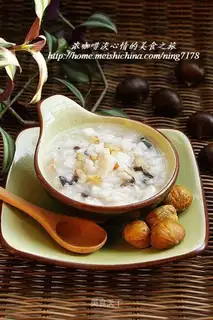 Chestnut and yam porridge