In winter, the dry weather and excessive heat in the diet can often lead to internal heat and dryness in the body. Therefore, for general winter wellness, it is often recommended to consume ingredients that clear heat and moisten the body. Lotus root is a food that is particularly favored during the dry autumn and winter seasons.
Pork Rib and Lotus Root Soup
Eating lotus root in winter stimulates the appetite, clears heat, nourishes, and cultivates well-being.
Lotus root is slightly sweet and crisp, and can be eaten raw or cooked. It also has significant medicinal value. Every part of it, from roots and leaves to flowers, stamens, and fruits, is a treasure that can be used for nourishment and medicine. Therefore, lotus root has long been considered an excellent food for therapeutic purposes. During the Xianfeng era of the Qing Dynasty, lotus root starch was even designated as a tribute item. Traditional Chinese medicine believes that lotus root is astringent in taste, neutral in nature, and non-toxic. It can dispel stasis and promote tissue regeneration, stimulate the appetite and stop diarrhea, clear heat and detoxify, aid digestion, and alleviate alcohol effects.
From the perspective of Western nutrition, lotus root contains starch, protein, asparagine, vitamin C, and oxidase components. It is also high in sugar and rich in trace elements like iron and calcium. It is also abundant in plant protein, vitamins, and starch, and has a significant effect in nourishing qi and blood, and enhancing the body's immunity. It is very beneficial for people with weakness-related conditions such as liver disease, constipation, and diabetes, and is also extremely suitable for postpartum women.
It is not advisable to eat lotus root raw in winter.
The lotus root in winter is known as "old lotus root." Its raw taste is relatively unappealing, and as the weather gets colder, it is not suitable for eating raw. Therefore, stewing or simmering in soup is a more suitable method.
How to select and store lotus root?
Choose lotus roots with short nodes and thick stalks. Look for those with a yellowish-brown outer skin, thick, and white flesh. If it is black or has a strange odor, it should not be eaten. An uncut lotus root can be stored at room temperature for about a week. However, since lotus root easily turns black and the cut parts are prone to rot, a cut lotus root should be covered with plastic wrap at the cut surface and can be refrigerated for preservation for about a week.
Recommended Lotus Root Recipe: Lotus Root and Pork Rib Soup
Peel and wash the lotus root, then slice it. Wash the pork ribs, blanch them in boiling water to remove scum, then rinse them clean. Place the pork ribs and lotus root in a pot, add enough water to cover them. Bring to a boil over high heat, add ginger and cooking wine, then reduce to low heat and simmer for about 2 hours. Add a suitable amount of salt, sprinkle with chopped green onions, and it is ready to serve.
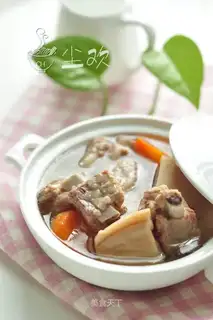 The raisin soup