Many ingredients of the same kind have both "black" and "white" versions, such as black beans and soybeans, black sesame seeds and white sesame seeds. Recently, the Japanese website "News-Postseven" reported that after Japanese nutritionists analyzed and compared the nutrition and effects of some paired "black" and "white" ingredients, they concluded that among foods of the same kind, the black versions are generally superior to the white ones.
Black Beans > Soybeans
Soybeans are rich in nutrients such as isoflavones, saponins, and lecithin. They can inhibit fat production, reduce "bad cholesterol," and increase "good cholesterol," thereby improving blood circulation. Black beans not only contain the nutrients found in soybeans; their black skin is rich in anthocyanins, which have strong antioxidant properties and can prevent aging. It is recommended to eat 10-20 black beans daily.
Black Sesame Seeds > White Sesame Seeds
White sesame seeds are nutritious, especially for their vitamin E content, which invigorates blood, improves anemia, and alleviates chills. White sesame seeds also contain the antioxidant substances sesamin and sesamol, with sesamin helping to treat alcohol poisoning. However, compared to white sesame seeds, black sesame seeds also contain sesamin and sesamol, and in addition, their black skin contains anthocyanins. The three antioxidants work together, doubling their "power." When black sesame seeds are pan-roasted, they are more easily absorbed by the body, and their effects are enhanced.
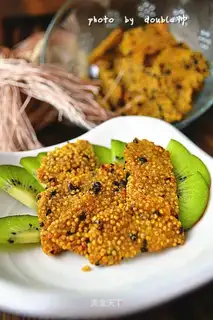
Millet Crisps
Black (Brown) Sugar > White Sugar
White sugar is 99% composed of "sugar" that can be quickly converted into energy, effectively eliminating fatigue and strengthening the body. However, the white sugar we consume is almost always refined, leaving little of its original minerals and vitamins. Brown sugar is different; it contains minerals such as calcium, potassium, and magnesium, as well as B vitamins. Traditional Chinese medicine holds that brown sugar can strengthen the stomach, nourish the liver, invigorate blood, and resolve stasis.
Black (Rice) Vinegar > White Vinegar
Vinegar is rich in organic acids like acetic acid, as well as vitamins and minerals. It not only stimulates the appetite but also helps break down lactic acid and relieve fatigue. Vinegar also has antibacterial properties and can help prevent chronic diseases like high blood pressure. However, it is considered a "cold-natured" food that can cool the body. Compared to white vinegar, rice vinegar, which is brewed over a long period, has a higher content of essential amino acids for the human body. Consuming rice vinegar can help suppress blood sugar spikes, prevent diabetes and arteriosclerosis caused by high blood sugar, and inhibit fat accumulation in the body. Rice vinegar also helps prevent a decrease in bone density.
Experts say that regularly eating "black foods" can not only warm the body and nourish the kidneys but also help prevent various chronic diseases such as high blood pressure and obesity.
 The rice pot