Eggs are a staple ingredient in every household, being both affordable and highly nutritious. Scrambled eggs are a basic dish that almost anyone can make. Do you know how to make scrambled eggs more delicious and nutritious? Today, I'm going to tell you which two ingredients to add to make scrambled eggs even better. Come and learn a couple of tricks.
Scrambled Eggs with Scallions
The Nutritional Value of Scrambled Eggs
Eggs are rich in protein, fat, vitamins, and minerals that the body needs, such as iron, calcium, and potassium. The protein is high-quality and helps repair liver tissue damage.
They are rich in DHA, lecithin, and lutein, which are beneficial for the nervous system and physical development, helping to brain development, improve memory, and promote liver cell regeneration.
Eggs contain relatively high amounts of vitamin B and other trace elements that can help break down and oxidize carcinogens in the body, giving them a cancer-preventive effect.
Scallions are a warming and health-promoting condiment. As a seasoning, the main function of scallions is to remove the greasy, heavy flavors of meat and fishy, gamey odors from dishes, and to create a special aroma. They also have a strong bactericidal effect. The medical community believes that scallions can lower cholesterol and prevent respiratory and intestinal infectious diseases. Regular consumption of scallions can also have a certain brain-boosting effect. Scallion extract has a good therapeutic effect on arteriosclerosis and can enhance fibrinolytic activity and lower blood lipids.
Two Secret Ingredients for Scrambled Eggs
The first secret ingredient is cooking wine. Adding cooking wine when scrambling eggs not only allows you to use less oil but also makes the eggs more tender and flavorful. When you add a little cooking wine to the beaten eggs, the small amount of alcohol in it will greatly speed up the coagulation of the egg proteins when heated. This makes the eggs set more easily and break less easily. Furthermore, the proteins solidify before they have a chance to become tough, resulting in softer scrambled eggs. At the same time, cooking wine is also excellent for removing fishiness, reducing greasiness, and enhancing freshness. Generally, for 5 eggs, about 5 grams of cooking wine is sufficient. It's important not to add too much cooking wine and never substitute it with baijiu (Chinese white liquor).
The other secret ingredient is water. When beating the eggs, add some water and mix them together. Then, stir-fry them over low heat in a pan. The eggs will have a particularly tender texture and are less likely to stick to the pan. For 5 eggs, adding about 50 grams of water is suitable, with a maximum of 100 grams. Adding too much water can cause oil to splatter when added to the hot pan. Also, be sure to mix the water and eggs thoroughly.
Techniques for Scrambling Eggs
After cracking the eggs into a bowl, heat an appropriate amount of oil in a pan over medium heat. While the oil is heating, beat the eggs. If the eggs are not beaten by the time the oil is ready, you can pause the heating, finish beating the eggs, and then turn the heat back on.
The amount of oil should be just right to avoid the dish being too dry or too greasy. You'll need to experiment to find the perfect amount. Once the pan is hot, swirl a small ladle of oil around to coat the inner surface of the pan.
Once the oil is hot, use chopsticks to pour the egg mixture from the bowl directly into the pan. Rotate the chopsticks at a steady pace, guiding the eggs through the warm oil as if a yellow dragon emerging from the water, rolling forward. At the same time, sprinkle in a little chopped scallion, which will be quickly incorporated by the swirling eggs.
Continue to flick your wrist, continuously pushing the partially cooked eggs from the pan onto a nearby plate. When the eggs reach the plate, they will form a circle. The residual heat will gradually cause them to set. In an instant, a rich aroma fills the air as the golden, translucent scrambled eggs, still steaming and trembling gently.
Other Ways to Cook Eggs
Boiled Eggs: Place eggs in cold water, bring to a boil slowly over low heat, then simmer for 3 minutes after boiling. Turn off the heat and let them soak for another 5 minutes. This method results in tender egg whites and firm, not overcooked, yolks. The protein is denatured optimally and is easiest to digest. Boiling eggs for more than 10 minutes not only makes them tough and causes significant vitamin loss but also makes the protein harder to digest.
Poached Eggs: Add the egg to boiling water, then reduce the heat to simmer until cooked. For savory poached eggs, you can add tomatoes, green vegetables, etc. For sweet versions, you can add fermented glutinous rice, red dates, goji berries, and other ingredients.
Egg Custard: Do not add oil or salt while beating the eggs, as this can damage the egg's gelatin, resulting in a coarse and hard custard. Also, do not beat vigorously; just stir a few times to ensure evenness before steaming. Additionally, adding a little milk when steaming the custard will make its texture smoother and increase its nutritional value.
Fried Eggs: It's best to use low heat and a small amount of oil. Some people like to fry the egg whites until crispy, but this not only loses nutrients but may also produce carcinogens. It's best to fry only one side until the egg white is set.
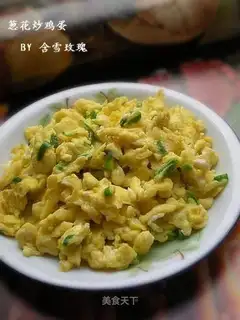 Scrambled eggs with chopped green onion