Cold uterus (Gong Han) refers to a deficiency of kidney yang in women, where cold invades the body, causing poor circulation of qi and blood. This leads to symptoms such as lower abdominal bloating and pain, increased vaginal discharge, dysmenorrhea, and irregular menstruation. The most effective way to manage a cold uterus is to expel the cold through warming and nourishing dietary therapy, restoring the normal flow of qi and blood.
Symptoms of a Cold Uterus
1. Obesity
Many women have fat accumulation on their hips and thighs. Besides common reasons like poor diet and lack of exercise, a cold uterus should also be considered. When the uterus is cold and lacks warmth, it relies on surrounding fat for "heat." The colder the uterus, the more heat it requires, leading to more body fat.
2. Menstrual Irregularities
A cold uterus directly affects a woman's menstrual cycle. Common symptoms include: lower abdominal pain, bloating, and a sensation of cold; scanty menstrual flow, dark or light-colored blood with clots; breast tenderness; vomiting; and stomach discomfort.
3. Lower Abdominal Discomfort
Besides during menstruation, women with a cold uterus may also experience intermittent lower abdominal pain and a feeling of coldness in their daily lives.
4. Poor Physical Condition
A dull, sallow complexion, lack of energy, cold hands and feet, frequent urination, abnormal vaginal discharge, decreased libido, and a persistent lack of taste in the mouth.
Hazards of a Cold Uterus
1. Hands and feet are often cold.
2. Irregular menstruation and severe dysmenorrhea.
3. Can lead to infertility in severe cases, and an increased risk of miscarriage if pregnancy occurs.
4. Weight gain, poor complexion, easy development of dark spots and dark circles under the eyes.
5. Frequent urination at night and decreased libido.
3 Nourishing Porridges to Prevent a Cold Uterus
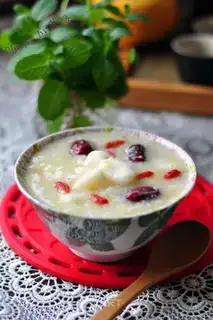
Jujube and Chinese Yam Porridge
1. Red Date and Chinese Yam Porridge
This porridge can nourish qi and blood, strengthen the spleen and stomach, and has anti-aging properties. It is suitable for those with a weak spleen causing loose stools, qi and blood deficiency, malnutrition, post-illness weakness, and emaciation.
Method: Chop the Chinese yam; soak the dried red dates, remove the pits, and wash them; soak the glutinous rice for 20 minutes. Cook the glutinous rice over high heat until it boils, then simmer on low heat for fifteen minutes. When the porridge is eight-cooked, add the red dates, then add the Chinese yam powder. Stir well and continue to cook for another 15 minutes.
2. Red Date, Pumpkin, and Millet Porridge
Method: Wash the millet and soak for 1 hour, then drain. Wash the red dates and remove the pits. Peel, deseed, and cube the pumpkin. Place the millet and red dates in a pot, add an appropriate amount of water, bring to a boil over high heat, then reduce to low heat and cook for 15 minutes. Add the pumpkin and cook for another 15 minutes. Finally, rock sugar is added, and the mixture is simmered for a moment until the sugar dissolves.
3. Rose, Ginger, and Red Date Tea
Drinking ginger and red date tea during menstruation can warm the uterus and reduce menstrual cramps. This tea has the effects of warming the middle jiao to dispel cold, stopping vomiting, restoring yang to unblock the pulse, replenishing qi and blood, drying dampness, and reducing inflammation. After consumption, it can promote vasodilation, creating a warm sensation throughout the body, and has a cardiotonic effect. It can aid digestion, increase intestinal motility, protect the gastric mucosa, and significantly inhibit gastric ulcers.
Method: Wash the dried red dates, remove the pits, and snip them a few times with scissors. Wash the ginger and slice it or shred it. Prepare two tablespoons of rose jam, or dried rose petals with rock sugar or honey. Place all ingredients in a teapot or cup, pour in boiling hot water, and steep for a moment before drinking. It can be re-infused and consumed throughout the day.
 The porridge of the mountain