Love for snacks is not considered a good habit by many. However, nutritionists believe that some snacks are very healthy, such as nuts. Not only are they rich in nutrients like protein, Vitamin E, copper, and magnesium, but different types of nuts also contain varying nutrients. Each nut can be said to have its own unique therapeutic effects. Li Li, a nutritionist from the Department of Nutrition at the 254th Hospital of the PLA, explains that as long as you eat them correctly, nut snacks not only nourish the body but also help prevent and treat some common winter illnesses.
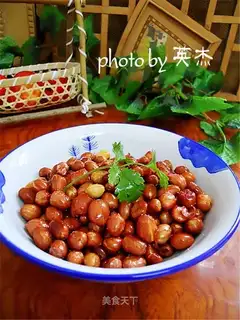
Prevent angular cheilitis by eating peanuts
Lip chapping, "cracked corners of the mouth," anemia, aversion to cold, heart disease... the list of winter ailments is long. When it comes to prevention, people's first thoughts are to drink more water, supplement nutrition, and take preventive medicine. In fact, persisting in eating some peanuts can help.
Peanuts are a globally recognized plant-based, highly nutritious food, known as the "longevity fruit," "plant meat," and "green milk" because of their rich nutritional content. The calcium content of peanuts is more than ten times that of meat, and its iron content is 25% higher than that of milk. They are also rich in protein and fat, of which 80% are unsaturated fatty acids, which can prevent heart disease. The peanut skin is rich in thrombopoietin, which has a blood-clotting and hemostatic effect. Therefore, when eating peanuts, it's best not to discard the thin red skin (the peanut skin) around the kernels for the sake of taste. In addition, peanuts contain a large amount of oil and vitamins, which help prevent and treat common winter problems like dry, chapped lips and angular cheilitis.
Salty Crispy Peanuts
Almonds can relieve coughs and reduce phlegm
What troubles people most in winter is coughing. Regardless of gender or age, many people start coughing as soon as winter arrives. Almonds can relieve coughs and reduce phlegm. Li Li explains that according to traditional Chinese medicine theory, almonds have the effect of moistening the lungs and relieving dryness. Especially during the cold and dry winter, eating a few almonds daily can help prevent or treat coughs, excessive phlegm, and asthma caused by colds. In addition, almonds are also rich in unsaturated fatty acids, vitamins, and minerals like calcium and iron, which are very helpful for enhancing the body's resistance.
Pistachios are a good choice for those with high blood pressure
For people with high blood pressure, winter is the least favorite season because blood pressure is most likely to "go out of control" during this time. In fact, eating some pistachios in winter can help stabilize blood pressure.
Pistachios contain a relatively high amount of potassium. Once in the body, potassium can counteract the blood pressure-raising and blood vessel-damaging effects of sodium, so moderate intake of potassium is very beneficial for controlling blood pressure. The fat components in pistachios are unsaturated fatty acids such as oleic acid and linoleic acid, which can soften blood vessels. The Vitamin E they contain can fight aging and enhance physical fitness.
In addition to the benefits mentioned above, traditional Chinese medicine believes that pistachios are sweet, non-toxic, warm the kidneys and spleen, nourish deficiency, regulate the middle jiao and smooth qi. It is also very beneficial for people with poor sleep or malnutrition to eat a moderate amount.
Happy Sugar Donuts
Walnuts can nourish the brain and darken hair
In winter, the dry air causes many people to feel their hair becoming dry and yellow, and some even experience hair loss. At this time, you might as well eat more walnuts, which can nourish the brain and darken hair, offering considerable benefits.
Walnuts have nourishing and health-enhancing effects for people of all ages: eating more during pregnancy is beneficial for fetal bone development; regular consumption for children is good for growth and development, enhancing memory, and protecting vision; regular consumption for young people can make the body healthy and the skin smooth; regular consumption for middle-aged and elderly people can protect the heart and lungs, and improve intelligence and longevity.
Regularly eating walnuts in winter not only nourishes the blood, increases appetite, and darkens hair but can also treat ailments such as decreased sexual function, neurasthenia, and memory loss.
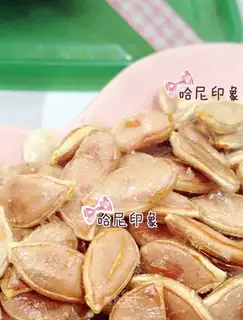
Men should choose pumpkin seeds
Most snack lovers are women, but Li Li introduces that men can also benefit greatly from eating some pumpkin seeds for health care. Pumpkin seeds are rich in nutrients such as amino acids, unsaturated fatty acids, vitamins, and carotene. Regular consumption of pumpkin seeds can not only prevent the formation of kidney stones but also help patients expel them. More importantly, the active ingredients and rich zinc in pumpkin seeds are very beneficial for the prostate. In the cold winter, prostate diseases often trouble men. If you insist on eating a handful of pumpkin seeds daily, it is very helpful for preventing and treating prostate diseases. By reporter Zhang Zhao
Roasted Pumpkin Seeds
[Expert Reminder]
Although nuts are good, because of their high oil content, they should be consumed in moderation each day, and not excessively. The "Chinese Dietary Guidelines for Residents" recommends that the daily intake of nuts per person should not exceed 50 grams (one liang).
 Pumpkin
 ♪ Happy sugar ♪
 Sour peanut rice